


“Outbreak of a Dangerous Disease”: Plague Infection Detected on the Russia-Mongolia Border
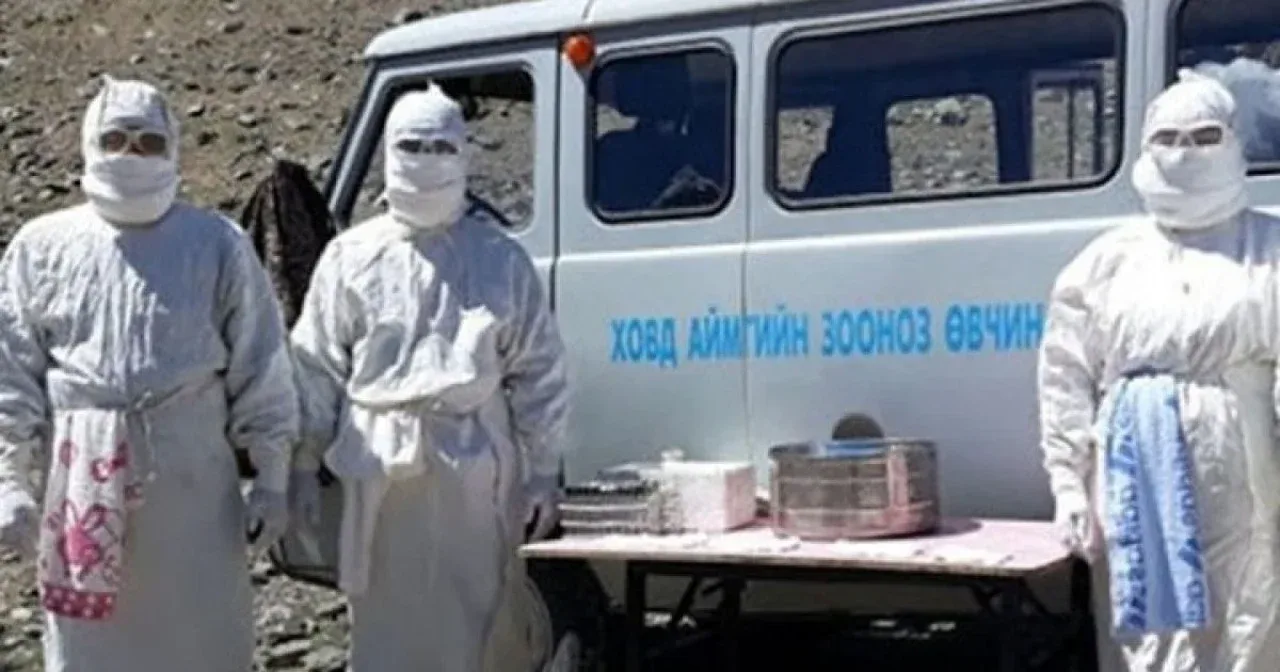
In 2026, high epizootic activity was recorded in a vast natural plague focus located on the state border between the Russian Federation and Mongolia. Joint laboratory analyses conducted by scientists from both countries confirmed that the pathogen of this highly dangerous infection is circulating among rodents in the border regions. In response to this situation, Rospotrebnadzor and Mongolian health officials have strengthened regular monitoring and emergency preventive measures.
Saylyugem Natural Focus: Laboratory Analysis and Key Facts
As a result of extensive epidemiological investigations, the following important information was revealed:
A 29,000 square kilometer danger zone: This concerns the Saylyugem transboundary natural plague focus located on the border between Russia and Mongolia. 60 percent of this area falls within Mongolia, while the remainder is on Russian territory.
Over 200 samples tested: Between August 14 and 31, experts from both countries collected and laboratory-tested samples in Mongolia's Sagaan-Uul sum and surrounding border areas. As a result, the plague pathogen culture was successfully isolated, confirming the activation of the focus.
Continuous monitoring until 2029: According to a bilateral agreement, joint continuous monitoring of the Saylyugem focus is planned until 2029 to ensure safety.
Main carriers and the level of threat to human health
Expertsnote that the main carriers of the disease in the wild are marmots (tarbagans) and other rodents, as well as the fleas living on them:
Low epidemic risk: Laboratory experts state that the plague strains identified in this area have a relatively low epidemic potential for rapid and severe spread among humans.
No risk of mass infection: At the current stage, the risk of mass infection among the population is assessed as very low. Nevertheless, contact with or hunting wild rodents is strictly dangerous.
Vaccination and mobile laboratories: Russia's anti-plague units are systematically vaccinating the population in border areas, while mobile laboratories are monitoring the situation around the clock.
Bilateral rapid cooperation serves as an important barrier in preventing potential biological threats.
Do you think the activation of natural infection foci in border regions could seriously affect regional sanitary security? What other modern measures should be taken to strengthen control in such dangerous areas? Leave your thoughts in the comments!



Comments 0
…