


Tension in Hormuz: Iran stops 19 ships in two days (video)
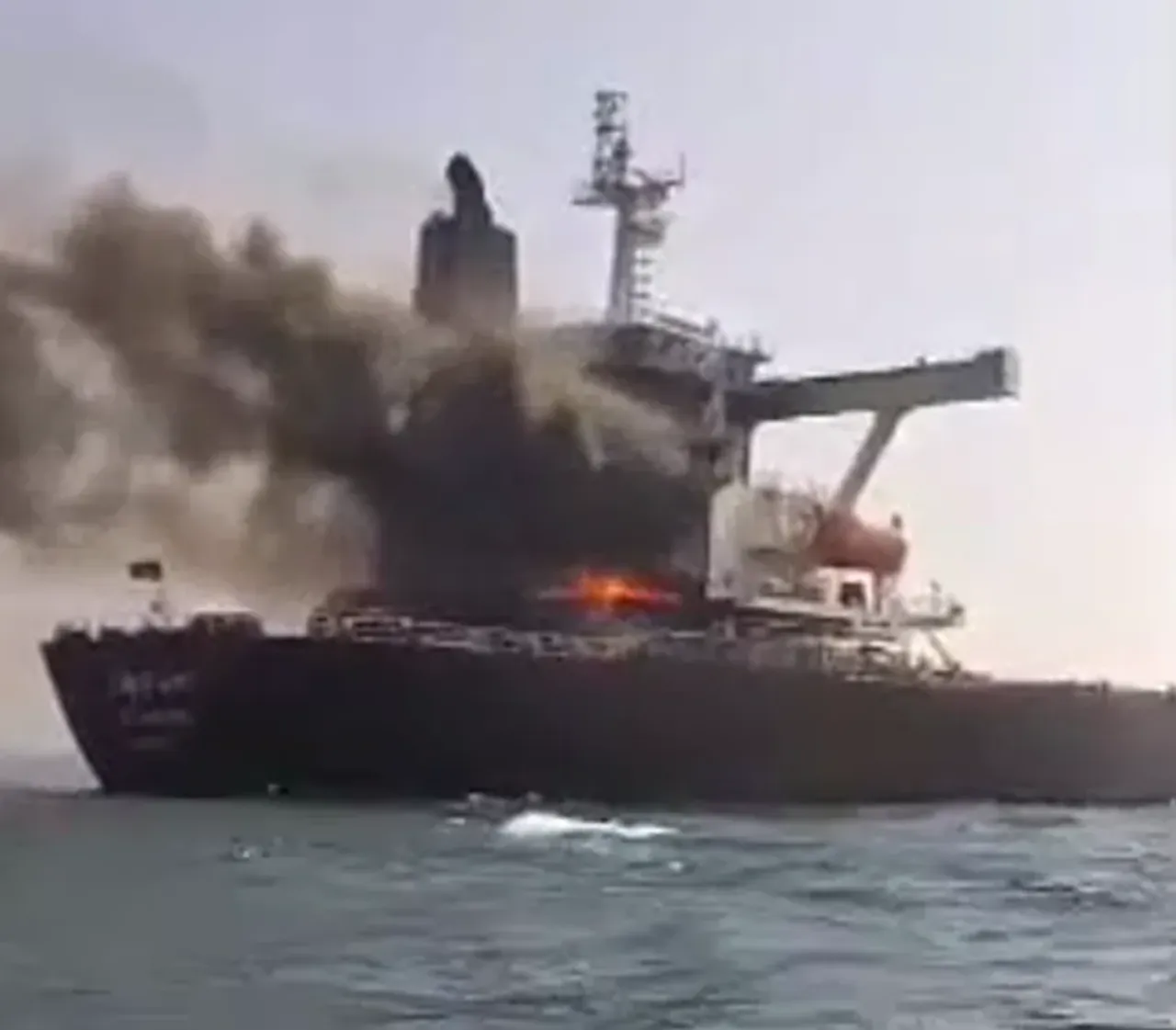
The geopolitical situation has sharply escalated once again in the Strait of Hormuz, considered the most important maritime artery of the Middle East region. According to an urgent report distributed by Iran's official "Fars" news agency, the Iranian Armed Forces seized and stopped as many as 19 vessels moving through the strait area over the past two days. Official Tehran stated that these ships deviated from the designated safe navigation routes (routes) in international waterways.
No further details have been disclosed yet regarding the flags under which the detained liners and tankers were sailing, the types of cargo they were carrying, or the subsequent fate of their crew members. At a time when attacks and burning incidents involving maritime transport are being observed in the region, this large-scale action by Iran has raised serious concerns regarding the global oil market and the security of international logistics.
"19 ships, unknown cargo, and strict control in the strait": 5 main points of the event
The most important official facts regarding the emergency in the Strait of Hormuz:
19 ships seized in two days: The movement of 19 ships at once in the strait was halted by the Iranian military forces;
Official reason — deviation from the route: The Iranian side cites the movement of ships outside the designated special maritime corridor as the main reason;
Information on ships and cargo is closed: The "Fars" agency did not provide information regarding the countries to which the ships belong, their crew members, and their destination;
Against the background of explosions and fires at sea: Damage to merchant ships and tankers in the area and their being engulfed in smoke indicate a high level of security risk;
Direct threat to the global oil route: Iran's strict control at a strategic point through which a fifth of global oil trade passes exerts pressure on global markets.
Classification of emergency indicators in the Strait of Hormuz
Comparison of the official parameters of the operation carried out by the Iranian military:
Analysis criteria and directions | Information in the official statement | Concerns noted by experts |
Area where the incident occurred | Strait of Hormuz (Exit to the Persian Gulf) | The right to international freedom of navigation is at risk |
Number of detained ships | 19 ships over the last 48 hours | One of the most massive detentions in the history of the strait |
Indicated official reason | Violation of the designated navigation route | Political pressure and the possibility of a naval blockade |
Status of cargo and ships | Undisclosed (kept secret) | They may be oil tankers or commercial cargo ships |
Subsequent legal fate | Official assessment and investigations are awaited | Reaction of the International Maritime Organization (IMO) and Western sanctions |
Geopolitics and global energy expertise: Why does every ship in the Strait of Hormuz worry the world?
Conclusions of international security analysts, military experts, and oil market specialists:
"The lifeline of the oil market": Approximately 20 percent of the world's seaborne crude oil passes through the Strait of Hormuz; Tehran's simultaneous stopping of 19 ships could increase global logistics insurance prices and trigger a sharp surge in the price of black gold on the global market;
Iran's projection of power: Amid growing geopolitical confrontation with the US and Western countries, Iran is demonstrating in practice that the Strait of Hormuz is completely under its control; the excuse of "violating the route" serves as a convenient legal tool for the military to inspect and detain any foreign vessel;
Risk of escalation and potential responses: The fact that the fate of the ships remains unknown may prompt the international coalition and maritime security forces to take countermeasures; such clashes pose the risk of elevating regional tension to the level of military conflict.
In your opinion, is Iran's simultaneous stopping of 19 ships in the Strait of Hormuz merely control over technical safety rules, or is it a serious geopolitical warning directed at Western countries? How do you think this situation will affect global oil prices and international trade routes? Leave your personal thoughts in the comments and share this urgent analysis regarding regional security with everyone!



Comments 0
…