


Beijing and Washington agree: US and China to cancel $60 billion in tariffs
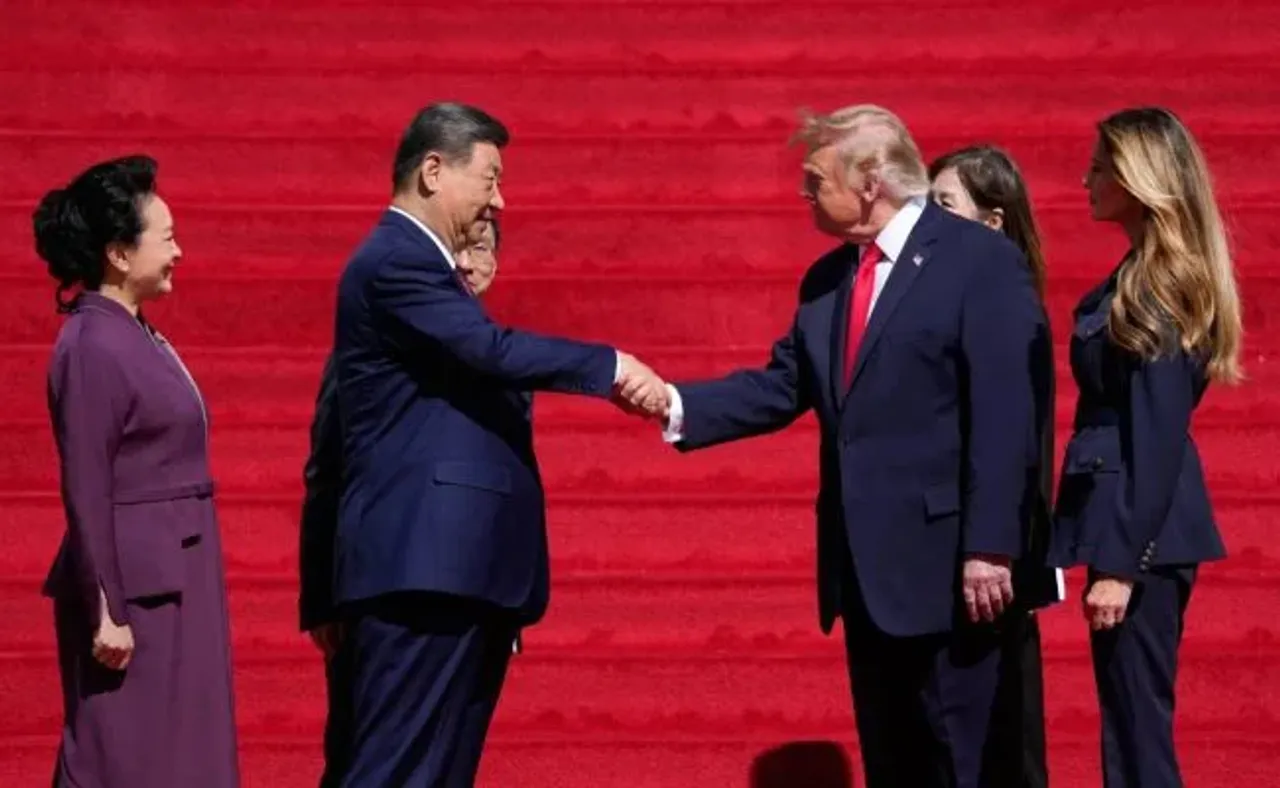
Xi Jinping shakes hands with Donald Trump in Washington, September 25, 2026 Photo: Bloomberg
The world's two largest economic giants, the US and China, have taken an important historical step towards easing tensions in the trade war. According to Reuters, the two countries have reached an official agreement to reduce mutual customs duties on goods with a total value of 60 billion dollars. US Trade Representative Jamieson Greer stated that each side has committed to easing restrictions on 30 billion dollars worth of products.
This important decision and the extension of the trade truce until January 10, 2027, were the main outcomes of the Washington summit between US President Donald Trump and Chinese leader Xi Jinping. Although the agreement's list includes a wide range of goods from American agricultural products, cosmetics, and medical supplies to Chinese household appliances, toys, and holiday equipment, strategically important liquefied natural gas (LNG) and oil were not included.
"$60 Billion Trade, Oil-Free Truce, and Trump-Xi Deal": 5 Key Points of the Negotiations
The most important official details regarding the trade agreement between Beijing and Washington:
$30 Billion Relief from Each Side: Both countries will significantly reduce mutual tariffs on a total of 60 billion dollars worth of products;
$17 Billion Market for US Agribusiness: China will reduce tariffs on imports of corn, wheat, meat, dairy, and oil products from America;
Chinese Household Products and Toys: Small appliances entering the US (toasters, coffee makers), baby car seats, tableware, and Christmas tree lights will be exempt from tariffs;
Oil and Gas Restrictions Maintained: Strategic energy resources—liquefied natural gas (LNG) and crude oil—were not included in the tariff-reduction list;
Truce Extended and Coal Agreement: The temporary trade truce was extended until January 10, 2027; additionally, China agreed to purchase 10 million tons of coal from the US in 2027–2028.
Classification of Mutual Preferences in the US-China Trade Truce
Table of product groups and terms where the parties are scheduled to reduce tariffs:
Agreement Criteria | Preferences Granted by the US | Preferences Granted by China |
Scope of Relief | $30 Billion Worth of Products | $30 Billion Worth of Products |
Main Product Groups | Household appliances (toasters, coffee makers), tableware, bed linen | Grains (corn, wheat, cornmeal), meat, dairy products, vegetable oil |
Consumer and Industrial Goods | Children's car seats, toys, fireworks, artificial flowers | Fish and seafood, timber and wood materials |
Special Sector Products | New Year decorations and garlands | American cosmetics and medical equipment |
Excluded Resources | High-tech and chip restrictions | Liquefied Natural Gas (LNG), oil, and soybeans |
Additional Obligations | Regular consultations on investments | Purchasing 10 million tons of US coal in 2027–2028 |
Economic and Geopolitical Expertise: Why Did Washington and Beijing Choose an Oil-Free Deal?
Conclusions of international trade analysts, economists, and political scientists:
"Consumer Basket Benefit and Inflationary Pressure": Price growth and citizens' purchasing power remain key social issues in both the US and China; lowering tariffs on daily household goods, affordable clothing, and staple foods is a pragmatic step aimed at easing inflationary pressures in the domestic markets of both countries;
Oil and Gas as a Geopolitical Control Tool: The exclusion of energy resources (oil and gas) from the tariff list indicates that Beijing and Washington do not want to become entirely dependent on each other in energy matters; the US prefers to retain its raw materials or direct them to other partners, while China continues its policy of diversifying energy sources;
"Time-out until January 10": The extension of the trade truce gives the parties time to curb global market instability; however, until competition in the tech sector and restrictions on microchips are resolved, it is too early to talk about complete stability in trade relations.
Do you think this new $60 billion trade agreement between the US and China can bring long-awaited relief to the global economy, or will conflicts over energy and technology trigger a new trade war? How do you think such agreements between the two major powers will affect the markets of Central Asia and Uzbekistan? Leave your personal thoughts in the comments and share this analysis of the turning point in global trade with your friends!



Comments 0
…