


«Inventories are frighteningly low»: Saudi Aramco chief warns of oil crisis
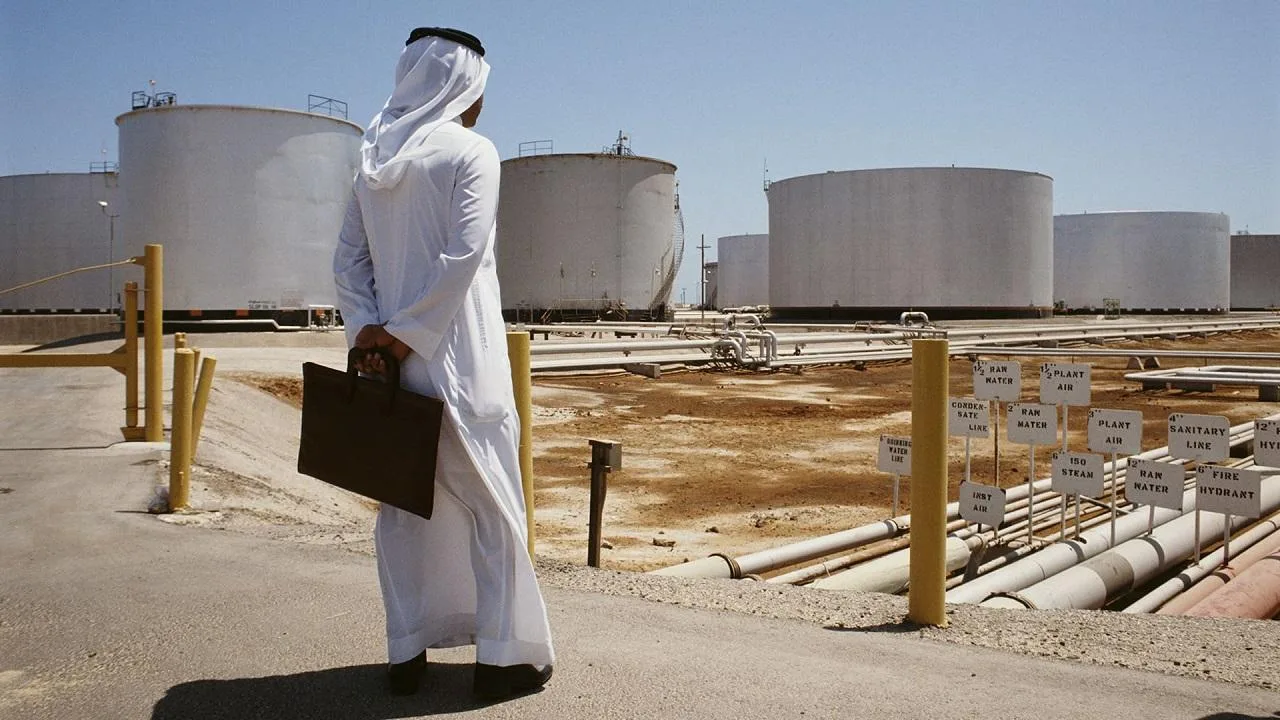
Although the volume of raw material supplies from Middle Eastern countries has returned to pre-war figures, there is no room for complacency in the world energy market. The head of Saudi Arabia's state oil giant — Saudi Aramco, Amin Nasser, stated that international reserves are «frighteningly low» and expressed deep concern that a new wave of danger is approaching global markets.
According to Bloomberg news agency, the sharp depletion of strategic buffers, which are supposed to cushion any supply disruptions, could further destabilize the situation amid incomplete restoration of shipping traffic in the Strait of Hormuz.
100 million barrels from the «G7»: How the White House persuaded allies
The Aramco chief's statement came in the wake of an emergency decision adopted by the Group of Seven (G7) countries. According to this agreement, countries agreed to release 100 million barrels of crude oil and diesel fuel from their strategic reserves to the market over four months:
Washington's demand: This agreement was achieved as a result of strong pressure exerted by the US President's administration on European allies. The White House even warned Europe against halting diesel exports, demanding that they sell strategic reserves and thereby lower record prices at US gas stations;
Depletion of US reserves: According to data provided by the US Department of Energy (EIA), as of September 25, the country's strategic petroleum reserves plummeted to 283 million barrels. Since February, these reserves have decreased by nearly 132 million barrels.
It will take two years to replenish reserves
Amin Nasser emphasized that artificially filling the market at the expense of reserves will only provide a temporary effect:
Long-term recovery: Even if regular supplies are restored, it will take countries at least two years to replenish the huge strategic reserves that have been sold off;
Market vulnerability: The reduction of reserves leaves the world market vulnerable to any geopolitical force majeure situations.
Exports have recovered, but why are prices not falling?
Although oil shipment figures from Middle Eastern countries exceeded pre-war levels last week, the main reason prices are not dropping is transport logistics:
Jump in freight and insurance costs: Due to military risks, tanker rental (freight) and maritime insurance prices have multiplied, «eating up» a large part of the total cost of raw materials;
Market observation: Against the backdrop of uncertainty, oil quotes remain high, while some countries (in particular, the Russian government) forecast that the price of Urals crude will not exceed $54 per barrel by the end of the year.
According to experts, once reserves are exhausted, if real production and transport corridors do not stabilize, the global fuel market may face even more severe price explosions.



Comments 0
…