


How a sunrise on Mars looks in natural colors shown for the first time
© NASA / JPL-Caltech
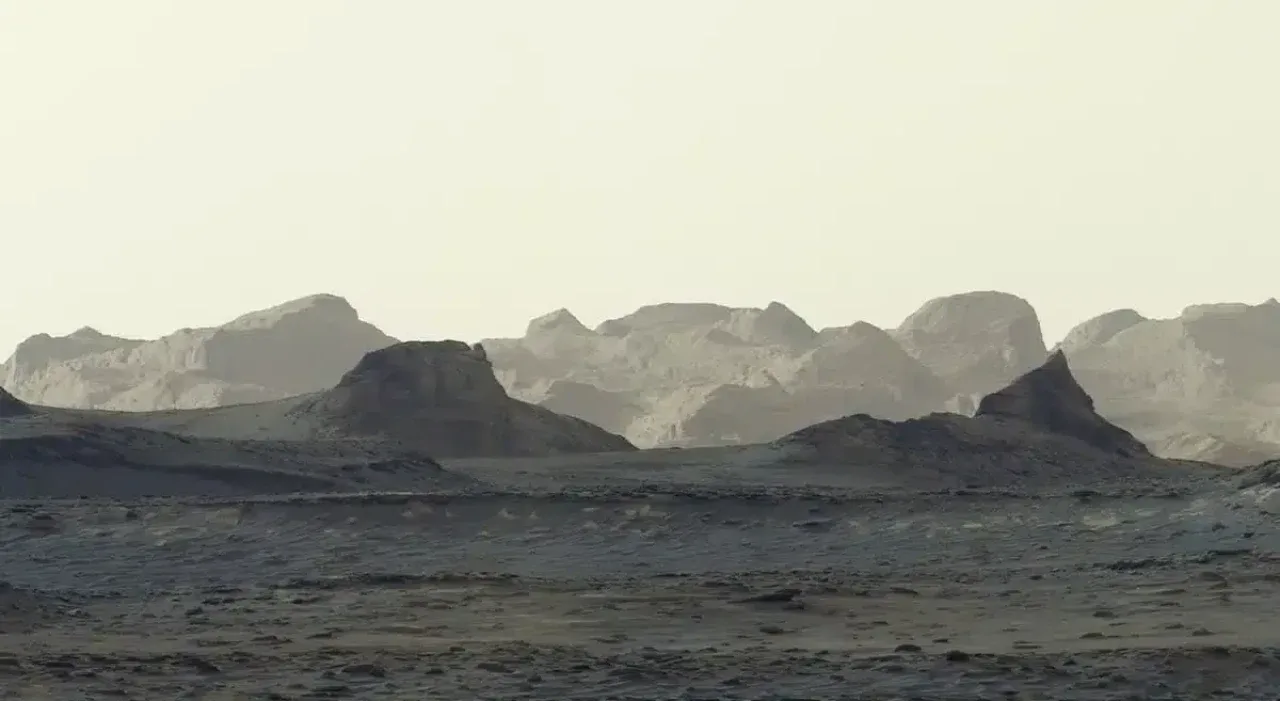
The U.S. National Aeronautics and Space Administration's (NASA) famous Curiosity rover has provided new unique scientific images from the Red Planet. The device managed to capture unusual rock formations polished by wind erosion over thousands of years—yardangs—under morning sunlight.
Typically, Mars images sent to Earth are adjusted for the human eye, with white balance corrections applied. However, this time, a panorama assembled from six frames was published completely unedited, without any color processing, allowing space enthusiasts to see the sunrise on the Red Planet with their own eyes.
Morning panorama and the 4982nd "sol": How was the image captured?
The latest visual result during the Curiosity mission has several distinct features:
Harmony of natural colors: While cooler bluish tones stand out in the foreground of the panorama, the yardang cliffs on the horizon are illuminated by bright morning rays;
Mastcam camera craftsmanship: The images were captured by the rover's main Mastcam camera on its 4982nd Martian day (a Martian solar day is called a "sol") and assembled into a complete panorama by specialists on Earth;
A mysterious 16-kilometer stretch: The photographed yardang layer stretches for nearly 16 kilometers along the northwestern part of the colossal 5-kilometer-high Mount Sharp.
Absolute record among rovers: 1-kilometer elevation gain
The Curiosity apparatus has achieved a historic milestone not only in capturing images but also in technical movement:
Historic altitude: The rover has been climbing the slopes of Mount Sharp since 2014, and recently its vertical climb reached exactly 1 kilometer (1000 meters);
Mars record: This achievement went down in history as the largest vertical ascent recorded among all rovers sent by humanity to the Red Planet.
Water streams from a billion years ago and plans for 2027
Each layer of Mount Sharp resembles "book pages" revealing the geological past of Mars:
Lakes and dried-up waters: By studying the layers, scientists have proven that freshwater lakes and river streams existed here billions of years ago. Over time, the water dried up, leaving behind thick salt minerals;
Wind architecture: Once the accumulation of new sediments stopped, the relentless strong Martian winds eroded the softer rocks, shaping the mysterious yardang appearance we see today;
Next destination: Currently in the second year of its fifth extended mission, Curiosity is moving through areas rich in sulfate and carbonate minerals. Scientists expect the rover to reach the base of the yardangs directly in 2027 and perform close-up analysis of rock compositions using its robotic arm.
Such research conducted on the surface of Mars serves as an invaluable foundation for humanity's future first crewed flights to this mysterious planet.



Comments 0
…