


Sensational deal between the US and Iran: Uranium restrictions in exchange for $9 billion and the Strait of Hormuz
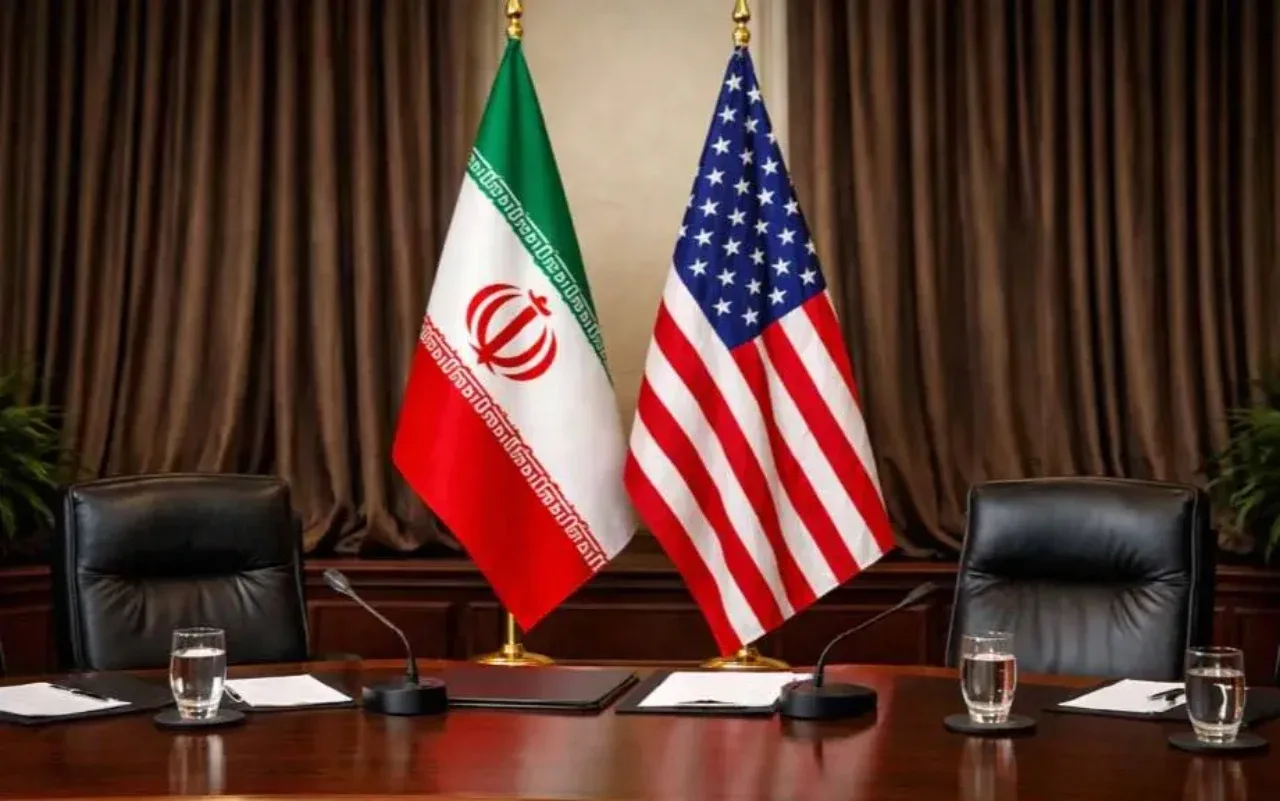
An unexpected turn is taking place in the nuclear negotiations between the US and Iran, which have been stalled for years. Citing its sources, Al Arabiya television reports that Washington and Tehran may reach a preliminary agreement in the coming days as part of a new mediation initiative put forward by Qatar and Pakistan. The plan involves limiting uranium enrichment in Iran to 3.67 percent in exchange for major economic and strategic relief.
The 3.67 percent limit: What terms did the parties agree to?
The new proposal has revitalized the process of serious direct negotiations between the two countries. The report states that the White House has officially agreed to Tehran enriching uranium to 3.67 percent on its territory, and the Iranian leadership has accepted this condition.
However, the main point of contention remains the stockpile of uranium already enriched to 60 percent in Iran. Washington is demanding a significant reduction of this high-grade material. An option involving a third country to carry out this process and provide technical assistance is being considered.
Agreement clauses | US and mediator demands | Iranian consent and benefits received |
Uranium enrichment level | Limit to a maximum of 3.67% | Official Tehran has agreed to this figure |
60 percent stockpiles | Drastic reduction of levels | Reprocessing with the help of a third country is under discussion |
IAEA inspectors | Full restoration of inspections | Scope and terms of authority are being negotiated |
Frozen assets | Gradual release of $6–9 billion | Tehran gains access to its frozen funds |
Strait of Hormuz and sea route | Lifting the naval blockade | Immediate full opening of the strait |
"The diplomatic initiative of Qatar and Pakistan will not only return the nuclear program to a safe limit but could also fully ease tensions in the Strait of Hormuz, the main artery of global oil trade."
9 billion dollars and the Strait of Hormuz: The price of a grand compromise
If the deal is reached, the US is expected to unfreeze between $6 billion and $9 billion of Iran's financial assets held under sanctions. This will be a powerful financial factor for the sanctions-hit Iranian economy.
The plan also includes a crucial clause for regional and global security: the immediate full opening of the Strait of Hormuz for shipping and the lifting of the naval blockade. This step is of immense importance in ensuring the safety of oil transport in the global energy market.
Currently, the parties are negotiating the terms for the return of International Atomic Energy Agency (IAEA) inspectors to Iran and the limits of their inspection authority. If the negotiations conclude successfully, one of the most dangerous crises that has persisted in the Middle East for many years could be contained peacefully, even if only temporarily.
Do you think this initial compromise between the US and Iran will truly be lasting, or will the nuclear program intensify again once sanctions are lifted? Share your thoughts in the comments.



Comments 0
…