


What products and services have increased sharply in price in January?
The Central Bank has announced inflation indicators as of January 2026. The figures indicate that overall annual inflation has been gradually decreasing in recent years, but there are still price "jumps" for some goods and services.
Overall inflation dynamics
According to the data, overall annual inflation was 12.3 percent in 2022. It decreased to 8.8 percent in 2023, increased to 9.8 percent in 2024, and decreased to 7.3 percent in 2025. As of January 2026, this indicator decreased slightly again, to 7.2 percent.
Food prices have gone up and down
According to the infographic, some products have become significantly cheaper, while others have become significantly more expensive.
The most expensive items in annual terms:
- Pumpkin: -57.9 percent
- Eggplant: -30.5 percent
- Watermelon: -27.9 percent
- Peaches: -24.5 percent
- Garlic: -21.1 percent
The most expensive items in annual terms:
- Lemon: +90.8 percent
- Cabbage: +27.9 percent
- Mutton: +27.2 percent
- Boneless beef: +25 percent
- Boneless beef: +23.8 percent
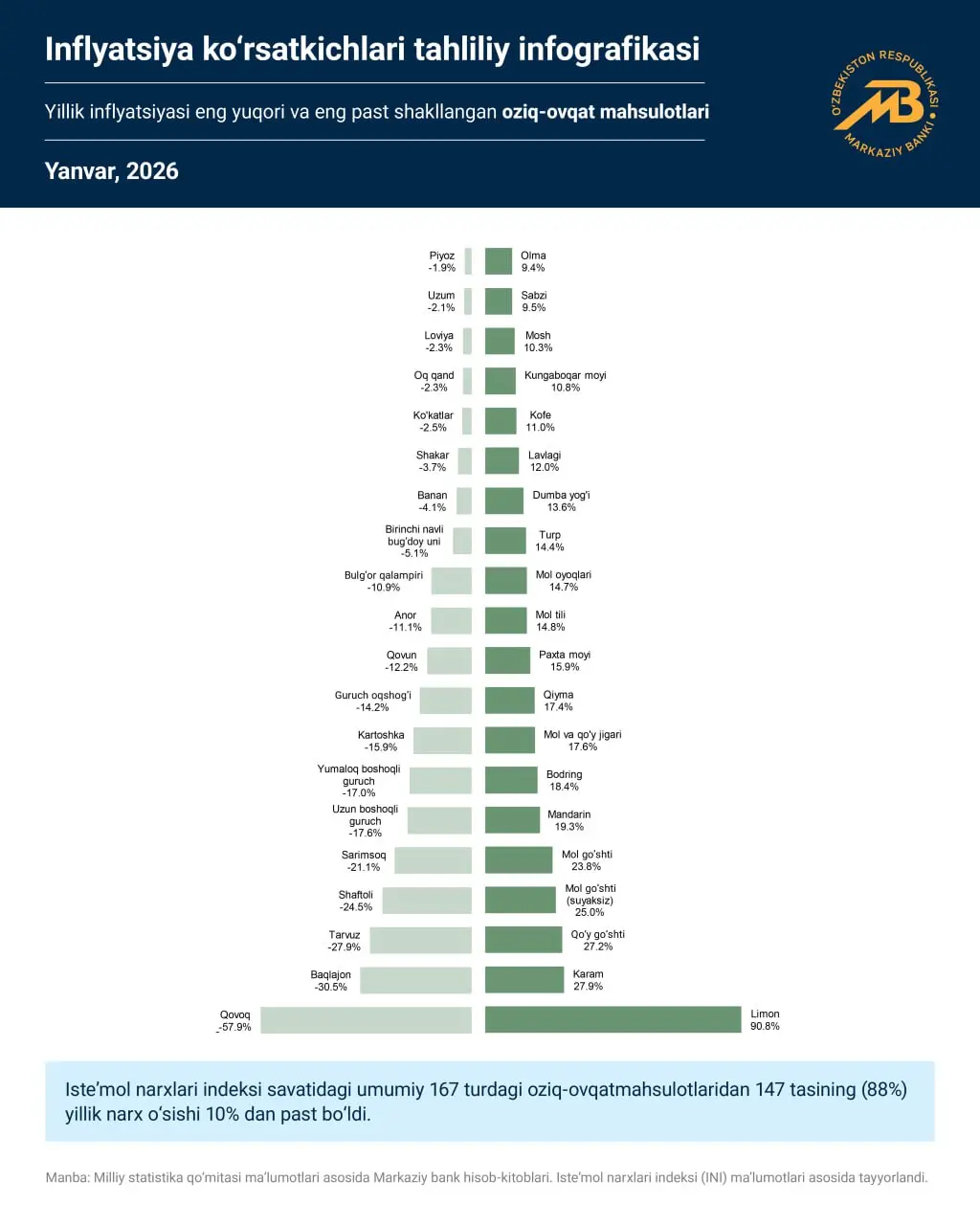
At the same time, 147 out of 167 types of food products in the consumer price index basket (88 percent) have increased in price by price growth was noted to be below 10 percent.
Earlier, at the meeting chaired by the president, it was emphasized that 45% of inflation in January was due to food products, especially 13% was due to meat. At this point, it was emphasized that in order to reduce the dependence on imports in meat, the issue of feed should be solved.
In non-food goods, the picture is different
The price of some non-food products has decreased slightly:
- Large kitchen utensils: -2.9 percent
- Small household appliances: -1 percent
- A4 paper: -0.9 percent
However, the record price of gold on the global market also affected jewelry: the wedding ring rose in price by 32.6 percent.
There were also sharp increases in some items:
- Methane: +30.2 percent
- Newspaper: +17.5 percent
- Propane: +12.3 percent
- Cement: +12.2 percent
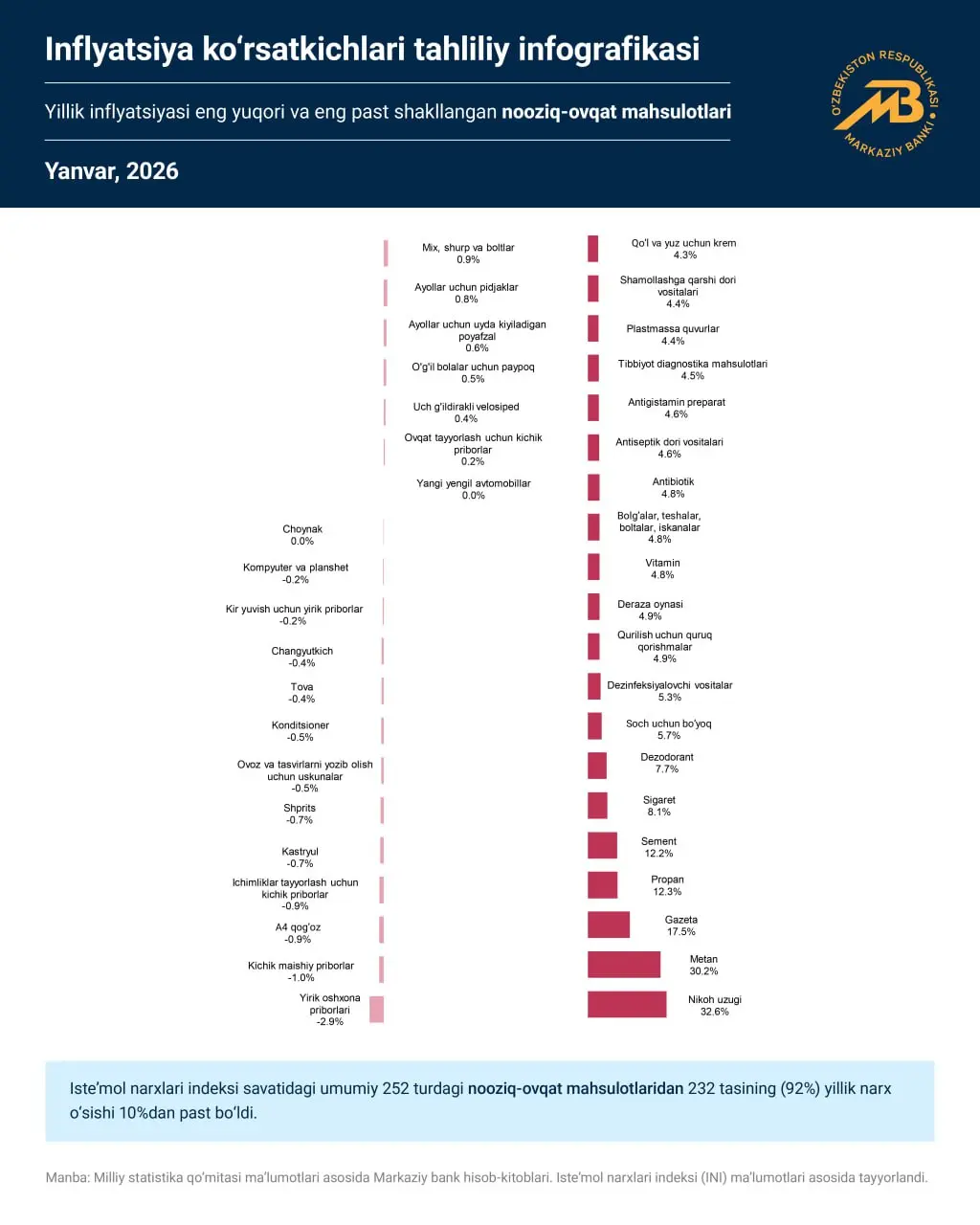
Of the 252 types of non-food products in the Consumer Price Index, 232 (92 percent) had annual price increases of less than 10 percent.
The biggest shock in services is in insurance
There are also interesting situations in the services sector. Annually:
- Payment for money transfers: decreased by -7.5%
- Education at a private university: decreased by -0.5%
The service that became the most expensive was insurance of personal vehicles: increased by 281.8%. The following services also experienced sharp price increases:
- Trolleybus fare: +100%
- Domestic passenger air transport: +55.9%
- Driving courses: +48.5%
- Mains gas: +39.2%
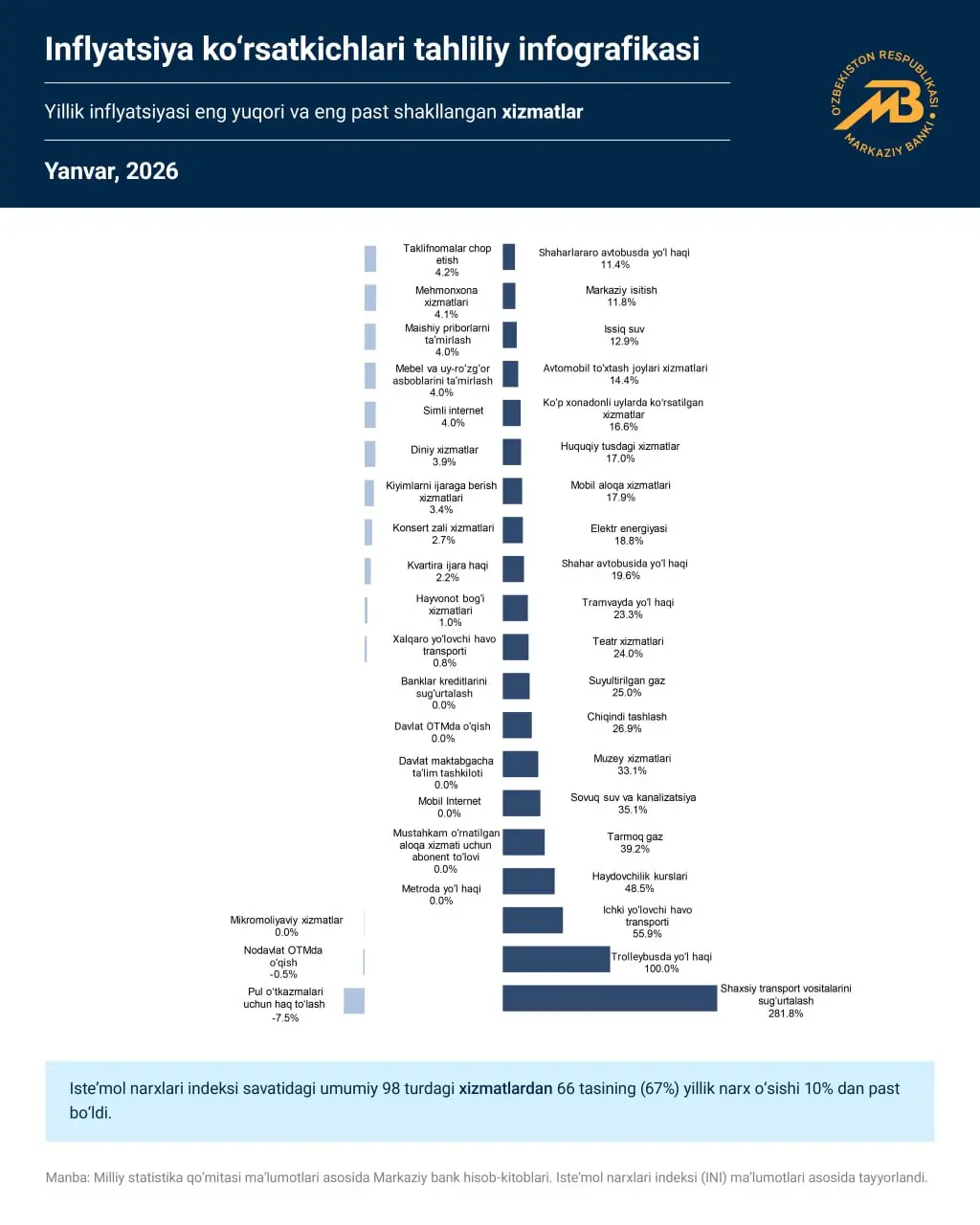
Of the 98 types of services in the Consumer Price Index, 66 (67%) saw an annual price increase of less than 10%.
Brief summary
The general inflation rate has decreased, but for the average buyer, the “feeling” is reflected in the price range: someone has eased on vegetables, someone has paid more for lemons, meat or insurance. Now the main issue is to reduce the pressure on food, especially meat, and to control the sharp jumps in the services segment. Yes, the economy is not “calm”, but if the direction is right, prices will eventually “come to their senses”.



Comments 0
…