


Kazakhstan and Turkmenistan start fighting for transit routes: What is the impact on Uzbekistan?
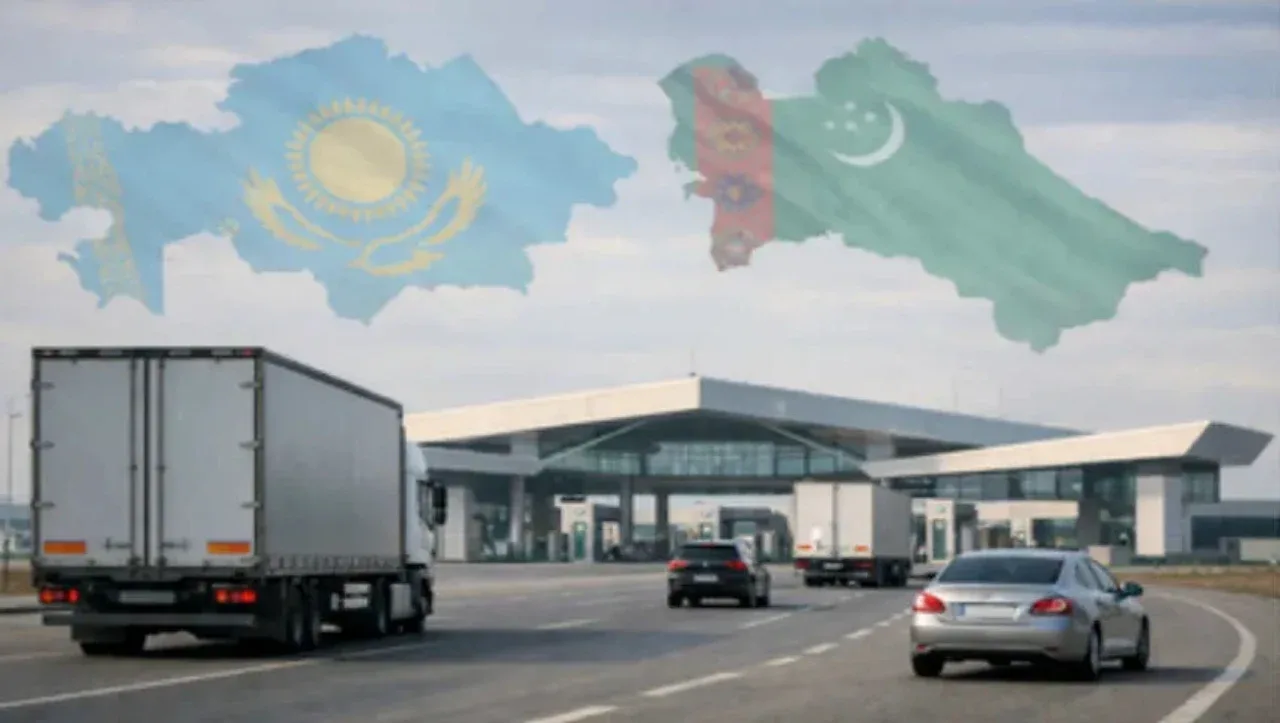
An uncompromising geoeconomic rivalry has flared up in the Central Asian region between two major littoral states — Kazakhstan and Turkmenistan — for global trade flows and transit revenues. According to information distributed by the Telegram analytical channel «Kompromat Sentralnaya Aziya», Ashgabat has launched active efforts to wrest maritime traffic in the Caspian Sea away from Astana. While these plans were first noticed in July during Turkmen President Serdar Berdimuhamedov's visit to Baku, China has now begun dispatching trial shipments along the southern branch of the Middle Corridor (TITR) passing through Uzbekistan and Turkmenistan toward Azerbaijan.
This route serves as a serious alternative to Kazakhstan’s Kuryk — Makhachkala branch, cutting cargo delivery times by a full day. Furthermore, Rovshen Annaberdiyev, a Foreign Ministry official of Turkmenistan, is promoting an initiative to strengthen control over the entire Trans-Caspian corridor by opening an international logistics center under the auspices of the UN. In turn, Kazakh President Kassym-Jomart Tokayev delivered a crushing response to his rival during negotiations with Seoul, proposing the Lianyungang and TRIPP corridors, which bypass the Port of Turkmenbashi.
So, who will win this transit war in the Caspian, whose side will the US and European Global Gateway strategies take, and what huge strategic benefits will Uzbekistan reap from the southern branch?
«New route from China, UN leverage and Tokayev's demarche in Seoul»: Details of the rivalry
The most important points and facts of the logistical struggle in the region:
The southern branch saving 1 day: China is testing a route to Azerbaijan via Uzbekistan and Turkmenistan; it has proven to be faster than the path passing through the Kazakh port;
Center under the UN flag: Ashgabat plans to become the main operator between Europe and Asia by transferring the management of the Trans-Caspian corridor to a logistics center under UN auspices;
Ashgabat's allies: Turkmenistan's initiatives at the UN are supported by Russia, Azerbaijan, Turkey, China, Central Asian states, and South Korea;
Tokayev's counter-strike: The President of Kazakhstan proposed to Korean partners the Lianyungang base in China, which bypasses the Port of Turkmenbashi, and the TRIPP corridor passing through the Caucasus;
Clash of sea ports: In the matter of cooperation with South Korea’s major Port of Busan, Kazakhstan is actively promoting its ports on the Caspian, while Turkmenistan is promoting the capacity of the Turkmenbashi International Seaport.
Caspian transit corridors: Comparison of Kazakhstan's and Turkmenistan's positions
An analysis of the logistics capabilities and proposals of the two countries:
Criteria and parameters | Kazakhstan route (Northern corridor) | Turkmenistan route (Southern corridor) |
Main geographical branch | Lianyungang — Kazakhstan (Aktau/Kuryk) — Caucasus | China — Uzbekistan — Turkmenistan — Azerbaijan |
Delivery speed | Traditional baseline timeframe | Delivery time is 1 day shorter |
Port infrastructure | Kuryk and Aktau ports | Turkmenbashi International Seaport |
International political leverage | EU (Global Gateway), US, South Korean ports | UN mechanisms, Turkey, Azerbaijan, Russia, China |
Management ambition | National railway and independent port control | Plan to establish an international center under UN auspices |
Benefit for Uzbekistan | Direct northern transit outlet | Sharp increase in transit revenues through the territory of Uzbekistan |
Geoeconomic expertise: What does Caspian transit give to Uzbekistan?
Conclusions of international transport analysts and logistics experts:
Significance of the southern branch for Tashkent: The passage of Chinese cargo through Uzbekistan and Turkmenistan to Azerbaijan will increase the transit flow via our country's railways and bring in millions of dollars in net profit annually;
Putting an end to Kazakhstan's monopoly: Kazakhstan, which has been the absolute leader in cargo transportation in Central Asia for years, will now be forced to lower tariffs to retain shippers;
Probability and obstacles of UN control: Ashgabat's plan to involve the UN may create excessive bureaucracy for the European Union and the US, which is why Western investors are more likely to prefer free market rules;
Central Asia is becoming a logistics hub: Healthy competition between the two countries will lead to the modernization of regional infrastructure and an increase in alternative routes for China-Europe trade.
This struggle that has begun between Kazakhstan and Turkmenistan for Caspian transit is turning Central Asian countries into the most important node on the global logistics map.
In your opinion, is the 1-day faster southern route for Chinese cargo passing through Uzbekistan and Turkmenistan more convenient, or Kazakhstan's established ports? How should Uzbekistan strengthen its transit initiative in this competition? Leave your personal analysis and thoughts in the comments and share the hottest geoeconomic news regarding regional logistics with all your colleagues and economists!



Comments 0
…