


Nighttime Danger: Sleep deprivation proven to cause 172 diseases!
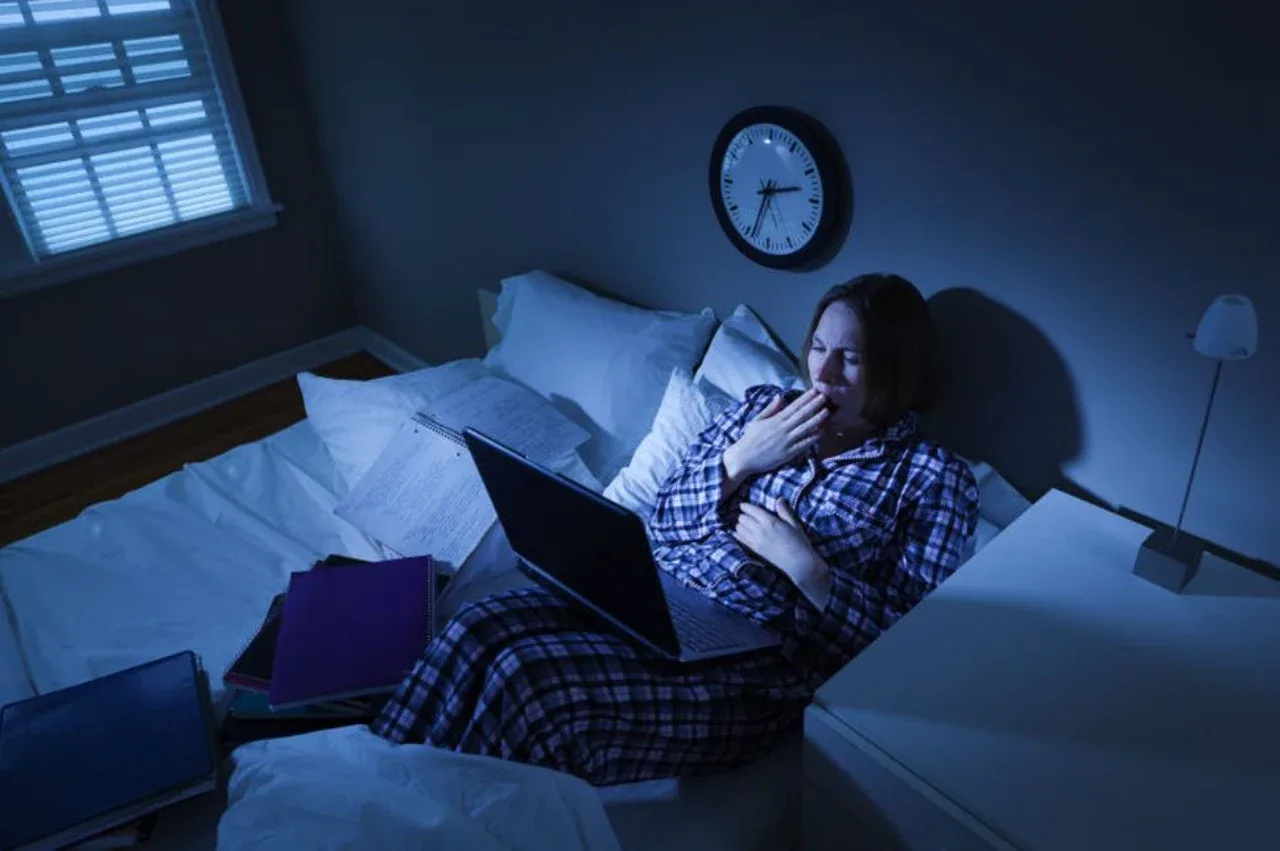
One of the world's most influential scientific publications, the Science journal, has published horrifying research results regarding human health and daily habits. Large-scale research conducted by an international team of scientists has proven that chronically going to bed late and poor sleep quality directly trigger the development of at least 172 various severe diseases in the human body.
During the research, genetic and medical biodata of over 88,000 volunteers were deeply analyzed, revealing that insomnia deals a destructive blow not only to the nervous system, but also to the functioning of all internal organs in the human organism. According to the scientists' conclusion, an unhealthy sleep regimen escalates problems ranging from asthma, a chronic disease of the respiratory tract, to the dangerous herpes virus that awakens as a result of a sharp drop in immunity.
So, how does nighttime wakefulness and abnormal sleep devour the immune system from within, what innovations did the research involving 88,000 people bring to modern medicine, and how should one follow sleep hygiene to protect against severe complications?
"Observation of 88,000 people and 172 diagnoses": Key conclusions of the Science research
The main facts and discoveries of the fundamental research conducted by scientists:
Over 88,000 biodata points: The research was conducted over several years by comparing biometric indicators, lifestyles, and disease histories of more than 88,000 respondents;
Link to 172 diseases: Sleep deficiency and circadian disruption intensify inflammatory processes in the body, sharply increasing the risk of 172 types of somatic and viral illnesses;
Asthma and respiratory risks: Failure to sleep normally hinders the regeneration of the lungs and bronchi, triggering allergic reactions and chronic asthma attacks;
Resurgence of viruses: As the body's defense barrier (immunity) weakens, dormant herpes and other dangerous infections become active;
Hormonal chaos: The failure to produce melatonin and recovery hormones at night completely disrupts the cellular renewal cycle.
Sleep quality and the human organism: Comparison of research indicators
Analysis of data and complications presented in the Science journal:
Criteria and Indicators | Healthy and Full Sleep (7-8 hours) | Chronic Late Sleep / Sleep Deprivation |
Research Scope | Biodata of over 88,000 people | Biodata of over 88,000 people |
Risk of Disease Development | Minimal level (normal) | Risk of at least 172 diseases increases sharply |
Immune System Status | A strong defense barrier is formed | Vulnerability against herpes virus and infections |
Respiratory and Lung Function | Tissues regenerate completely | Asthma and chronic inflammations flare up |
Body Cells | Melatonin synthesis proceeds fully | Early aging, toxin accumulation, and degradation |
Medical Expertise: Why is sleep deprivation so dangerous?
Scientific conclusions of international health experts and neurobiologists:
Evening detoxification of immunity: T-cells and antibodies are produced in the body when a person sleeps; nighttime wakefulness deprives the organism of its natural defense weapon;
Hidden blow of going to bed late: Even if the required 7-8 hours of sleep are achieved, sleeping after 23:00 disrupts the natural circadian rhythm and hinders cell regeneration;
Infectious chain: During chronic fatigue, the central nervous system operates under stress (high cortisol), which paves the way for chronic viruses like herpes to surface in the skin and nerve fibers;
Preventive measure — simple hygiene: To avoid falling into the long list of 172 diseases, it is recommended to go to bed at the same time every day (no later than 22:30–23:00) and completely abandon gadgets in the bedroom.
This comprehensive research published in the Science journal has scientifically proven that getting enough sleep and healthy rest is not just relaxation, but the primary factor in saving human life.
How many hours do you sleep a day, and what time do you usually go to sleep? Have you noticed the negative impact of nighttime wakefulness on your body and daily alertness? Leave your personal experience and thoughts in the comments, and share this important medical analysis with all your friends for the health of your loved ones!



Comments 0
…