


The hidden danger of hot tea: Oncologist issues warning regarding esophageal cancer
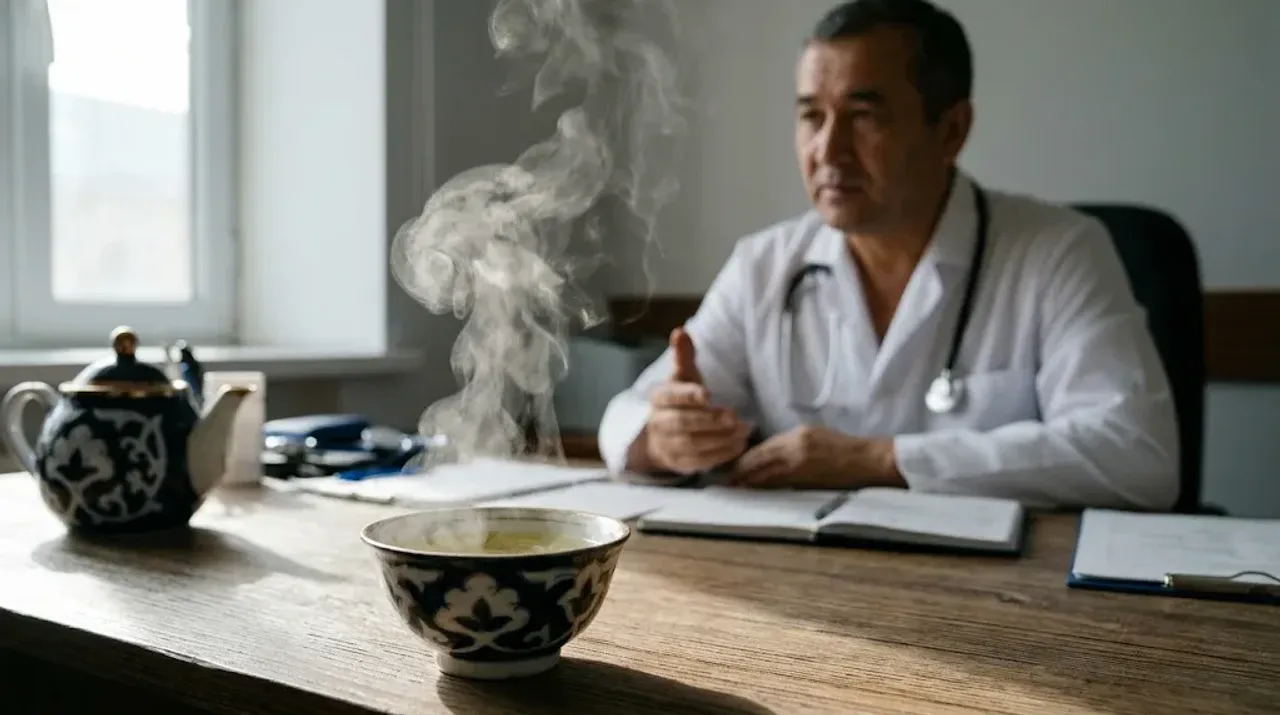
Drinking hot tea is considered a long-standing favorite national tradition and a sign of hospitality among our people. However, oncologists point out that consuming tea or liquids that are excessively hot poses unexpected and serious risks to human health, particularly to the digestive system.
Medical observations show that regular consumption of beverages with temperatures above 65–70°C is one of the main factors that significantly increase the risk of esophageal cancer (an oncological disease).
Why are boiling hot drinks dangerous for humans?
As boiling liquid passes through the esophagus, it has a direct negative impact on the tissues:
Chronic burns of the mucous membrane: Very hot drinks repeatedly burn the delicate mucous membranes of the oral cavity and esophagus, causing micro-injuries;
Pathological changes in cells: As a result of constant thermal burns, tissue cells are forced to regenerate continuously. Over time, this chronic inflammatory process triggers the disruption of cell structure (mutation) and the development of malignant tumors.
3 main factors increasing the risk of esophageal cancer
Experts highlight three main negative factors that increase the risk of cancer several times over:
Very hot food and boiling drinks: Consuming food, soups, or teas with temperatures above 65–70°C without letting them cool down;
Smoking tobacco products: Carcinogenic substances in nicotine and smoke are absorbed into the damaged mucous membrane twice as fast;
Alcohol consumption: Alcohol chemically burns the mucous membrane, destroying its protective barrier.
Doctor's conclusion: How should tea be consumed?
It is not necessary to give up your favorite tea to protect your health; simply following a basic culture of consumption is enough:
Just wait a little: Make it a daily rule not to drink tea the moment it is poured into a cup, but to let it cool for at least 3–5 minutes until the temperature drops to a warm level (around 50–60°C);
Warn your loved ones: It is important to convey this scientific fact to the elderly and loved ones who are accustomed to "warming up" with hot drinks, especially during the cold days of autumn and winter.



Comments 0
…