


What changes in a family when a man avoids responsibility?
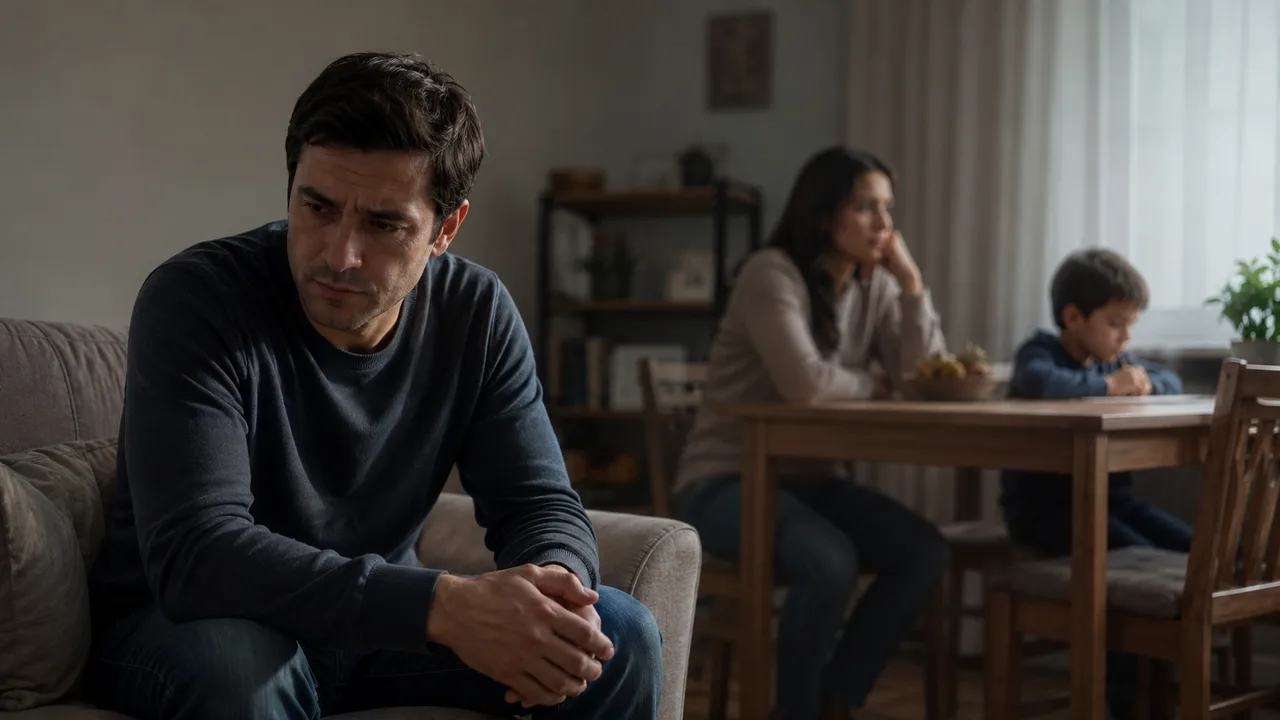
Peace in a family is maintained not only through affection but also through responsibility, trust, and daily actions. As a man distances himself from his duties as a husband and father, relationships at home gradually change, and he himself may become dissatisfied with life.
However, in such a situation, viewing the "disobedience" of a wife or children as the sole problem does not provide a solution. Often, the attitude of family members is a response to long-accumulated neglect, broken promises, and lost trust.
Responsibility is not just about earning money
A man's role in the family is not limited to financial provision. It is important for him to be actively involved in the lives of his loved ones, take responsibility for decisions, and be a pillar of support for his family during difficult times.
The responsibility of fatherhood and husbandhood is also manifested through the following simple actions:
talking to and listening to the child;
valuing the efforts of one's spouse;
not avoiding problems at home;
fulfilling promised tasks;
choosing calm communication instead of anger.
If these duties are not performed regularly, even if the man is physically at home, family members may feel that he is emotionally distant.
When trust is lost, the relationship changes too
A child looks more at a father's actions than his words. Constant neglect, harshness, or broken promises diminish a child's trust in their father.
The same process occurs between spouses. If a woman feels unheard, unprotected, or as if she is carrying the entire burden alone, her feelings may grow cold.
It is easy to label such a situation simply as "disobedience." But behind it often lies pain, exhaustion, and resentment accumulated over years.
Why does the man himself lose his peace?
Avoiding responsibility may seem like a relief at first. But over time, a person begins to lose their place and value within the family.
Sincere conversations at home decrease, children share their problems with other people, and intimacy between husband and wife becomes a mere formality. Then, the man may develop the feeling that "no one values me."
In reality, this state is often the result of long-term emotional detachment from the family.
Harshness does not bring respect
Respect in a family cannot be maintained through intimidation, shouting, or giving orders. Fear creates temporary silence, but it erodes trust.
True authority emerges when a man's words and actions align. If a child feels that their father is fair, and a wife feels she can lean on her husband, there is no need to forcefully demand respect.
Is it possible to change the situation?
Just as coldness in a family does not appear in a day, it does not disappear in a day either. However, if a man admits his mistakes and takes practical steps, trust can be restored.
This begins with apologizing, listening without blaming family members, and fulfilling even small promises. If the problem has deepened, the help of a family psychologist or a trusted professional can also be beneficial.
Blessing in a family is not just financial prosperity. It is also manifested in people valuing each other, sharing responsibilities, and feeling safe at home. A man's strength lies not in controlling everyone, but in being a reliable pillar for his family.



Comments 0
…