


"Uzbekistan betrayed me!": Nargiz Zakirova openly turns her back on her homeland (video)
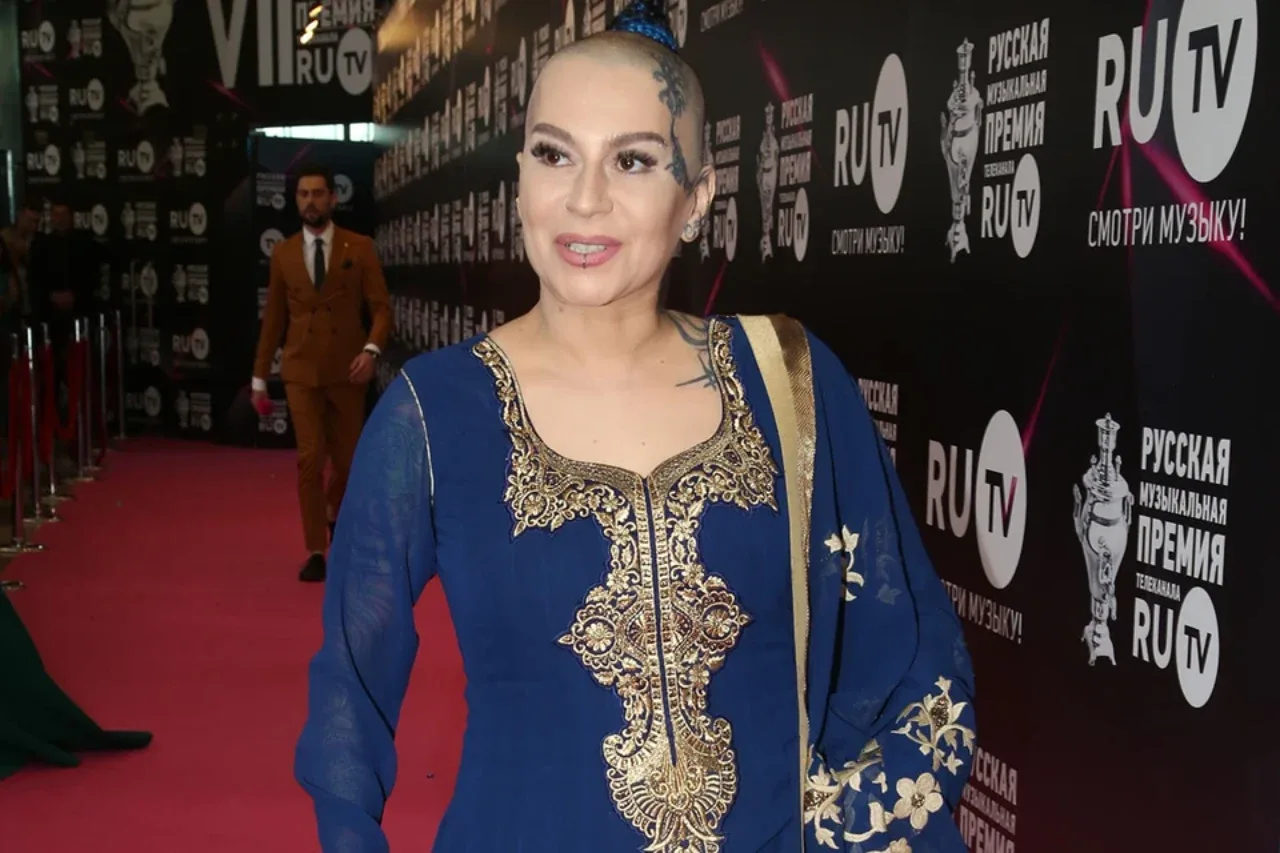
Born in Tashkent into a famous dynasty of artists and later gaining fame on international stages, singer Nargiz Zakirova's latest sensational and sharp statement has sparked a real wave of anger on social media and in the media space. In her statement, the singer complained that Uzbekistan had "betrayed" her and announced that she had completely turned her back on her homeland. She claimed that the majority of Uzbekistan's population supports the leader of another state in their political views, which is why she does not consider herself belonging to this country.
Zakirova openly stated that she recognizes only the United States of America as her true homeland, harshly commenting, "A homeland is a two-way love; regardless of whether people like it or not, my only homeland remains the US." Following this statement, the public once again recalled the details of a sensational conversation previously arranged by well-known pranksters Vovan and Lexus. At that time, it was exposed that the singer, unaware she was speaking to fake Ukrainian officials, had her European concerts canceled, intended to get her husband a US passport and burn her Russian passport, and agreed to any conditions in exchange for having her name removed from the "Mirotvores" database.
So, what forced the famous artist to openly renounce her birthplace, what political and personal factors lie behind her position, and how is the public receiving Nargiz Zakirova's sharp statements?
"Turning away from the homeland and loyalty to the US": The essence of Nargiz Zakirova's statement
The singer's main claims, which caused widespread discussion on the internet:
The accusation that "Uzbekistan betrayed me": Zakirova accused her country of betrayal, citing the fact that the local population's views on foreign political events do not match her position;
The US is the only homeland: The artist stated that she considers only America to be her true homeland and that this decision is final;
The formula of "two-way love": In her opinion, the concept of a homeland is measured by how a person perceives it and what benefits or emotions they derive from it;
Objections on social networks: Thousands of internet users from Uzbekistan perceived the singer's words as a grave insult and disrespect toward national values, showering her with criticism.
"An unmasked face in the trap of pranksters": Vovan's conclusions after the conversation
Circumstances exposed during the dialogue between the singer and prankster Vladimir Kuznetsov (Vovan):
Failures in Europe: It was revealed that the singer's foreign tours were not going as expected, in particular, her concerts in Germany and Switzerland had tickets unsold or were canceled;
Plea to be removed from the "Mirotvores" list: In a conversation with a fake Ukrainian Minister of Culture, Zakirova justified herself regarding the soundtrack for the film "Crimea", shifted the blame to producer Maxim Fadeyev, and begged to have her name removed from the black list;
Passport burning plan: Nargiz admitted that she planned to soon replace her husband's Russian passport with an American document and demonstratively renounce her former citizenship;
Political manipulation: The prankster noted that such individuals quickly change their stance depending on the situation and are ready to adapt to any political force.
Public and cultural analysis: What do experts say?
The assessment of the event by cultural scholars and social media observers:
The tragedy of detachment from roots: The artist, being a representative of a famous dynasty, not recognizing the land where she was born as her homeland is assessed as her spiritual crisis;
Attracting attention through sensation: At a time when a stagnation and financial decline are observed in her musical career, such statements are seen more as a means of staying in the spotlight of the media;
Loss of audience trust: Fans who once loved and listened to her are now openly writing that they are disappointed not only in the singer's art, but also in her personal human position.
Nargiz Zakirova's latest sharp statement about Uzbekistan and her past has once again brought serious questions to the agenda regarding the artist's responsibility to society and the concept of national pride.
In your opinion, what caused Nargiz Zakirova to express such harsh and negative views about her homeland, Uzbekistan: simply a desire for sensation and attention, or the artist's complete disconnection from her roots? How do you evaluate accusing the country where a person was born of "betrayal", regardless of where they live? Leave your analytical thoughts in the comments and share this analysis of the sensational conflict in the cultural world with all your close ones and friends!



Comments 0
…