


Special "Pit-Stop" for Robotaxis: Aseon Labs Solves Driverless Transport Problem
Encountering autonomous vehicles moving without passengers on the streets of San Francisco has become a common occurrence. However, these robotaxis are often forced to travel to specialized bases on the outskirts of the city simply for charging or cleaning. According to TechCrunch, the Redwood City-based startup Aseon Labs is offering an innovative solution to this problem. This is reported by Techcrunch.com news reports.
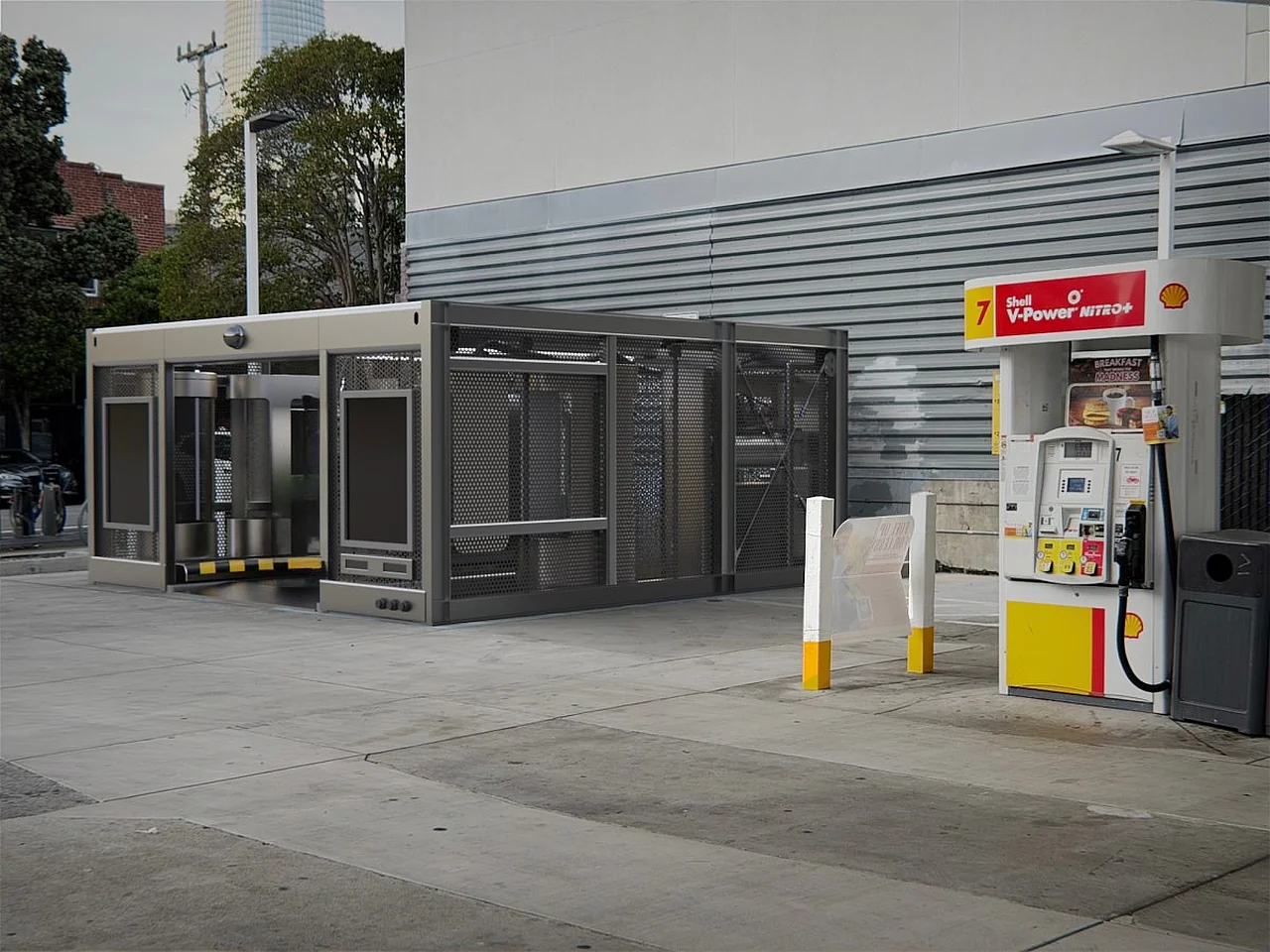
Distances traveled without passengers, known in the industry as "deadhead miles," are one of the largest expenses for robotaxi companies. Aseon Labs plans to create automated modules (pods) the size of parking spaces distributed throughout cities. These devices will perform inspection, cleaning, and charging functions for robotaxis, acting as a kind of "robotized pit-stop."
Investments and Project Prospects
The idea has already attracted the attention of major investors. Aseon Labs raised $10 million in an investment round led by Crane Venture Partners. The project also involves Y Combinator, Expa (the firm of Uber co-founder Garrett Camp), and former employees of companies such as Anthropic, Nuro, and Tesla. The funds raised will be used to create five prototypes and expand the engineering team.Aseon Labs founders George Kalligeros and Dan Keene previously successfully launched Pushme, a startup that created battery-swapping infrastructure for micromobility. Their experience is now focused on solving logistical problems in the driverless car sector. According to Kalligeros, for robotaxis to be profitable, they must be maximally active during the day and minimize idle travel time.
Integration into Urban Infrastructure
Currently, depots serving robotaxis are often located far from the city center because real estate prices in the center are very high. The modules offered by Aseon Labs, due to their compactness, can be placed directly in high-demand areas. This significantly saves the time and energy robotaxis spend traveling to and from service centers.This technology is expected to be an important step in making robotaxi services economically comparable to traditional taxi services. If a robotaxi is constantly busy transporting passengers and only stops for short-term technical maintenance, it is natural that service prices will decrease and efficiency will increase. Aseon Labs aims to form an entire driverless transport ecosystem in the future by expanding its network.


Comments 0
…