


Tesla Begins Testing Steering-Wheel-Free Cybercab Robotaxis in Austin
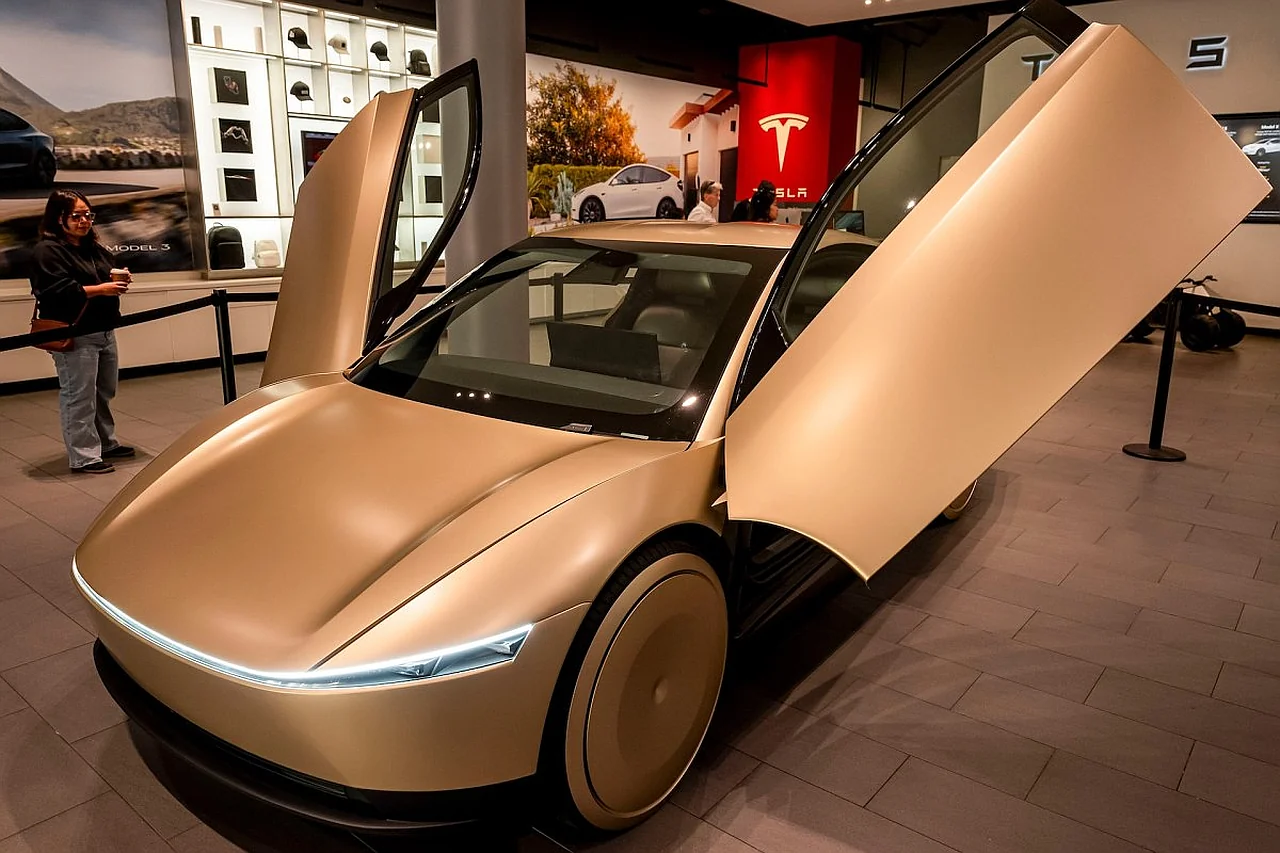
In Austin, USA, Tesla has begun testing a production-ready version of one of its most anticipated projects — the Cybercab robotaxi. The distinctive feature of this electric vehicle is the complete absence of traditional controls, namely the steering wheel and pedals. The compact two-person cabin is designed exclusively for passengers, marking a new stage in the development of autonomous vehicles. This was reported by Techcrunch.com news reports.
For now, as a safety measure, a special supervisor sits in the right seat during tests. This became known through video clips posted on the social network X, owned by Elon Musk. The Cybercab project was first introduced nearly two years ago and aims to launch a fully autonomous taxi service summoned via the Tesla app. In recent weeks, the company has also been testing prototypes of this model with steering wheels in several US cities.
Competition and Technological Approach
Tesla management is confident in overtaking its main competitor in this field — Waymo. According to Elon Musk, because Tesla develops both its vehicles and software independently, it has a significant advantage in cost control. For comparison, Waymo is forced to partner with brands such as Jaguar and Zeekr.Another key difference is evident in the technology. While Waymo uses expensive lidar and radar in its systems, Tesla relies solely on cameras and AI. While this method makes production cheaper, there are various debates among experts regarding how the system performs in complex situations, such as construction sites or heavy rain.
Legislative Changes and Barriers
One of the main factors hindering the widespread adoption of robotaxis has been legislation. However, according to ixbt.com, the US National Highway Traffic Safety Administration (NHTSA) recently put forward a new proposal. According to it, brake pedals will not be mandatory in vehicles controlled solely by automated systems. This rule is expected to take effect by the end of the year, paving the way for models like the Cybercab.It is worth noting that autonomous driving technology is not yet perfect. During tests in Austin, Model Y-based robotaxis have been involved in several minor collisions. Similarly, competitor Waymo vehicles have reportedly faced difficulties navigating around school buses and on flooded roads.
The success of the Tesla Cybercab project is critical for the company's future financial stability. As these gold-colored, futuristic-looking two-seater cars increase on the streets, it will become clear how realistic Tesla's plan to create a nationwide robotaxi network is. This news is also interesting for technology enthusiasts in Uzbekistan, as the global popularization of autonomous transport could completely transform urban infrastructure in the future.


Comments 0
…