


NASA and Blue Origin: Moon missions continue despite New Glenn rocket accident
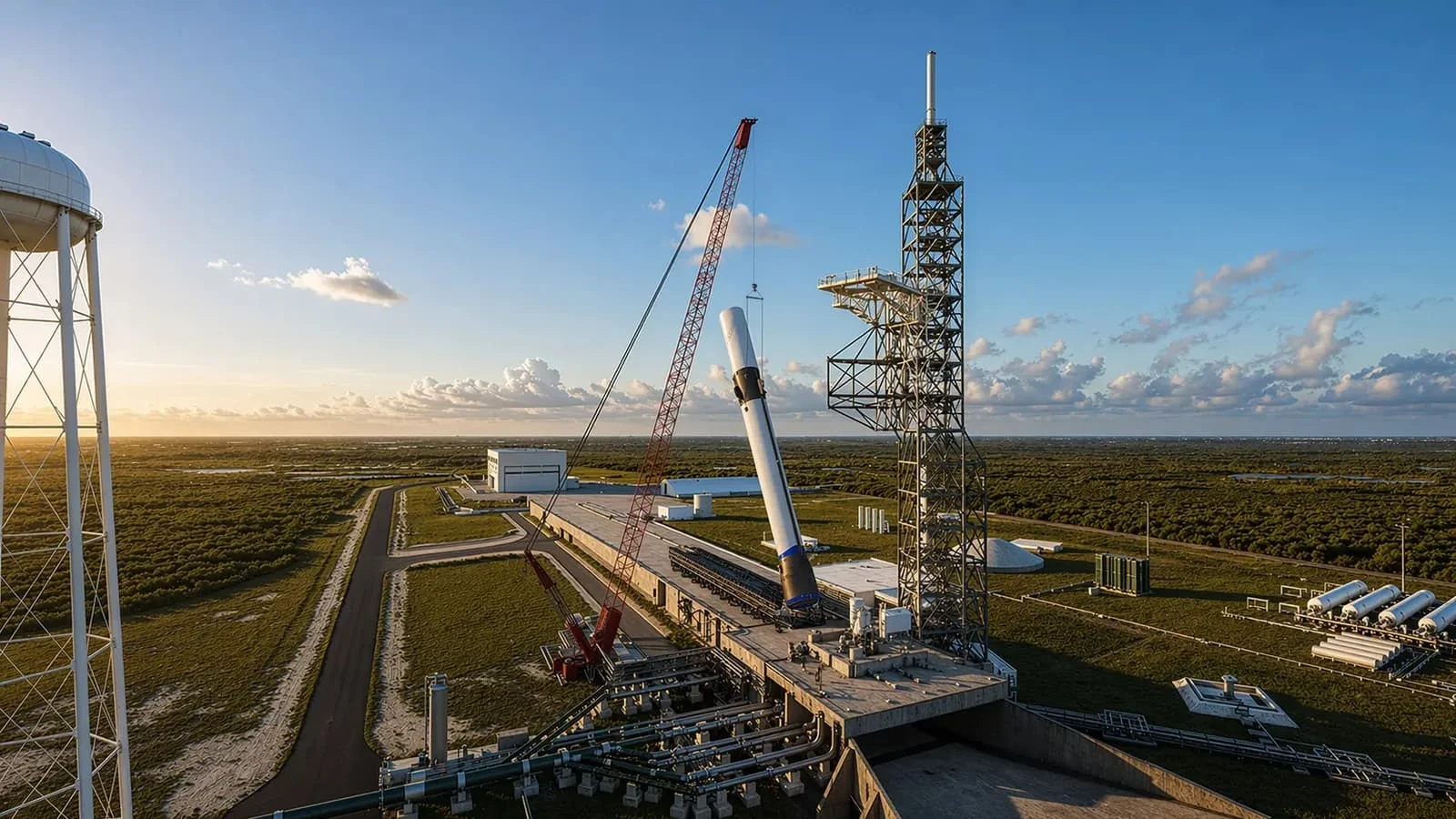
The U.S. National Aeronautics and Space Administration (NASA) has decided to keep the lunar flight plans of Jeff Bezos' Blue Origin unchanged until 2027. A serious accident involving the New Glenn rocket at the end of May, as well as the destruction of infrastructure at the launch site, had raised doubts about the future of this program. However, the agency does not intend to terminate the strategic partnership for now. This is reported by Ixbt.com .
According to NASA representative Jared Isaacman, Blue Origin is currently actively working on restoring the launch complex. As a result of an explosion during engine testing, the only operational launch pad, including the lightning protection tower and the transport-erector system for the rocket, was completely disabled.
Infrastructure changes and a new approach
According to ixbt.com, while addressing the aftermath of the accident, Blue Origin is rethinking its technical approach. The company plans to abandon the restoration of the previous complex transport-erector system and switch to a method of assembling the rocket directly on the launch pad using cranes. This will save time and reduce future risks.The New Glenn rocket occupies a central place in Blue Origin's lunar programs. In particular, it is expected to carry Mk.1 cargo missions and future Mk.2 crewed modules into space as part of the Artemis III program. According to initial plans, the first cargo mission, named Endurance, was supposed to take place this year, but technical malfunctions forced a delay.
Alternative options and the Artemis program
Although NASA is currently maintaining its work with Blue Origin as "Plan A," the space agency has also taken precautionary measures. To ensure the lunar program's deadlines are not missed, the following are being considered as alternative launch vehicles:- The Falcon Heavy rocket from Elon Musk's SpaceX;
- The Vulcan rocket developed by United Launch Alliance (ULA).
In conclusion, it can be said that NASA considers the current situation to be under control. The agency does not expect critical delays before 2027. However, if the process of putting the New Glenn rocket into service is further delayed, it could directly impact the schedule of the Artemis III mission and subsequent expeditions for humanity's return to the Moon.


Comments 0
…