


NASA publishes photo of lunar crater created by a Falcon 9 impact
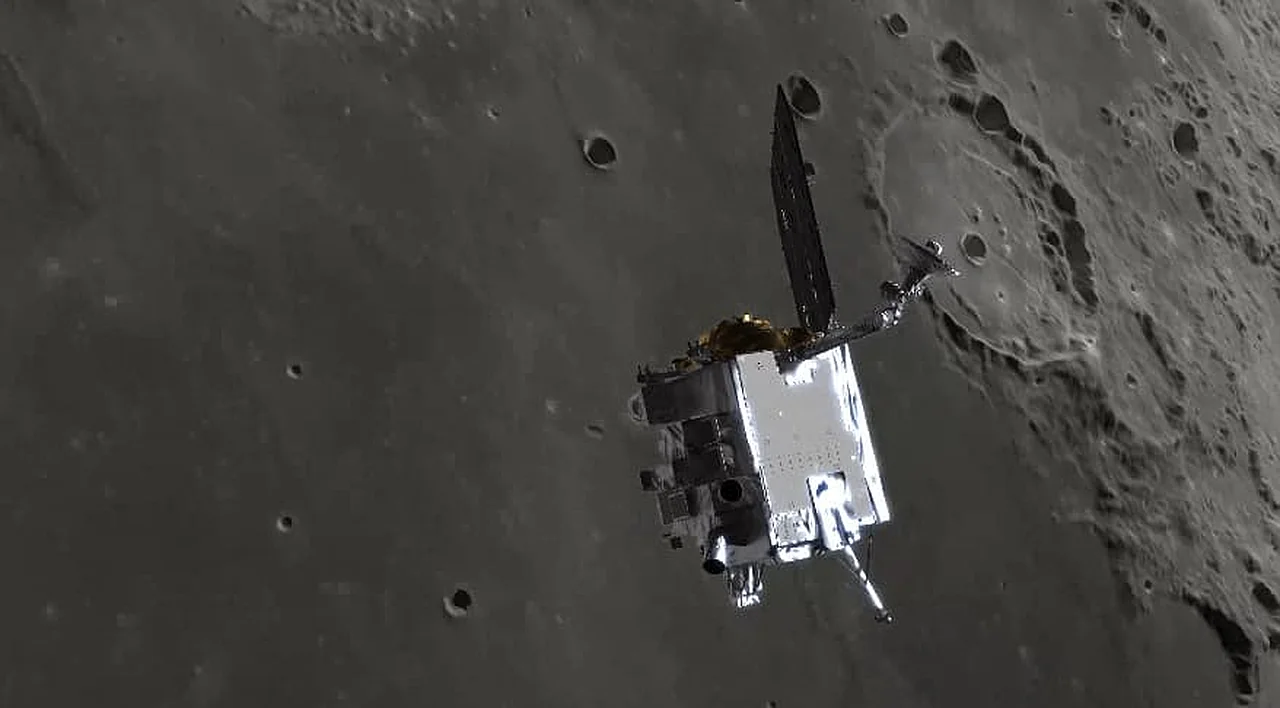
The US space agency NASA has released the first clear images of a new crater formed on the Moon’s surface. This mark is the remnant of the SpaceX company’s Falcon 9 rocket’s upper stage, which struck the Moon, turning the event into one of the most significant scientific observations in the history of space exploration. Ixbt.com reports .
According to ixbt.com, the collision occurred on August 5 this year. The rocket’s upper stage, weighing four tons, hit the lunar surface at a speed of approximately 8,700 kilometers per hour. Earlier, South Korea’s Danuri lunar probe had sent images taken before and after the impact, but the latest frames have expanded the scope of space research even further.
Lunar imaging and new photos
New images captured by NASA’s Lunar Reconnaissance Orbiter (LRO) were recorded on August 11–12. For scientific analysis, each image was magnified twofold, enabling a detailed study of a small area of the Moon’s surface approximately 300 meters wide.According to agency representatives, the LRO spacecraft had to wait six days for the target area to come into view of its camera. Images taken from different angles and under varying lighting conditions allowed scientists to accurately assess the crater’s distinctive features.
The crater’s size and structure
The data show that the resulting crater is 18 meters wide. Judging by the shadow cast by the setting Sun, its depth does not exceed 3 meters. This indicates that the feature formed in a slightly flatter shape than expected.While examining the images, specialists also identified various bright streaks scattered around the crater:
- Darker streaks — surface dust and rock layers exposed to solar wind, cosmic rays and micrometeorite impacts over long periods.
- Brighter streaks — remnants of completely fresh, clean material ejected from the Moon’s deeper surface layers.
After the payload was separated, the rocket’s upper stage did not have enough fuel to return to Earth. As a result, it continued on its own toward the Moon and ultimately struck its surface in August, leaving behind this enormous mark.


Comments 0
…