


China's Starlink Alternative: New Satellites from the Qianfan Constellation Launched into Orbit
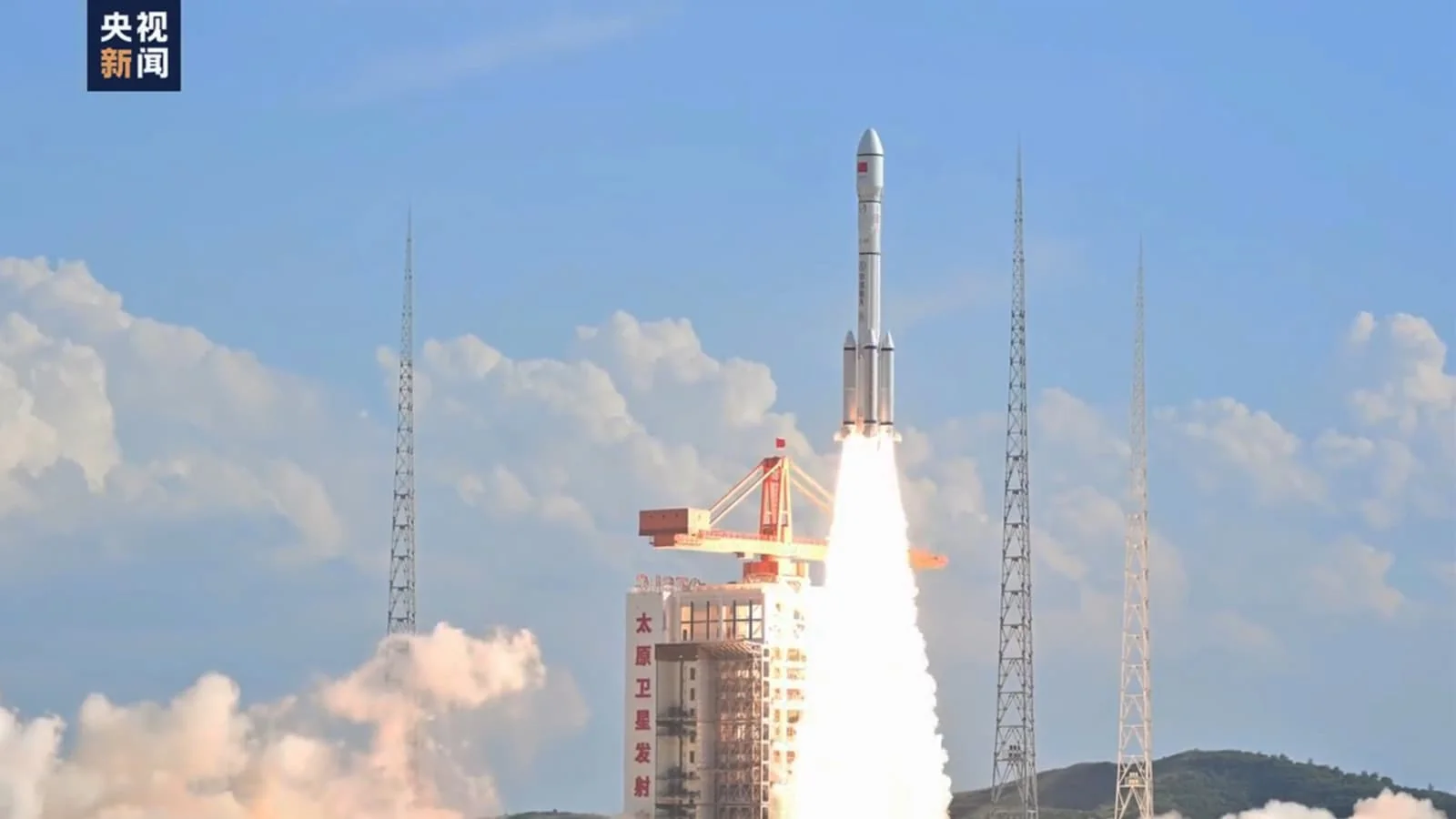
China continues to strengthen its position in the global satellite internet market. The country's Taiyuan spaceport saw the successful launch of the latest Long March 6A carrier rocket, which placed 13 new satellites belonging to the Qianfan constellation into orbit. This project is seen as the main competitor to Elon Musk's Starlink system. Ixbt.com reports .
This mission marked the historic 655th flight for rockets in the Long March (Changzheng) family. According to ixbt.com, all devices were precisely placed into their designated orbits. The Qianfan project is being developed by Shanghai Yuanxin Satellite Technology and aims to create a low-orbit broadband internet network.
The network being built under this project will support not only high-speed internet but also low latency and future 6G communication standards. This ensures China's technological independence and increases its potential to provide digital services on a global scale.
Step by Step Toward Global Coverage
The expansion of the Qianfan system consists of several key phases, with the initial phase currently being implemented:- The first phase provides regional coverage using 648 satellites.
- The second phase will increase the number of devices to 1,296, forming a global network.
- According to final plans, the number of devices in space will exceed 15,000, providing various satellite services.
It is worth noting that the previous batch of the Qianfan constellation was launched on June 5 of this year, when 12 devices were sent into orbit. Following the new launch, the total number of satellites in the group exceeded 190. This pace demonstrates how serious China's ambitions are in space exploration and satellite communications.
The development of such projects is also of great importance for Uzbekistan. The proliferation of systems like Starlink and increased competition could expand access to affordable and high-quality internet services in remote areas in the future. The entry of Chinese technologies into the global market increases consumer choice.


Comments 0
…