


China intensifies space competition with Starlink: A new phase for the Qianfan project
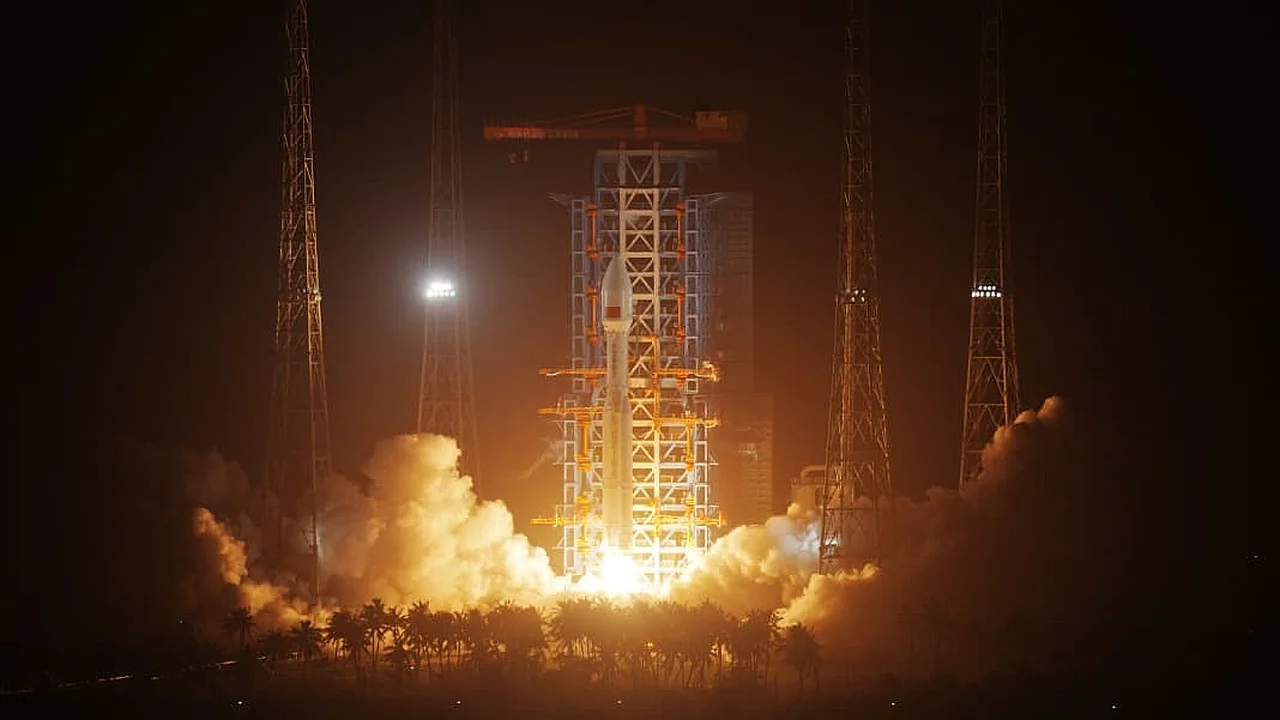
China has taken another significant step toward building its global satellite internet network. A new batch of satellites for the Qianfan (also known as "Thousand Sails") project was successfully launched into orbit from the Wenchang commercial spaceport on Hainan Island in the southern part of the country. This project is seen as a major competitor to the Starlink system owned by the US-based SpaceX. This is reported by Ixbt.com reports .
The launch took place at 21:43 local time using a Long March-8A carrier rocket. According to ixbt.com, this is the 15th batch of satellites in this series, and all units have been successfully placed into their designated orbits. This mission fully aligns with China's strategic goals for space exploration and the development of the digital economy.
Advantages of low-orbit communication
The Qianfan project includes tens of thousands of communication satellites operating in Low Earth Orbit (LEO). The units move at an altitude of 300 to 2000 kilometers above the Earth's surface. Such low altitude allows for a significant reduction in signal latency (ping) compared to traditional geostationary satellites (at an altitude of 36,000 km).The main task of the new network is to provide high-speed internet to regions where building ground infrastructure is difficult or economically inefficient. This includes mountainous areas, deserts, remote islands, and the world's oceans. For countries like Uzbekistan, which are landlocked and have complex terrain, such technologies could play a crucial role in improving communication quality in the future.
Competition in the global market
Currently, the Starlink system, led by Elon Musk, holds absolute leadership in the space-based internet market. There are currently over 7,000 active Starlink satellites in orbit. Through the Qianfan project, China aims to end this monopoly and ensure its own technological independence.Experts note that China's activity in this area is important not only from a commercial perspective but also from the standpoint of strategic security. For the Long March rocket series, this was the 656th mission. This figure once again proves the reliability of Chinese rocket technology and the country's immense potential for launching payloads into space.
Once the Qianfan network is fully operational in the future, it is expected to provide stable and affordable internet access worldwide. This will contribute to a decrease in prices in the global telecommunications market and push the technological race to a new level.


Comments 0
…