


South Korean and US scientists have created a robot suit that 'grows' along the human body
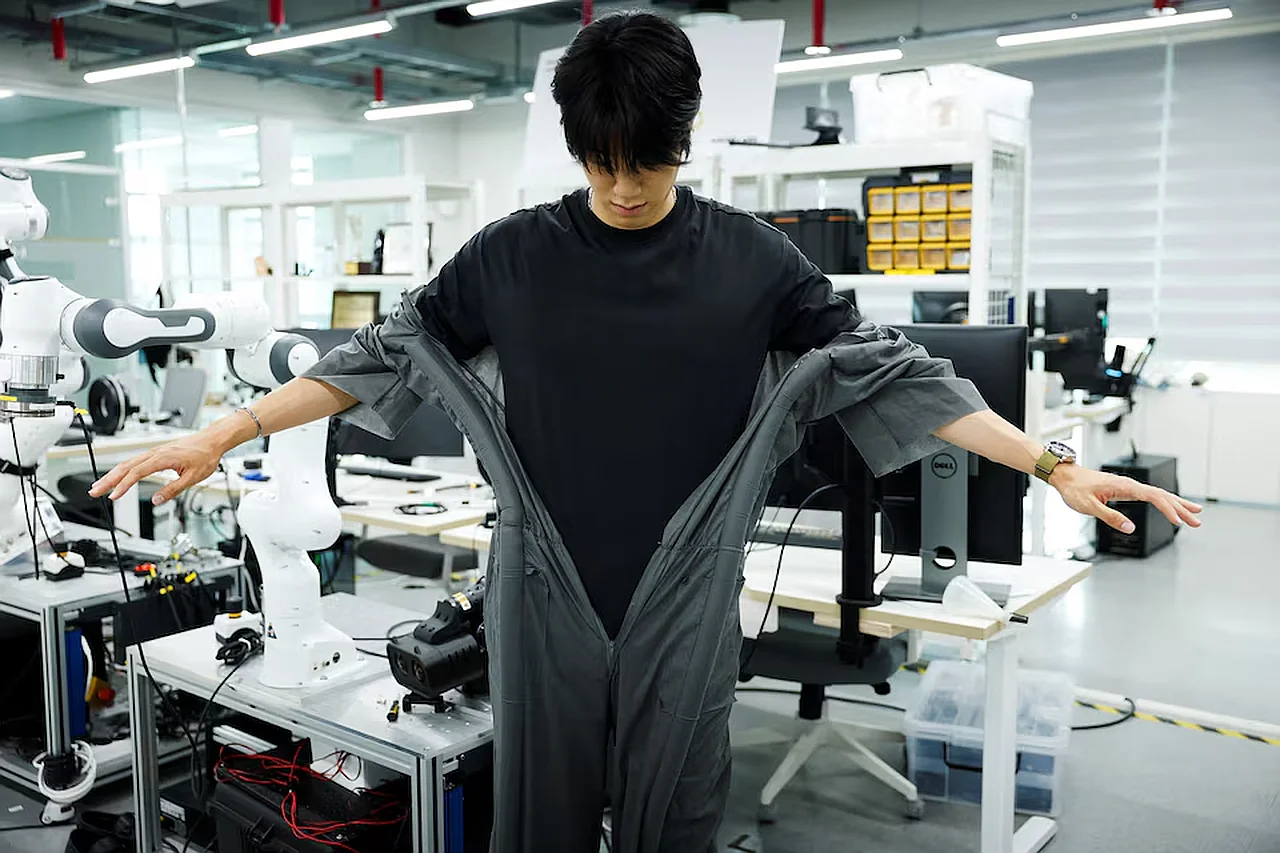
Researchers from KAIST in South Korea and Stanford University in the US have demonstrated an innovative robotic clothing technology that can be worn independently without human intervention. This development is based on the growth principles of plants, allowing the dressing process to be fully automated. This technology is important not only for daily convenience but also for ensuring safety in specialized fields. This is reported by Ixbt.com reports .
The new technology consists of soft and flexible vine-like structures that move using pneumatic pressure. When the system is activated, the clothing fabric moves upward along the human body, much like a vine climbing a wall. According to the researchers, it takes only 10 seconds to put on an entire protective suit.
Inspiration from nature and technical capabilities
Project author Kim Nam-Jun noted that the idea came unexpectedly when he was caught in the rain while riding a bicycle. He thought about how convenient it would be if a raincoat could put itself on while he was moving. The robot-vine can climb steadily along the contours of the human body by unfolding the clothing from the inside out.The main advantage of this technology is that it does not require the user to stand still. The robot continues to perform its task even when the person is in motion. Furthermore, the system operates without complex control algorithms, making it much simpler and more reliable for everyday use.
KAIST professor Ryu Ji-Hwan explains that the robot is capable of passing through narrow gaps, adapting to the shape of the environment, and moving regardless of whether the surface is slippery or inclined. These features allow the robotic clothing to be used in various complex conditions.
Fields of application and prospects
The researchers have identified several key areas for this invention:- Assisting elderly people and individuals with disabilities in dressing;
- Rapid donning of sterile clothing by workers in semiconductor 'clean rooms';
- Hands-free donning of special protective gear for emergency service personnel;
- Providing convenience for athletes and tourists in adverse weather conditions.


Comments 0
…