


China to Launch Mars Sample Return Mission in 2028
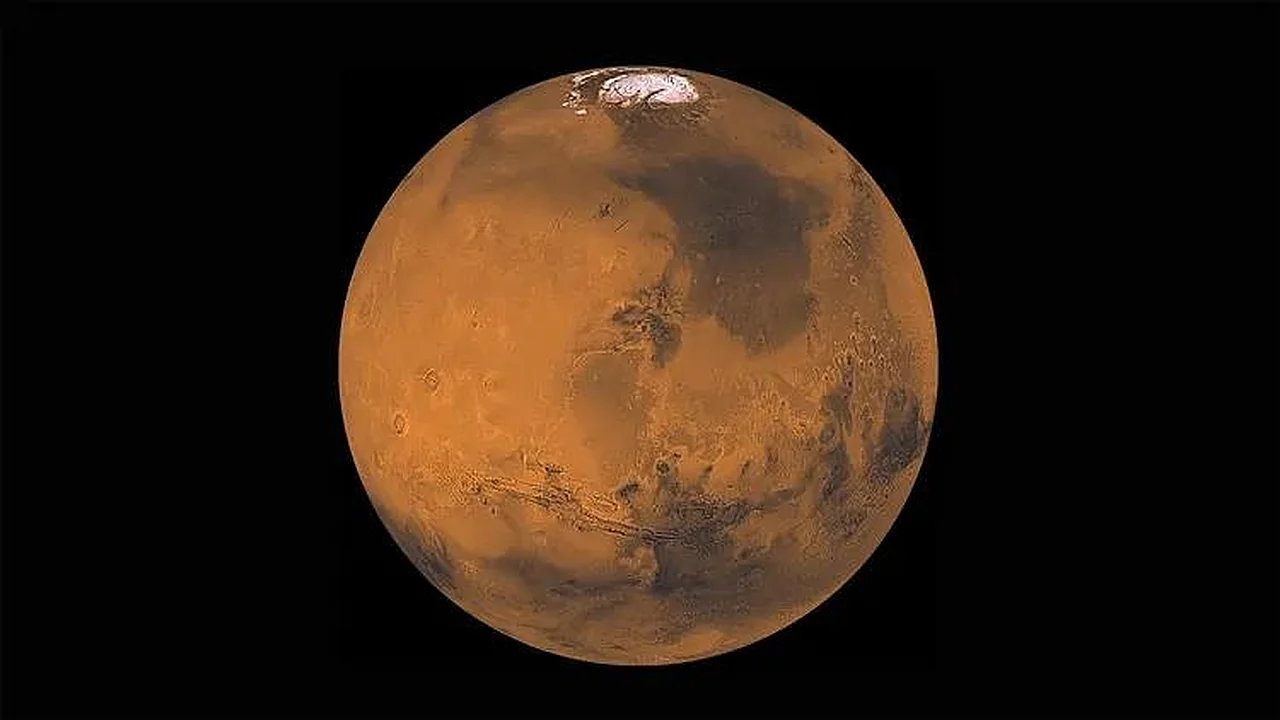
China is making serious preparations for the Tianwen 3 mission, one of the most complex interplanetary projects in its history. According to ixbt.com, this ambitious initiative aims to bring approximately 500 grams of soil samples from the Red Planet back to Earth. If successful, this scientific milestone is expected to open a new chapter in the history of space exploration. This is reported by news source.
According to expert estimates, the main launch phase of the mission is scheduled for late 2028. This period offers the most favorable astronomical window for a flight to Mars. To execute the project, China intends to use two heavy-lift Long March 5 rockets from the Wenchang Spacecraft Launch Site on Hainan Island. The hardware is currently in the prototype development stage.
Scientific Goals and Exploration
As noted by Hou Zengqian, chief scientist of the Tianwen 3 project, the primary objective is to find traces of ancient life on Mars. Scientists will search for signs of microorganisms that may resemble early organisms on Earth. At the same time, researchers do not rule out the possibility of finding biological traces that emerged independently of Earth's evolutionary path.The landing site has not yet been finalized, with a decision expected by the end of 2026. Selection criteria include the geological age of the surface, evidence of past water, and conditions favorable for life. In parallel, experts are creating a new-generation geological map of Mars.
Planetary Protection and Laboratory Research
Special attention is being paid to planetary protection during the project. A specialized laboratory is planned to be built in Hefei, China, to analyze the returned samples. This facility must ensure dual protection: preventing contamination of Martian soil by terrestrial organisms and preventing the release of potentially hazardous components into Earth's biosphere.China has stated that it will strictly adhere to COSPAR planetary protection guidelines throughout the program. Without such measures, research results regarding the discovery of life could be questioned. The laboratory will handle the opening of soil containers, processing, analysis, and biological risk assessment.
If all plans are executed on schedule, Tianwen 3 could become the first successful mission to bring material directly from the Martian surface to Earth. With NASA's similar program currently facing uncertainty, experts view this as a significant turning point in the space race. Even if no traces of life are found, the samples will serve to deepen the study of the planet's geological history and climate change.


Comments 0
…