


China unveils project for orbital supercomputer with 1080 satellites
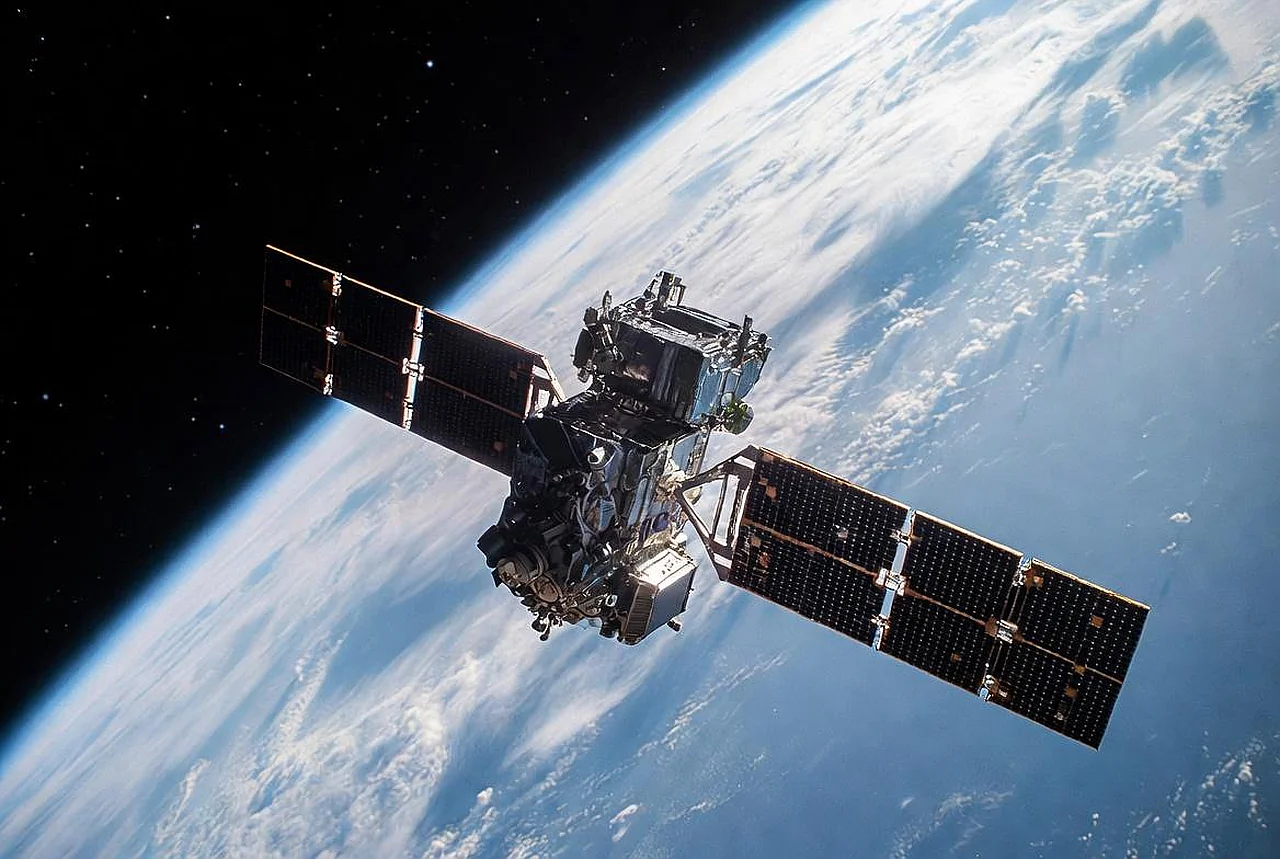
A project for the massive Space String orbital computing network, designed to run AI models and process data directly in space, has been unveiled in China. According to ixbt.com, this initiative aims to integrate over 1080 satellites connected via laser links into a unified system, marking a significant step in space technology. This was reported by Ixbt.com reports.
The new project was presented on September 25. It is being developed by Enceladus and Eastlink, companies that previously participated in creating the Three-Body computing group. Under the distribution, Eastlink is responsible for system architecture and operations, while Enceladus handles AI technologies and the project's international development.
The core concept of the Space String project is to aggregate the computing power of numerous satellites into a single system. Currently, most spacecraft operate only within their own resources. In the new architecture, if a satellite lacks the CPU power to complete a complex task, it can offload the work to other units.
Two-tier structure of the orbital group
According to the plan, the new space group will be divided into two distinct tiers. The first tier includes over 720 satellites designed for data collection and processing. These units will observe the Earth and perform practical tasks while running pre-trained AI models directly in orbit.The remaining 360+ satellites will serve as the group's dedicated computing center. They are designed for AI training and will be equipped with more powerful hardware. Experts plan to place these units in a sun-synchronous orbit, with the possibility of increasing the number of computing satellites if necessary.
Laser communication and phased development
All units will be connected via high-speed laser links. This allows satellites to exchange large volumes of data and distribute calculations among themselves. As a result, the spacecraft will not need to send all raw data to Earth, but will instead use AI to perform preliminary analysis in orbit, sending only the necessary results.The Space String network will be built in stages. Initially, the G1 experimental satellite will be created, followed by the G2 standard platform and finally the high-performance G3 unit. Experience from each generation will assist in developing the next stage. The first test unit is scheduled for launch in Q4 2027, while the full constellation of over a thousand units remains a long-term project.


Comments 0
…