


Scientists Created a New Material as Strong as Concrete and Ten Times Stronger Than Ice
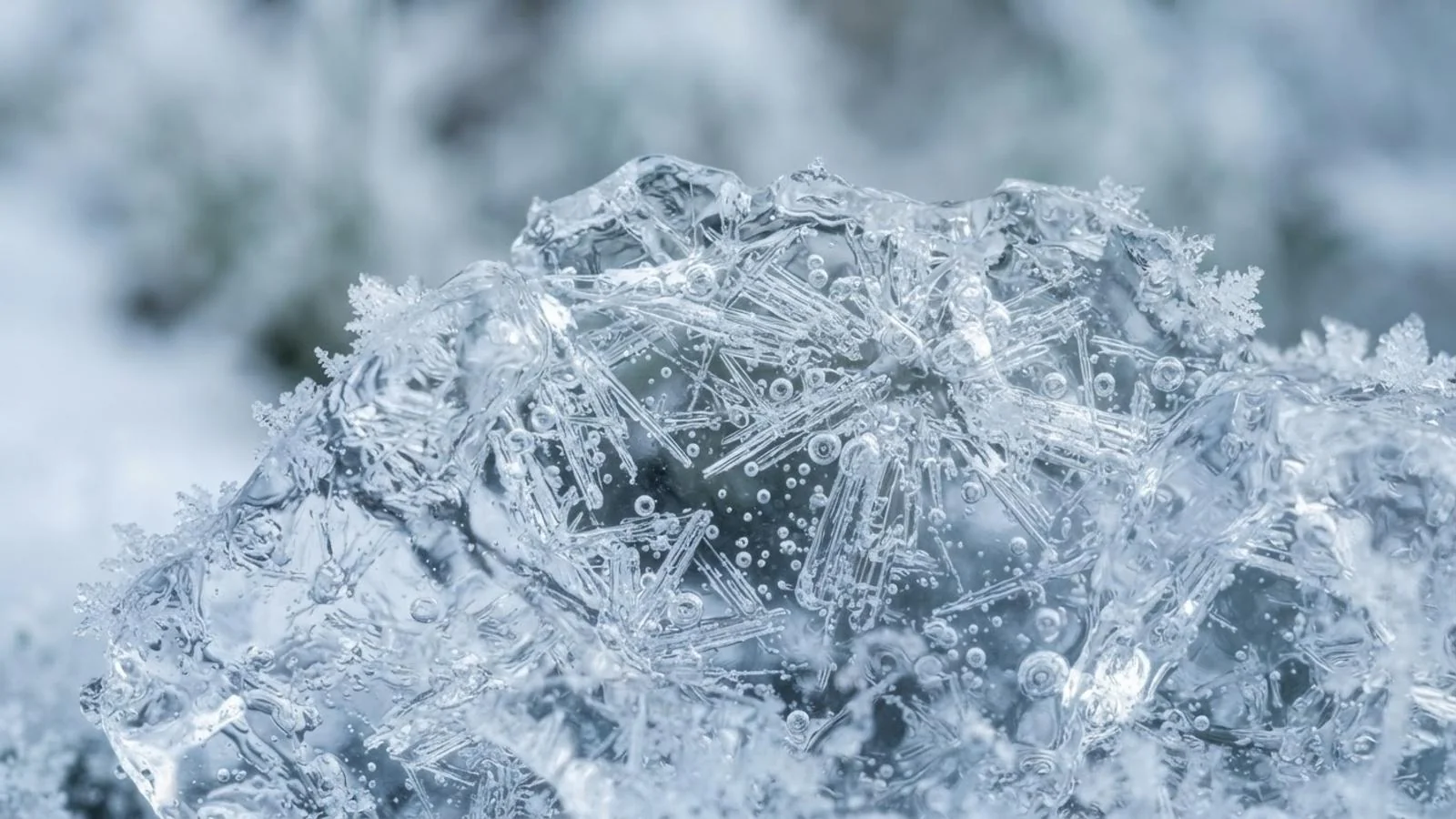
Researchers at the Hebrew University of Jerusalem have developed a unique composite material that is ten times stronger than ordinary ice and capable of absorbing seventy times more energy. According to ixbt.com, this innovative development, called BioPykrete, can compete with traditional concrete in terms of durability and could revolutionize construction in extreme cold climates in the future. This is reported by Ixbt.com .
The idea of reinforcing ice is not actually new. During World War II, scientists experimented with a material called Pykrete, which consisted of a mixture of ice and wood cellulose. At the time, this mixture proved stronger than ordinary ice and melted more slowly. Today, modern science has succeeded in further refining this concept at the molecular level.
Nanotechnology and molecular glue
In the process of creating the new material, researchers added cellulose nanocrystals—extremely small and hard particles derived from natural plant raw materials—to the composition. During the water freezing process, these particles form a unique three-dimensional network within the ice structure. Scientists then used a specially developed protein that binds the ice and cellulose firmly together.This protein acts as a unique molecular glue that tightly connects the various parts of the material. Laboratory test results show that BioPykrete is about ten times stronger than ordinary ice in resisting compression, reaching a level comparable to concrete. The material does not shatter instantly; instead, it deforms and absorbs a massive amount of energy before failing.
Applications and prospects
The researchers emphasize that this protein played a decisive role in strengthening the structure. By adding it, the material's strength and energy absorption capacity increased by nearly twofold compared to a simple ice-cellulose mixture prepared without molecular bonds. This expands the possibilities for creating alternative construction materials in the future.Experts plan to use BioPykrete primarily for construction work in remote regions such as the Arctic and Antarctica. Delivering concrete, steel, and other heavy construction materials to such cold regions is very complex and expensive. Since it consists mainly of water and plant cellulose, this material could become an eco-friendly alternative for building temporary structures in extreme cold.
We are still far from building houses and large buildings out of this ultra-strong ice. BioPykrete remains an experimental material, and scientists need to study its properties for long-term use. In particular, the material's resistance to repeated freeze-thaw cycles and how well it maintains its shape under constant load must be thoroughly tested.


Comments 0
…