“China living in the year 2100”: the flying car and the phenomenon of the “country from the future”
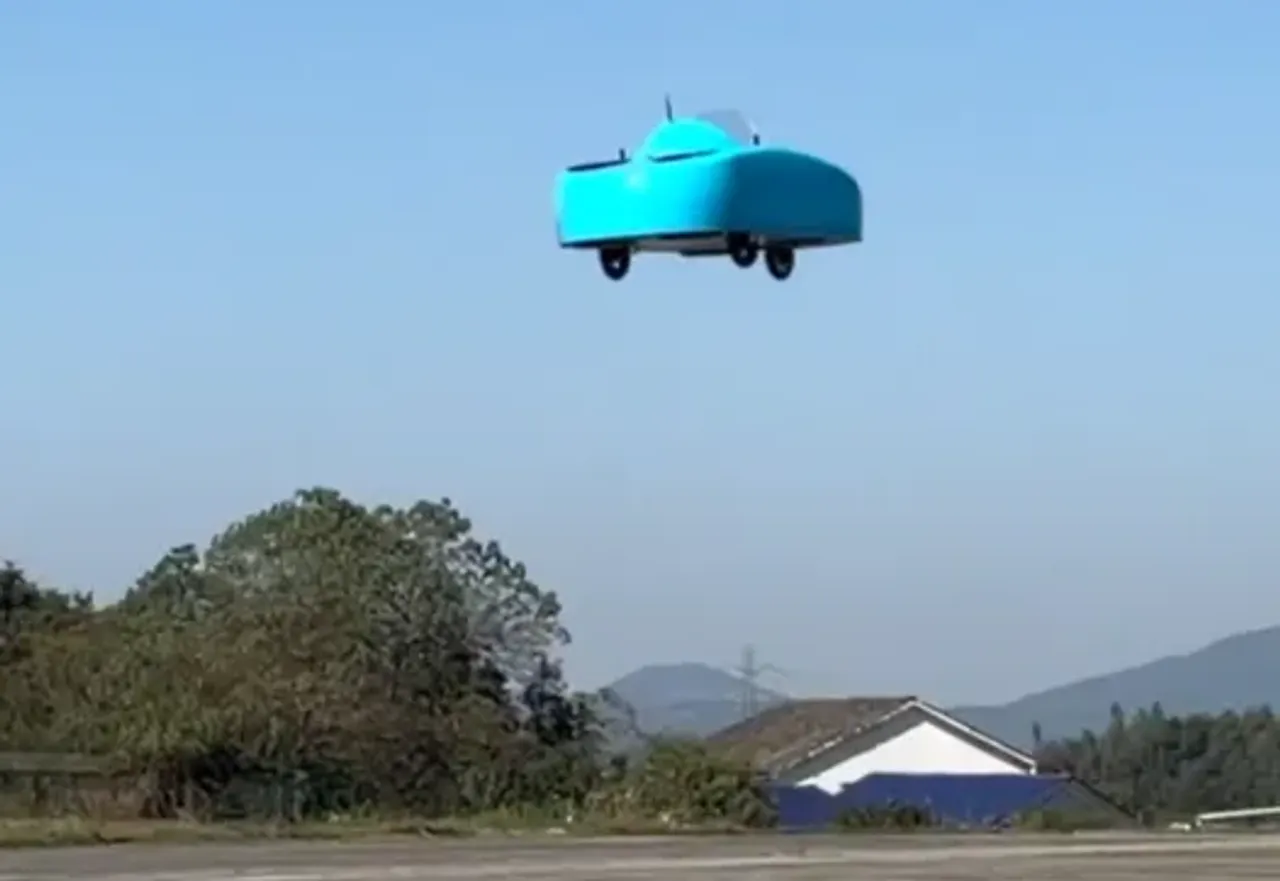
A wingless flying car has been successfully tested in China. This new generation of transport can travel at 150 km/h in the air and 80 km/h on the ground. With a flight range of 300 km, this device will have the capacity to carry up to 15 passengers in the future.
Innovations like this have become the latest confirmation of the metaphorical phrase “China living in the year 2100”, which is frequently mentioned on social media and in international media. Although the country is actually living in step with the present day (2026), it is often described as a “country from the future” due to the speed at which technology, infrastructure, and digital services are being mass-implemented into daily life.
Why does China give the impression of “living in the future”?
Sector and direction | Technological capabilities and appearance in daily life |
Digital payments and “super-apps” | Cash and plastic cards have almost gone out of circulation. Everything from shopping to calling a taxi, booking a doctor's appointment, and accessing government services is handled via WeChat and Alipay; payments are made in seconds by scanning a face or palm print. |
Robotics and artificial intelligence | Robots provide services in large hotels, driverless robotaxis operate on the streets, and food and parcels are delivered by drones and autonomous robot couriers. |
Futuristic transport and infrastructure | The world's largest high-speed rail network, traveling at speeds of 350–400 km/h, as well as multi-level overpasses in cities like Chongqing and subway lines passing through buildings, are reminiscent of science fiction films. |
“Smart Cities” | In megacities, traffic, security, and ecology are managed through artificial intelligence; traffic lights are adjusted automatically based on congestion. |
Green energy and electric vehicles | A global leader in the production and use of electric vehicles; a large portion of urban transport is electrified, and solar and wind farms occupy vast areas. |
The real situation and demographic projections for the year 2100
At the same time, according to scientific research and international organizations, China's actual appearance in the year 2100 may differ significantly from today:
Population decline: According to projections by the UN and other think tanks, due to falling birth rates and an aging population, China's population is expected to decrease from the current 1.4 billion to 600–800 million people by 2100.
Fully automated economy: To compensate for labor shortages, it is assumed that the country's economy will transition to a fully robotized system reliant on artificial intelligence.
Do you think wingless flying cars and robotaxis will become common means of transport in cities around the world within the next 5–10 years?
Leave your thoughts in the comments and share this news immediately with your loved ones who are following the most interesting innovations in the world of modern technology and future transport!
Next story


No ads with a subscription
Zamin Premium — 4 900 UZS a month


Related news


Comments0
…