


A new system instead of «General Medicine»: Revolutionary changes are beginning in medical education
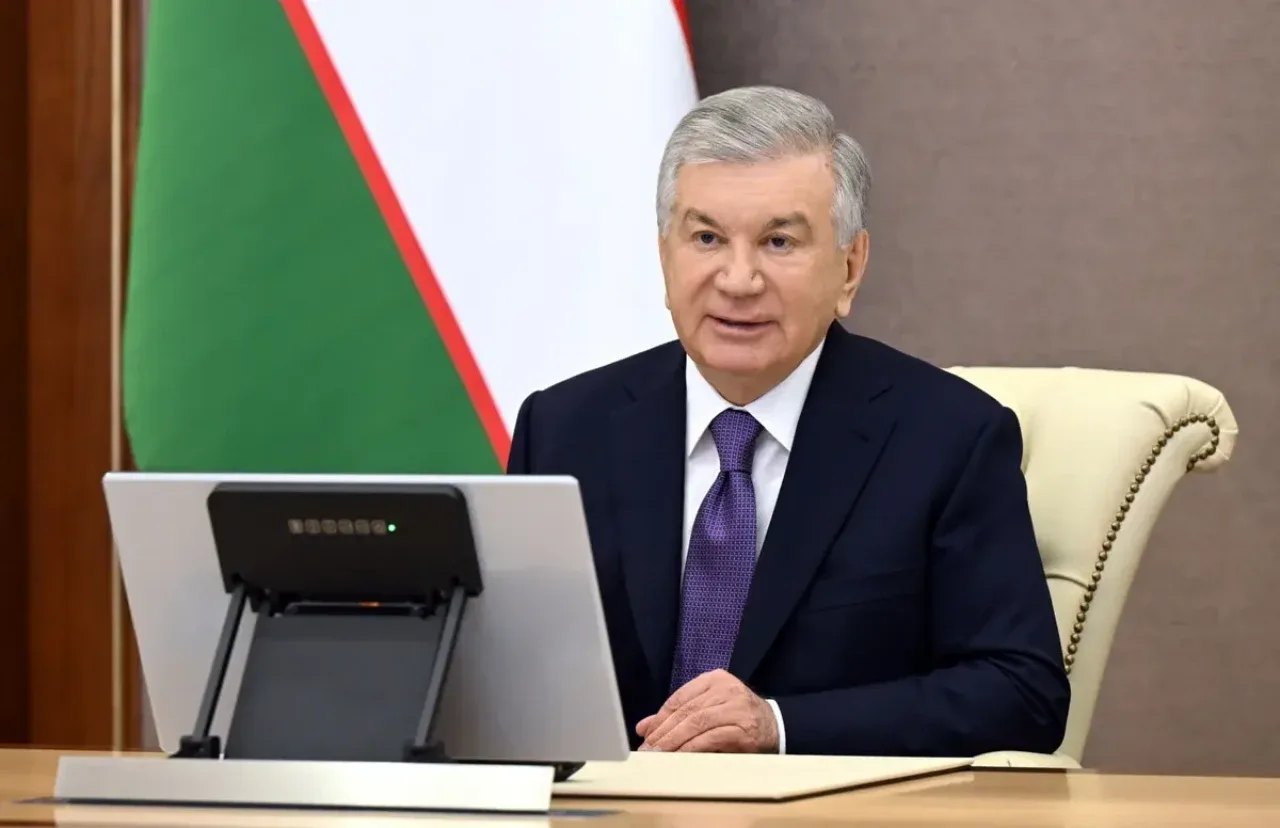
The system of personnel training in the field of healthcare and pharmaceuticals in Uzbekistan is undergoing a fundamental overhaul. On September 4, President Shavkat Mirziyoyev reviewed new proposals aimed at training specialists in the medical and pharmaceutical fields, registering them, and improving continuous professional education. These initiatives aim to bring educational standards in medicine to an international level, drawing on the experience of the world's most prestigious universities.
Experience of the world's top universities and a real shift in the admission system
A new scientific approach is being introduced into the training and selection system for future doctors:
Cambridge, Pennsylvania, and Harvard model: The new conceptual proposals were carefully developed based on the advanced recommendations of world-recognized universities such as Cambridge, Pennsylvania, and Harvard, with the participation of international and local experts;
Admission quotas tied to real needs: From now on, admission parameters to medical higher education institutions will be formed not just on the basis of a plan, but based on real personnel shortages in regions, remote districts, and hospitals;
State orders under ministerial control: State grants and orders for each direction will be approved by the Ministry of Health based on specific requirements.
Will «General Medicine» be phased out? 6-year «General Medicine» and transition to practical training
The largest changes in higher medical education directions are proposed to take effect from the 2027/2028 academic year:
«General Medicine» program: Instead of the traditional «General Medicine» direction, a 6-year «General Medicine» bachelor's degree program will be introduced;
One-year full practice: According to the new standard, after the initial five years of theoretical and clinical study, students will undergo continuous practical training for a full year in the sixth stage. Graduates who successfully complete the program will be able to start working directly as independent family doctors;
Clear boundaries of residency and master's degree: The training of practicing specialists in narrow fields will be gradually and fully transferred to residency. Residents will study and practice simultaneously in family polyclinics. The master's degree system, however, will specialize mainly in producing research and pedagogical personnel.
Status of nurses with higher education and dual education in pharmaceuticals
The reforms will also cover mid-level medical personnel and the drug manufacturing sector:
Expanding the role of nurses: The status of nurses with higher education as the doctor's primary and reliable assistants in diagnosis, implementation of treatment plans, and disease prevention will be fundamentally strengthened;
Integration into production in pharmaceuticals: Education in the pharmaceutical field will be directly linked to plants and laboratories. Dual education based on enterprise orders will be expanded, allowing students to directly participate in the development of new drugs, laboratory analysis, quality control, and standardization processes.
According to experts, the introduction of a 1-year continuous internship in the training of doctors and tying admission parameters to real needs will serve to sharply increase the level of quality in medicine.
In your opinion, how effective will a one-year full internship system before graduating from university be in improving the skills of future doctors? What should be paid attention to first in order to improve the quality of service in family polyclinics? Share your thoughts in the comments!



Comments 0
…