


Negotiations between Shavkat Mirziyoyev and Aleksandar Vučić concluded: Free trade, labor migration
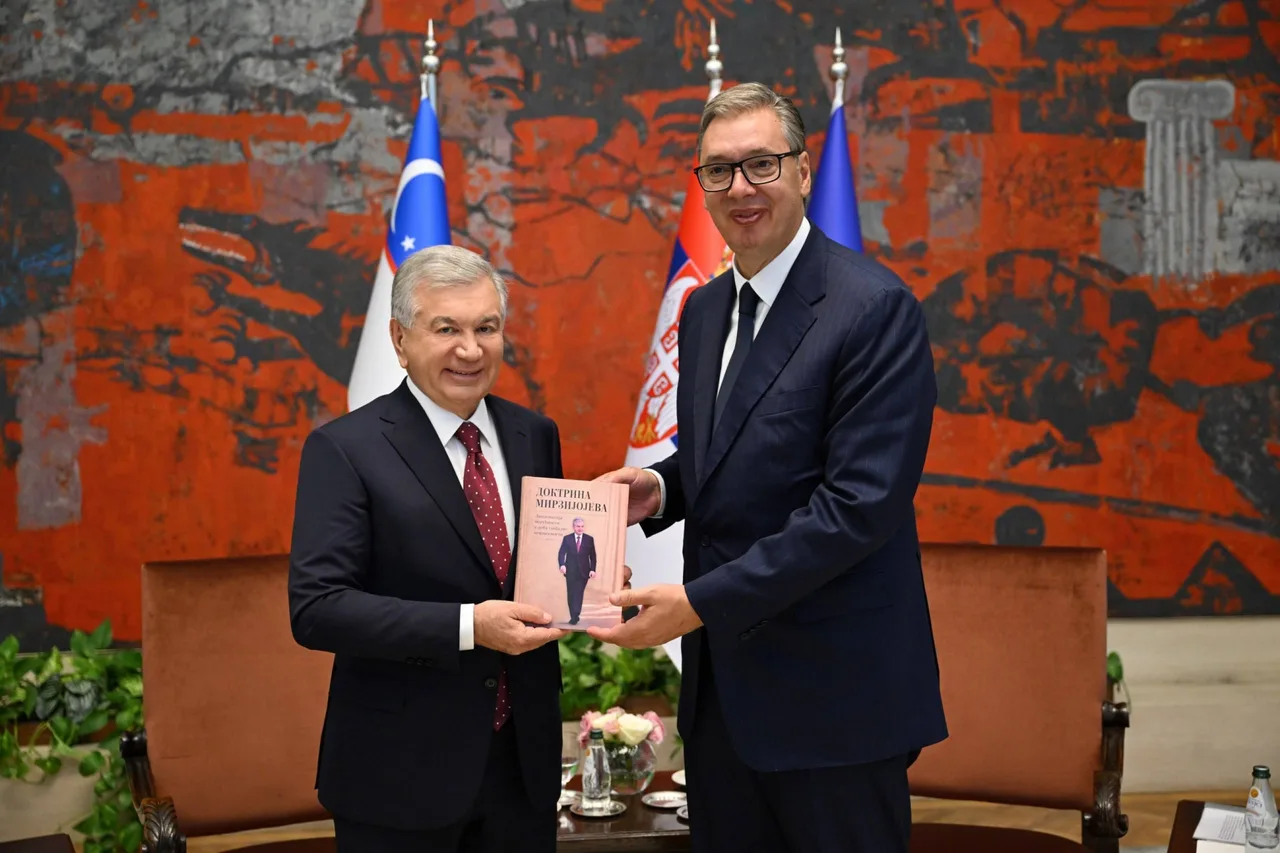
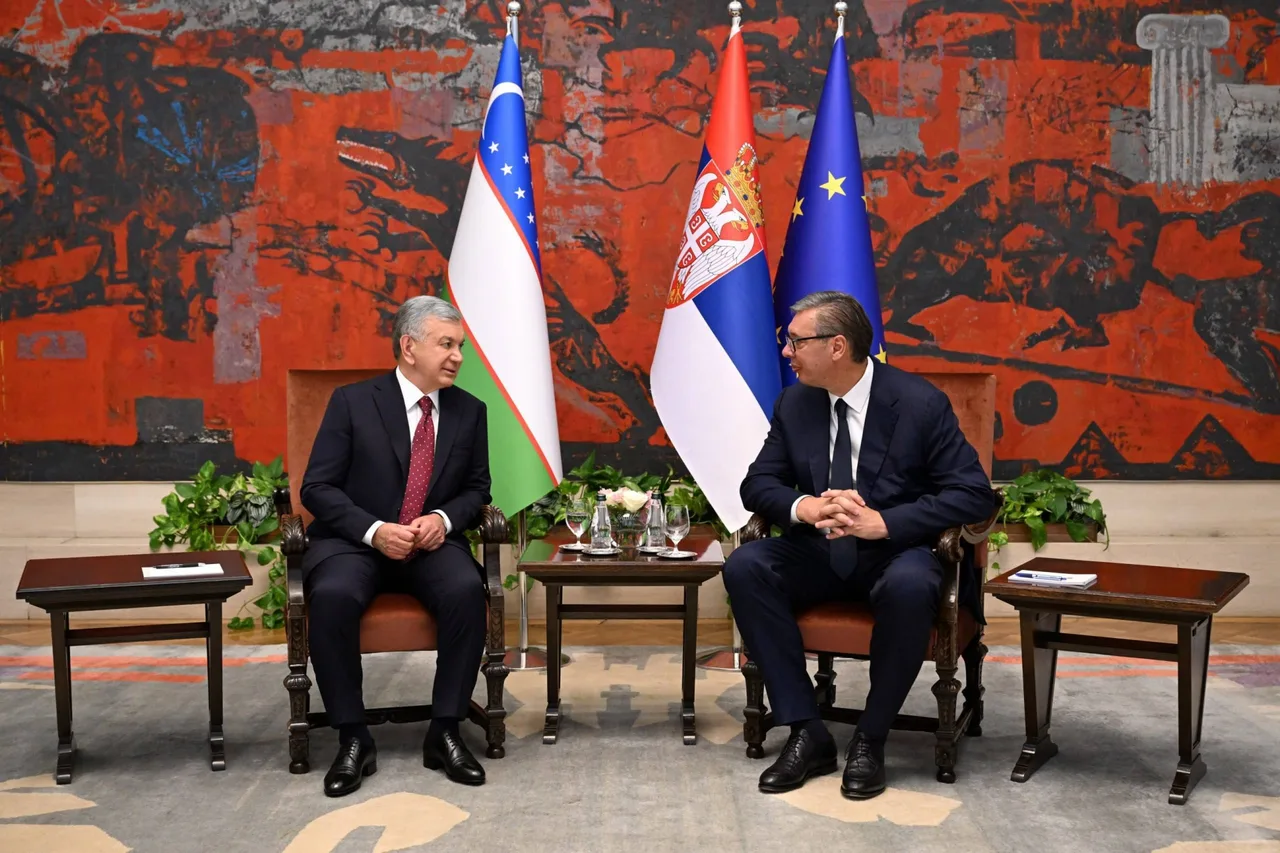
At the magnificent Palace of Serbia in Belgrade, face-to-face and expanded-format official negotiations took place between the President of the Republic of Uzbekistan Shavkat Mirziyoyev and the President of the Republic of Serbia Aleksandar Vučić. This historic meeting is the Uzbek leader's first visit to Serbia and is assessed as a turning point elevating relations between the two countries to a strategic level. The parties reached a number of important agreements on fundamentally expanding cooperation in political, trade-economic, and cultural-humanitarian fields. So, what new economic directions were outlined at the high-level meeting, what changes are expected in labor migration, and how will trade barriers be eased? At the end of the article, we will reveal the main intrigue — all the details of the achieved strategic agreements and the comprehensive "roadmap" to be adopted for implementation.
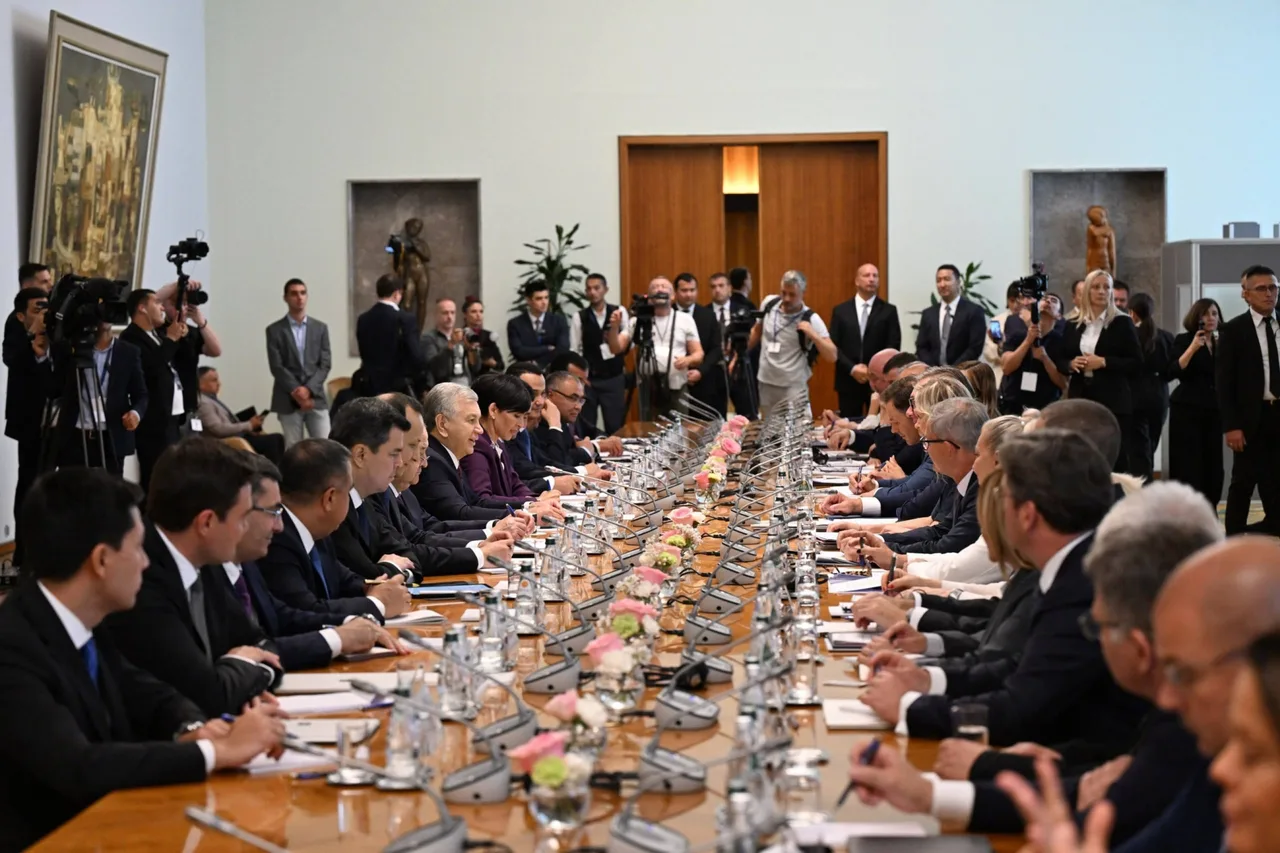
Political dialogue and a new stage of trade and economic relations
The leaders of the two states agreed to further strengthen the foundation of cooperation:
Diplomatic and interparliamentary steps: It was noted that diplomatic missions will be opened in the capitals of both states in the future and the activity of an interparliamentary forum will be established;
Free trade agreement plan: To rapidly increase the volume of mutual trade, it was determined to expand the supply of high-demand products, draft a Free Trade Agreement, and establish a solid partnership in the field of standardization;
Exhibitions and forums: The first meeting of the Intergovernmental Commission was successfully held just the other day, and today a joint business forum with the participation of leading entrepreneurs will be organized;
"EXPO-2027" international arena: It was noted that next year Uzbekistan will actively participate with its national pavilion at the prestigious exhibition to be held in Belgrade.
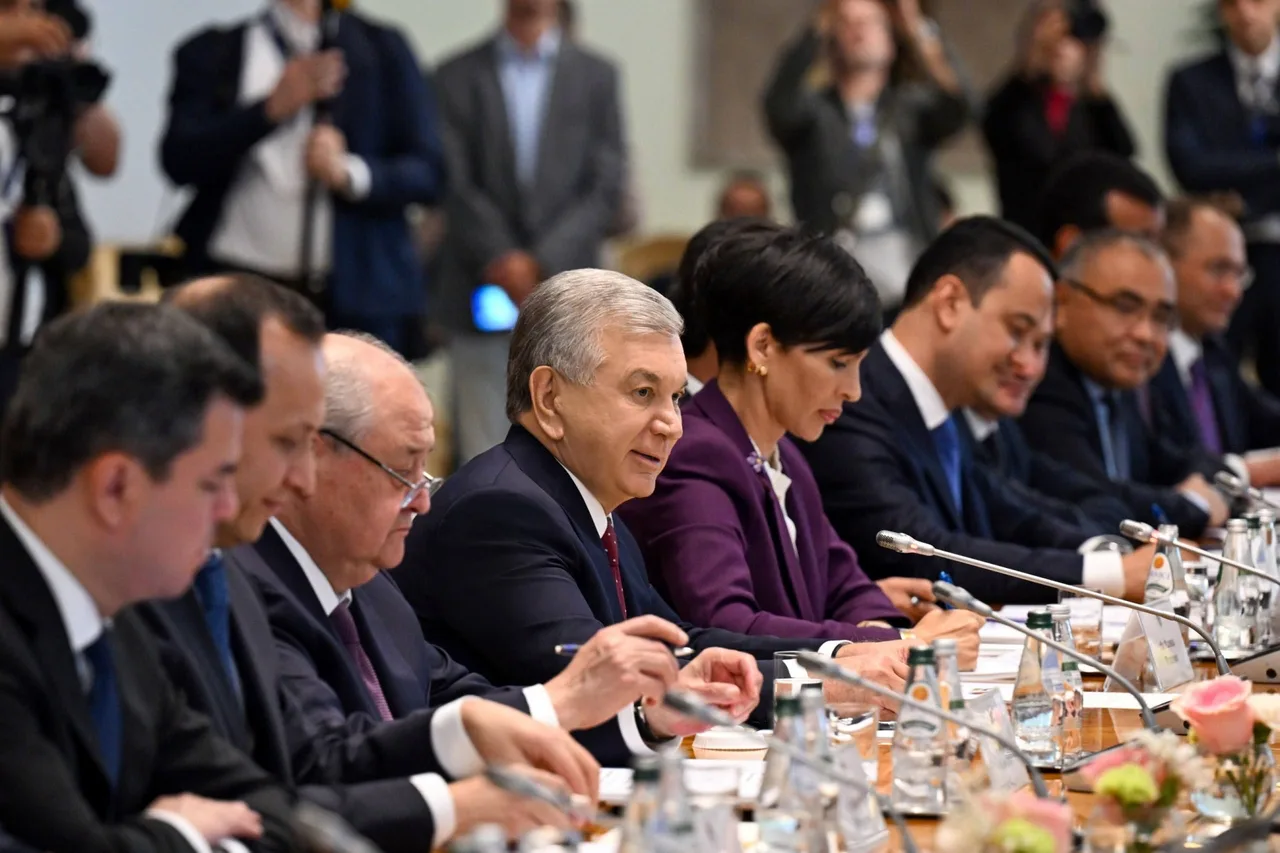
Industrial cooperation and direct ties between regions
Specific actions were outlined in the fields of manufacturing and transport:
Priority sectors: New joint projects in transport and logistics, food and light industry, agriculture, pharmaceuticals, and the digital economy were reviewed;
Important action plan: To develop cooperation in the production of automotive parts, special equipment, and electronics, a joint action plan for industrial partnership for 2026-2028 was adopted;
Interregional ties: Direct practical ties were officially established between the Samarkand region and Vojvodina, as well as between the cities of Samarkand and Novi Sad.
"The first visit of the President of Uzbekistan to Belgrade has opened a new page in the friendship and multifaceted partnership between our countries," it was emphasized at the end of the negotiations.
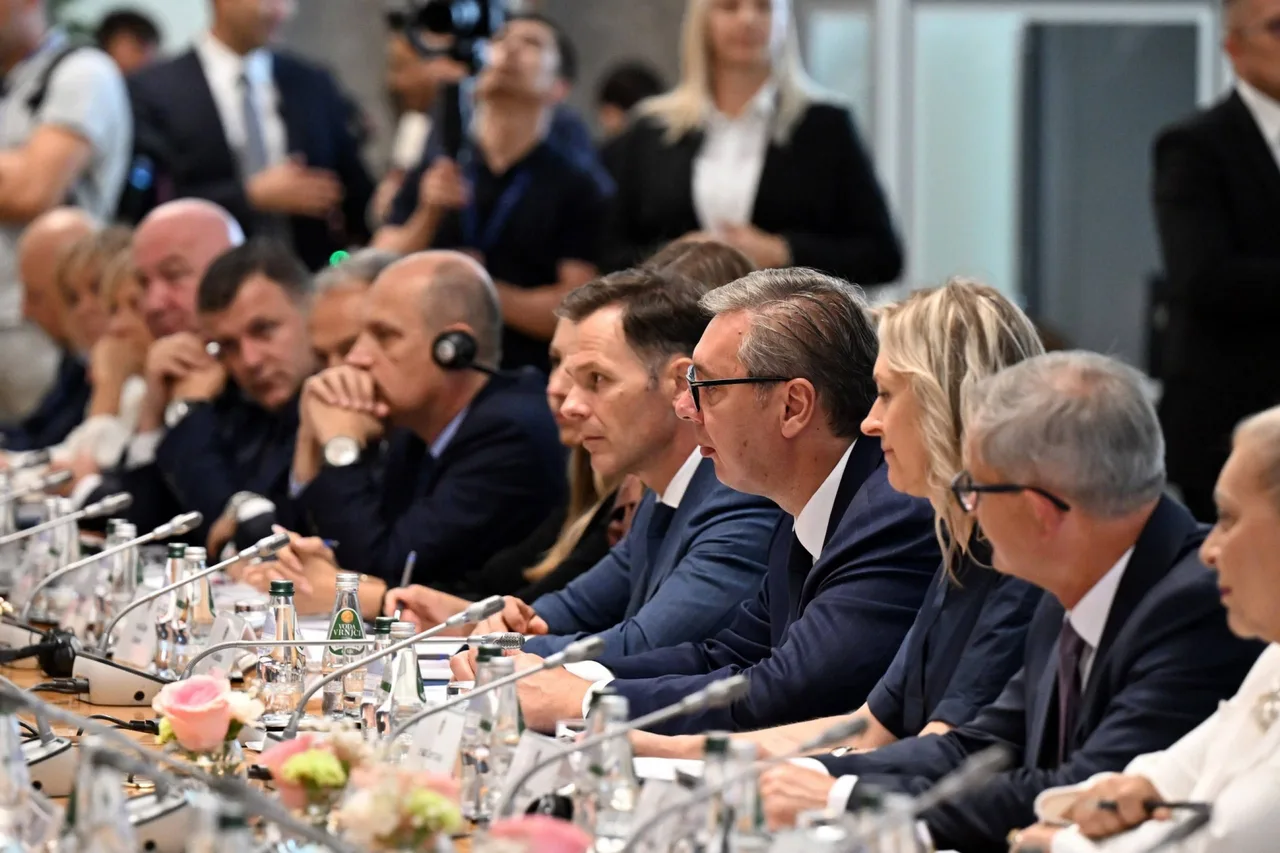
Labor migration and cultural-humanitarian initiatives
Historical documents were also approved in areas of direct relevance to the population:
Orderly labor mobility: The Serbian side expressed high interest in systematic cooperation in this area, and an Agreement on Labor Mobility and Migration was officially signed during the visit;
Cultural exchange: An agreement was reached to expand education, sports, and tourism directions, and to jointly hold cinema, theater, and music festivals;
Unanimity in the international arena: The leaders confirmed that they will continue to support each other on regional and international issues within the framework of multilateral organizations.
The main solution and implementation plan
The most pressing issue that interests many observers is that the reached agreements will not remain on paper but will be put into practice in a short time. The most important solution and conclusion is that, in order to timely and qualitatively implement every decision adopted at the Belgrade negotiations — including the free trade regime, labor migration conditions, and industrial cooperation projects — a comprehensive "roadmap" controlled by the governments of the two states will be approved.
In your opinion, what new opportunities will the drafting of the Free Trade Agreement and the establishment of orderly labor migration between Uzbekistan and Serbia provide for the citizens of both countries? How effective do you think industrial cooperation with the Balkan region will be? Leave your comments and share this important political analysis with your loved ones!



Comments 0
…