


First death caused by meat allergy resulting from tick bite
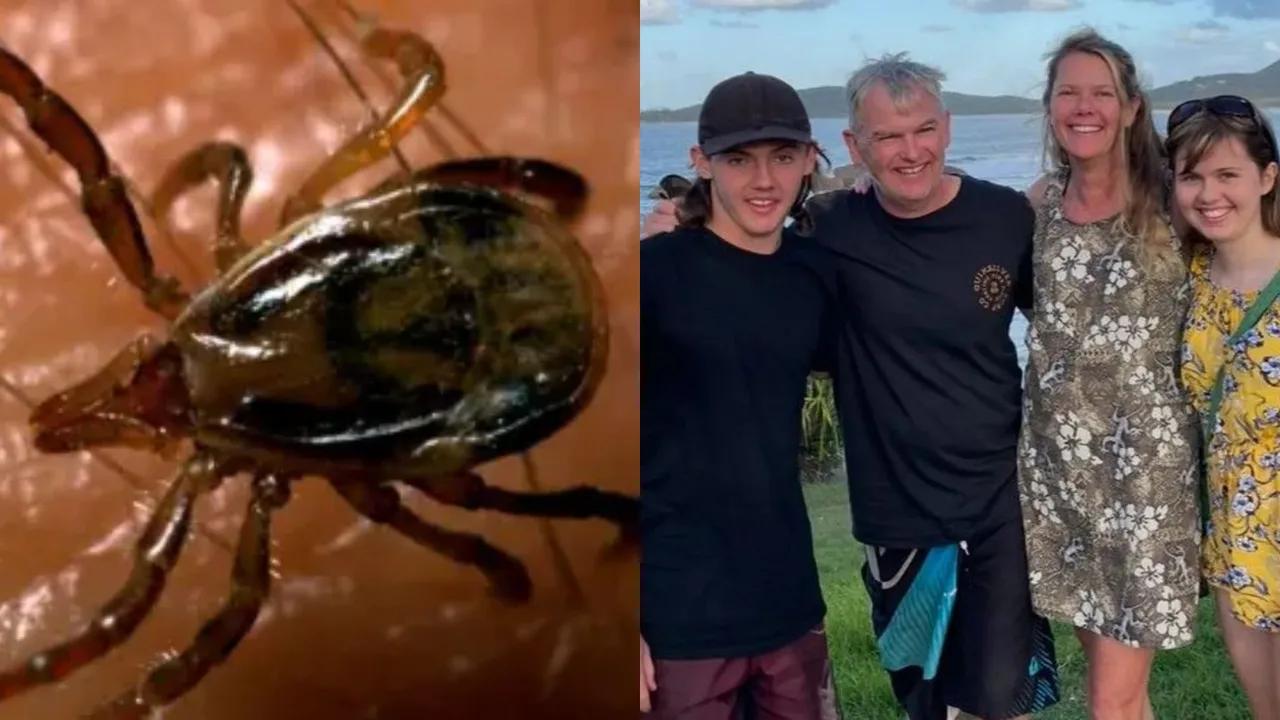
A tragic incident in Australia is prompting scientists and doctors to issue a serious warning once again about a rare but extremely dangerous allergy caused by tick bites. Experts state that if this condition is not diagnosed in time, it can pose a serious threat to life.
Mayfanwy Webb still remembers with pain the day she celebrated her son Jeremy's birthday five years ago. After the festive meal, the 15-year-old teenager began to have difficulty breathing and started vomiting. The family called an ambulance and took him to the hospital. Although doctors initially suspected a meat allergy, they later attributed the condition to his childhood asthma and discharged Jeremy.
Today, the mother says she deeply regrets that decision. She believes that if additional tests had been conducted, it would have been discovered that her son had developed life-threatening anaphylaxis and he could have been prescribed a special EpiPen injection.
A year later, in June 2022, Jeremy passed away after eating a beef sausage while on vacation with friends. Initially, the cause of death was recorded as asthma. However, after an additional investigation requested by the family, a forensic medical examination confirmed that his death was caused by an allergy to mammal meat resulting from a tick bite, known as Alpha-gal syndrome. This was recognized as the first recorded death in the world due to this syndrome.
Experts state that the link between the disease and tick bites was first identified in 2007 by Australian allergist Professor Sheryl van Nunen. Since then, the number of diagnosed patients has been increasing every year. In particular, the east coast of Australia and the USA are considered the main hotspots for this allergy.
Scientists explain that a sugar molecule in tick saliva called alpha-gal triggers the production of antibodies in the human body. Later, this causes the immune system to respond with a strong allergic reaction to the meat of mammals such as cows, sheep, and pigs.
Symptoms of the disease can range from mild rashes to abdominal pain, vomiting, swelling, and life-threatening anaphylaxis. The most difficult aspect is that the reaction can appear several hours after eating and is not always observed. Therefore, it is often mistaken for asthma or other diseases.
Experts note that in some patients, the allergy can be triggered not only by meat but also by gelatin, dairy products, cosmetics containing lanolin, and even barbecue smoke or contact with animals.
In recent years, the number of people suffering from this disease in Australia has increased sharply, growing by an average of 22 percent annually since 2020. Scientists say there are at least 5,000 suspected patients in the country, and the actual figure may be even higher.
Doctors emphasize that the greatest risk lies with people who do not know they have the allergy. This is because some medicines, vaccines, or medical preparations may contain animal products, which can cause unexpected, severe allergic reactions.
Today, Jeremy's mother hopes that her son's fate will save the lives of others. She is working with doctors to raise awareness about this allergy and improve medical protocols.
Experts are urging the public to be careful about tick bites. They recommend wearing closed clothing in nature, using repellents, checking the body thoroughly after a walk, and removing a tick correctly without crushing it if bitten. Such simple precautions can help prevent life-threatening allergies in the future.


Comments 0
…