


Ranking of the world's rainiest countries announced
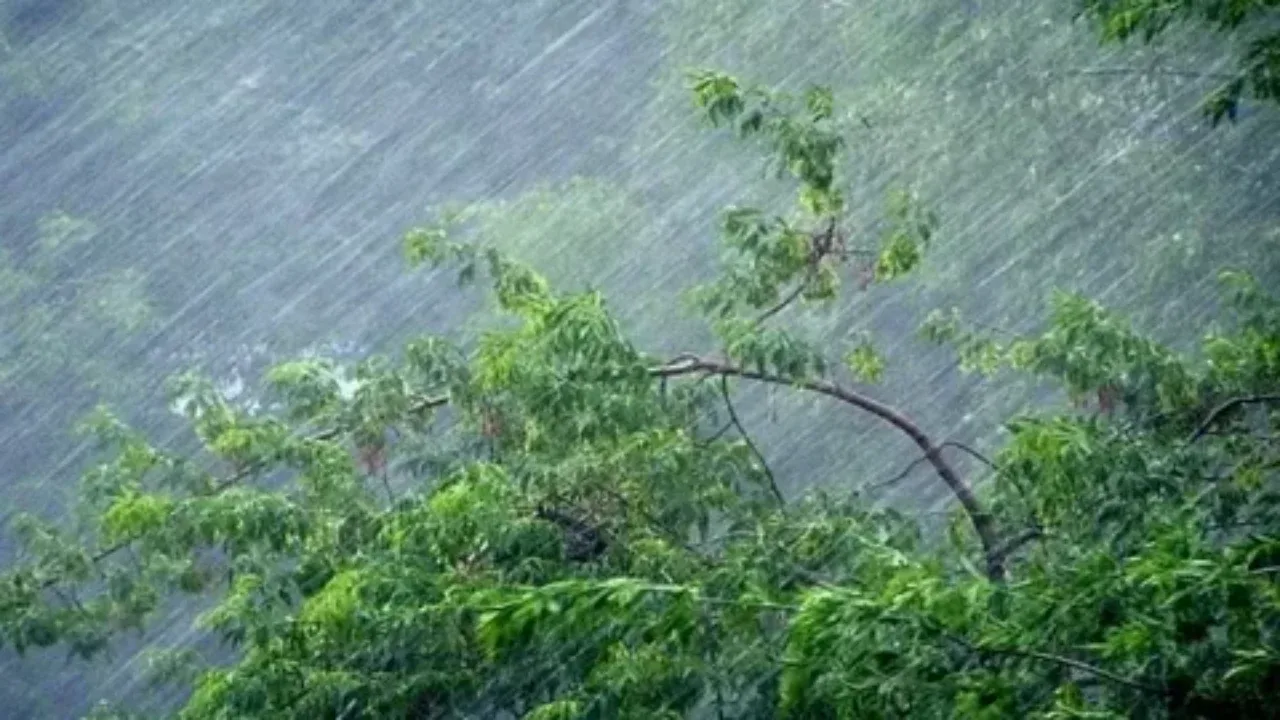
At a time when climate change and the threat of global drought are being widely discussed, international meteorological and climatological organizations have released a ranking of the planet's rainiest countries. According to the data, the unique South American nation of Colombia has been named the absolute leader in the world, with an average annual rainfall of 3,240 millimeters. So, which other countries made the top three, which is the only African representative, and why is India, home to the world's rainiest spot, not at the top of the list?
Below, we will take a detailed look at the Earth's wettest regions, nature's unique climate wonders, and the geography of rainy countries.
1. The absolute leader: 3,240 mm of rain per year and Colombia's climate contrast
Colombia's top position in this ranking is no coincidence, but it does not mean the entire country experiences the same amount of rain. This figure is not for a specific point in the country, but rather the average annual value calculated across the entire national territory is considered.
Average annual amount: 3,240 millimeters;
Climate diversity: Colombia's territory is rich in natural contrasts. While one part of the country features dry and hot savannas, the Pacific coast and the Amazon basin are dominated by incessant downpours and humid tropical forests.
This unique geographical location—the collision of air currents from two oceans (Atlantic and Pacific) and the Andes Mountains—has made Colombia the wettest country on the planet.
2. The top three: Africa's only gem and an Oceania giant
Two other exotic regions have joined the podium of the world's rainiest countries:
2nd place — São Tomé and Príncipe (3,200 mm):
Located in the Gulf of Guinea, this small African island nation took second place with 3,200 millimeters of rainfall per year. Most surprisingly, in these islands, the rainy season lasts almost 9 months. São Tomé and Príncipe is the only African country to make it into the top 10 rainiest countries in the world.3rd place — Papua New Guinea (3,142 mm):
Located in the southwestern Pacific Ocean, this vast country receives an average of 3,142 millimeters of rainfall per year. Constant rains and dense jungles here have ensured the maximum preservation of biodiversity.
3. Geography of rainy countries: Which regions live underwater?
The analysis of the ranking shows that the planet's rainiest countries are mainly concentrated in three major geographical regions:
Maritime regions of Southeast Asia: Living under monsoon rains and humid ocean winds, Indonesia, Brunei, and Malaysia occupy high positions.
South Pacific region: In addition to Papua New Guinea, many archipelagos consisting of Samoa and the Solomon Islands are also considered zones of incessant rainfall.
Central American belt: Connecting two continents and rich in tropical forests, neighboring Costa Rica and Panama have secured a firm place in the top ten wettest countries.
4. The "India Paradox": Why is the wettest spot there, but the country not in the ranking?
A fair question arises for many geography enthusiasts: why is India, home to the world's most famous rainy place, not among the leaders of this list?
The fact is that the village of Mawsynram located in India's Meghalaya state, is indeed included in the Guinness World Records as the wettest inhabited place on Earth (averaging over 11,800 millimeters of rain per year).
However, the provided global ranking is not based on the indicator of a single city or mountainous area, but on the average rainfall across the entire national territory. India's territory is very large, and due to the presence of vast arid steppes, the Thar Desert, and central plateaus with low rainfall, the overall national average has dropped significantly.
Conclusion and public opinion
Colombia and other tropical countries receiving more than 3,000 millimeters of rain per year are the true "lungs" of our planet and huge sources of fresh water. While such heavy rainfall provides green nature and vast forests on one hand, it causes regular risks like landslides and floods on the other.
In your opinion, is it comfortable to live in a permanently rainy and humid climate, or are sunny and dry regions preferable? Where have you experienced the heaviest and longest-lasting rainfall? Leave your thoughts in the comments!



Comments 0
…