


Netanyahu visits Gaza, announces 60 percent of territory captured
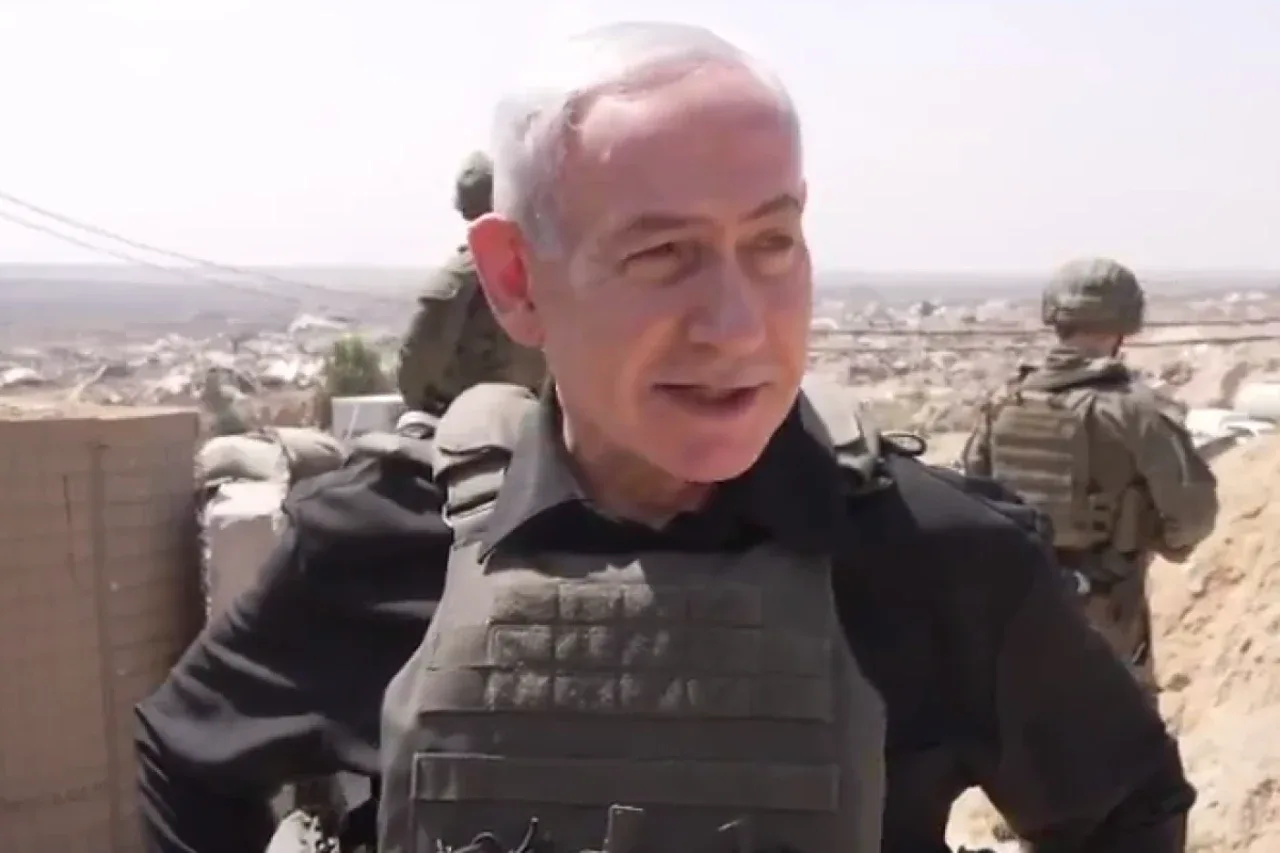
Amid the volatile situation in the Middle East, Israeli Prime Minister Benjamin Netanyahu personally visited the Gaza Strip and made an important strategic statement regarding the future of military operations in the enclave. The head of government firmly emphasized that the Israel Defense Forces (IDF) currently have full control over a large part of the territory and will never withdraw from the captured lines.
This open statement has made the prospects for negotiations on a ceasefire and troop withdrawal, expected by the international community, even more uncertain.
«This is not the final figure»: Key statements by the Prime Minister
Netanyahu, who inspected the positions of Israeli soldiers in the Gaza Strip, disclosed figures regarding the scale of operations and the results achieved:
60 percent of the territory: «Israel now fully controls 60 percent of the Gaza Strip, and this is not the final figure,» the Prime Minister emphasized, hinting that forces could further expand the area of control;
Daily targets: It was stated that military units are continuing planned actions to eliminate terrorist groups that threaten the country's security every day;
Absolute denial of withdrawal: It was officially announced that Israeli forces will not withdraw from the captured strategic positions and security corridors under any circumstances and will not lose control.
Prospects for negotiations and long-term military presence
Netanyahu's position on not leaving Gaza clearly shows Israel's intention to maintain long-term security control over the enclave:
Military buffer zones: According to experts, the 60 percent area under control includes strategic corridors, border buffer zones, and important transport arteries;
Diplomatic conflict: The long-term truce plan proposed by international mediators — the US, Egypt, and Qatar — envisaged the gradual withdrawal of Israeli troops from the sector. Netanyahu's harsh rhetoric indicates that Tel Aviv has no intention of easing military pressure.
This firm position on the situation in Gaza is expected to trigger a new wave of political tension in the region and lead the negotiation process into a further deadlock.
Do you think Israel's decision not to leave the Gaza Strip and maintain control will lead to long-term stability, or will it create a new and more intense hotbed of armed conflict in the Middle East? Leave your thoughts and conclusions in the comments!



Comments 0
…