


A Revolutionary Step in the CIS: Official Cryptobanks Registered for the First Time in Belarus
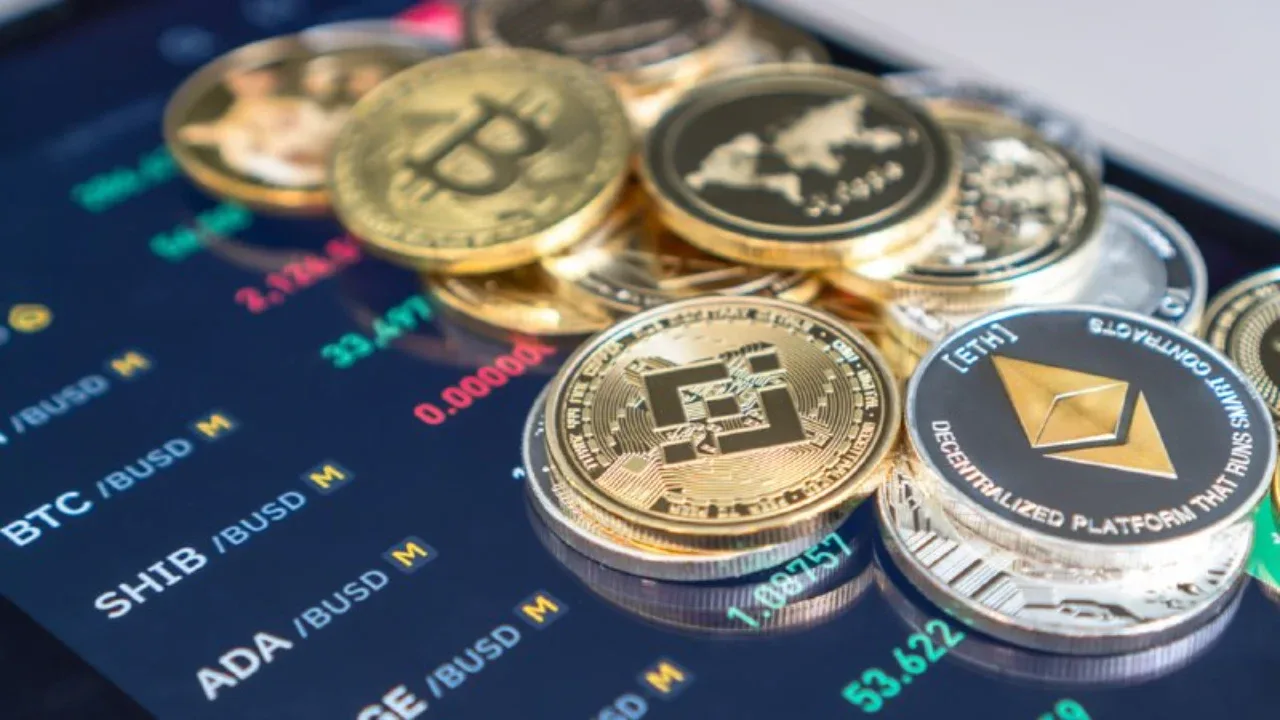
A historical precedent for the CIS region has been set in the financial and technology sector of Belarus: for the first time in the country's history, two companies have been registered as residents with the official status of a "cryptobank" at the Belarus Hi-Tech Park (HTP). This important decision was made following the results of a meeting of the Government Supervisory Board held on September 28 under the chairmanship of Prime Minister Alexander Turchin.
The head of government emphasized that in order to implement the decree of the head of state regarding the activities of cryptobanks, which entered into force in July, the legislative framework and National Bank regulations were thoroughly developed for over half a year. According to Anna Ryabova, head of the HTP Supervisory Board Secretariat, these cryptobanks will initially receive Park resident status, and in the next stage, they will undergo relevant accreditation at the National Bank and be entered into the register. As a reminder, these organizations will operate based on strict requirements established for non-bank credit and financial institutions.
"The first two cryptobanks, National Bank accreditation, and the July decree": 5 key facts
The most important official evidence regarding the legalization of cryptobanks in Belarus:
The first cryptobanks in the country's history: Two financial institutions were granted official cryptobank residency in the Hi-Tech Park for the first time;
Meeting chaired by the Prime Minister: The historical decision was officially approved on September 28 at the HTP Supervisory Board led by Prime Minister Alexander Turchin;
Two-stage legalization system: Cryptobanks first obtain HTP resident status, and then undergo accreditation at the National Bank of Belarus;
Implementation of the Presidential Decree: The decree on tokens and the crypto market, signed by President Alexander Lukashenko on January 16 of this year and entered into force in July, has been fully put into practice;
Strict financial control requirements: The new organizations will strictly comply with all state financial laws and HTP rules, similar to non-bank credit and financial institutions (NCFIs).
Classification of the establishment and legal parameters of cryptobanks in Belarus
Main indicators of the new cryptobank institution created on the basis of the HTP:
Criteria and directions | Legal and practical status | Significance for the market and region |
Registered organizations | The first 2 cryptobanks (with HTP resident status) | Full legalization of crypto assets at the banking level in the CIS region |
Legal basis and foundational document | Decree of the Head of State dated January 16 (entered into force in July) | Introduction of tokens and digital assets into a clear legal field |
Management and control mechanism | Government, HTP Supervisory Board, and National Bank | High level of state guarantee and transparency |
Stages of launching operations | 1. HTP residency $\rightarrow$ 2. National Bank accreditation | Complete elimination of risks of illegal circulation and fraud |
Regulatory standards | Legislation on non-bank credit and financial institutions (NCFIs) | Full integration with the traditional banking system and strict accountability |
Fintech and Digital Economy Expertise: Why Will This Decision Change Traditional Banks?
Conclusions of international fintech specialists, crypto market experts, and economists:
«From the “grey” zone to the state bank in the CIS»: In the post-Soviet region, most countries either impose bans on crypto assets or limit them to exchange trading; Belarus has become the first state to fully adapt crypto assets to the credit and financial system, introducing the institution of a "cryptobank" into legislation;
A bridge for investments and capital flow: Cryptobanks that are HTP residents provide international investors with the opportunity to link cryptocurrencies to official bank accounts, and receive loans and guarantees based on tokens; this can become an important support in forming alternative international settlement chains under conditions of external sanctions;
National Bank filter and security balance: The direct inclusion of cryptobanks in the National Bank's register and the imposition of NCFI requirements on them guarantee that the funds of the population and businesses will not disappear; this experience can serve as a ready practical model for creating digital bank models in Uzbekistan and other Central Asian countries in the future.
Do you think the emergence of cryptobanks will squeeze out traditional banking services, or will they remain a niche specialized institution only for digital asset holders? Is there a need to open similar cryptobanks in Uzbekistan as well? Leave your personal opinions in the comments and share this analysis of the historical event in the fintech world with everyone interested!



Comments 0
…