


Pentagon Signs $21 Billion Contract: Is a Weapons Shortage Beginning in the US Army?
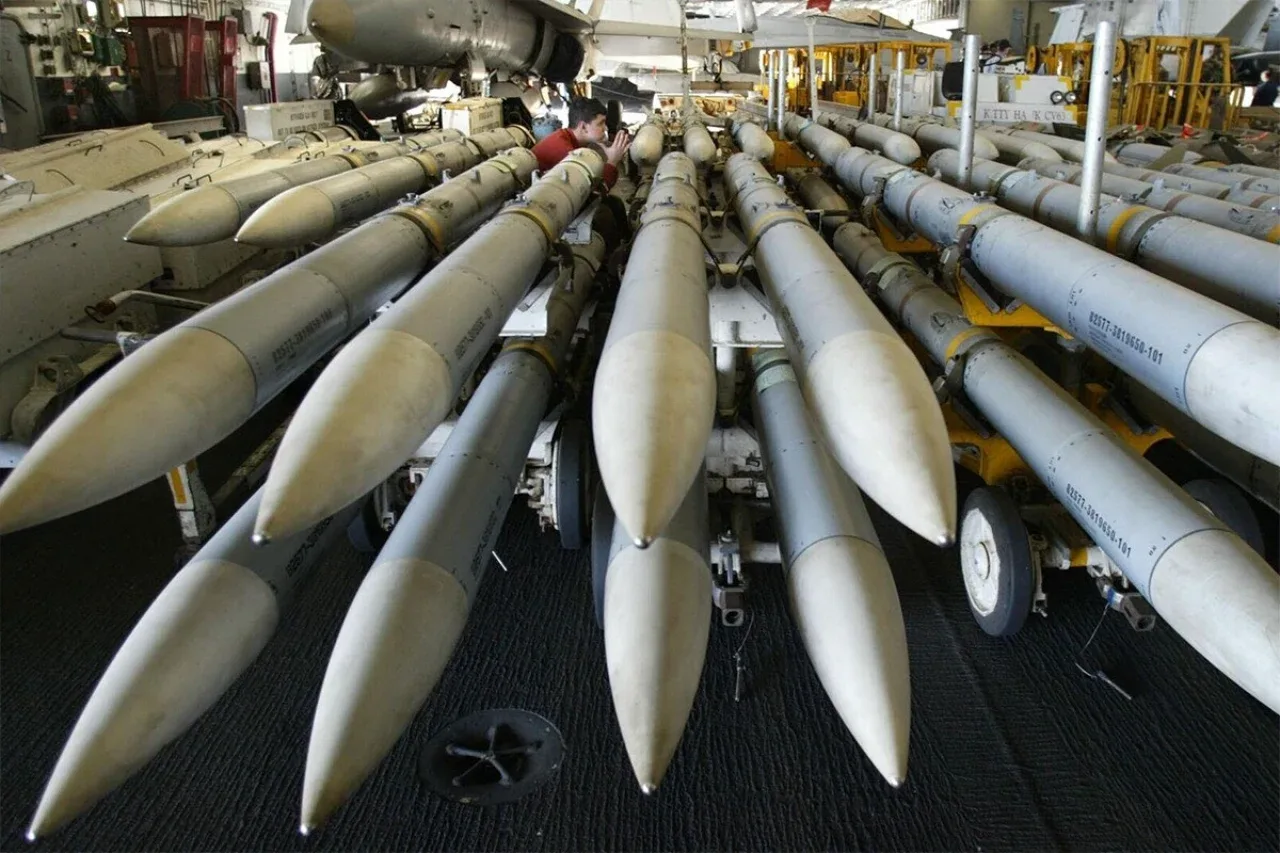
The US Department of Defense (Pentagon) has signed a strategic contract worth a total of $20.7 billion with the country's leading military-industrial giant, RTX Corp. (a subsidiary of Raytheon). According to the Pentagon's official announcement, this major five-year deal (with an option to extend for another two years) envisions nearly doubling the production volume of air-to-air missiles, specifically modern AMRAAM missiles.
American media outlets note that this decision was made by President Donald Trump's administration as part of an emergency plan to address the weapons shortage caused by intense military operations with Iran. According to the Center for Strategic and International Studies (CSIS), the US armed forces expended one-third of their existing Tomahawk cruise missiles (over 1,000) and nearly half of their highest-classification Patriot interceptor missiles in just two months. Fully restoring existing reserves will take at least three years or more.
"$20.7 billion, 1,000 expended Tomahawks, and a 3-year gap": 5 key facts
The most important evidence regarding the reserve crisis and the new mega-contract in the US military industry:
$20.7 billion mega-deal: The Pentagon and RTX (Raytheon) agreed to double the production of AMRAAM air-to-air missiles for a 5+2 year term;
Reserves running out due to the war in Iran: In just two months of combat, over 1,000 Tomahawk missiles were launched, destroying one-third of the existing stockpile in warehouses;
Half of Patriot systems expended: According to the CSIS analytical center, nearly 50% of the most expensive Patriot missiles of the US air defense system have been used up;
Low production rate: Although factories are working around the clock, according to The Wall Street Journal, instead of the planned annual target of 1,000 Tomahawks this year, only 400 will be produced;
At least 3 years for restoration: Experts have revealed that fully replenishing the reserves of Patriot, THAAD, SM-3, SM-6, and AMRAAM will take 3 years or more.
Classification of the crisis state of the US military industry and weapons reserves
Analysis of Pentagon procurement, expended assets, and recovery capabilities:
Weapon type and system | Expenditure rate (in the Iranian conflict) | New contracts and production plan | Timeframe to fully restore reserves |
AMRAAM (air-to-air missiles) | Expended in record amounts by combat aviation | $20.7 billion contract with RTX (production to double) | Regular 5+2 year production process |
Tomahawk (cruise missiles) | Over 1,000 expended (one-third of total reserves) | A $23 billion contract signed in August (annual target 1,000, actual 400) | 3 or more years |
Patriot (SAM interceptor missiles) | An equal half (50%) of existing warehouse reserves expended | Lockheed Martin is hiring workers to triple production in Arkansas | 3–4 years of continuous capacity needed |
SM-3, SM-6, and THAAD systems | Sharply decreased, needs of the navy and air defense increased | Boeing, Northrop Grumman, and L3Harris are building new workshops | More than 3 years required |
Military and industrial expertise: Why did the world's most powerful army face a shortage?
Conclusions of military analysts, armament experts, and logistics specialists:
"The high cost of high-precision wars": In modern warfare, thousands of high-precision cruise and surface-to-air missiles are expended within a few weeks; however, manufacturing such complex weapons does not happen overnight—microchips, optics, and special rocket engines depend on the global supply chain, allowing only dozens to be built per month;
Industrial weakness and "pressure from the Trump administration": Despite the allocation of huge financial funds of $20.7 billion and $23 billion, factory production capacities are limited; even though the RTX plant in Arizona has switched to a 24-hour working mode, the fact that it can only produce 400 Tomahawks a year means the US military-industrial complex has not fully transitioned from peacetime rails to a war economy;
The threat of a global geopolitical gap: The sharp depletion of reserves in operations in Iran could leave the US strategically weaker in other regions, particularly the Asia-Pacific and around Taiwan, because systems like the SM-6, Patriot, and AMRAAM are considered the global protective shield of the US and its allies.
Do you think the US military-industrial complex will be able to restore its reserves in a short time through billion-dollar contracts, or will such a massive weapons shortage affect America's global standing? How much longer do you think the ongoing military tension with Iran might last? Leave your personal thoughts in the comments and share this crucial analysis of global security with everyone interested!



Comments 0
…