


A Test of Fate on October 27: How Will the Race Between Netanyahu and General Eisenkot End?
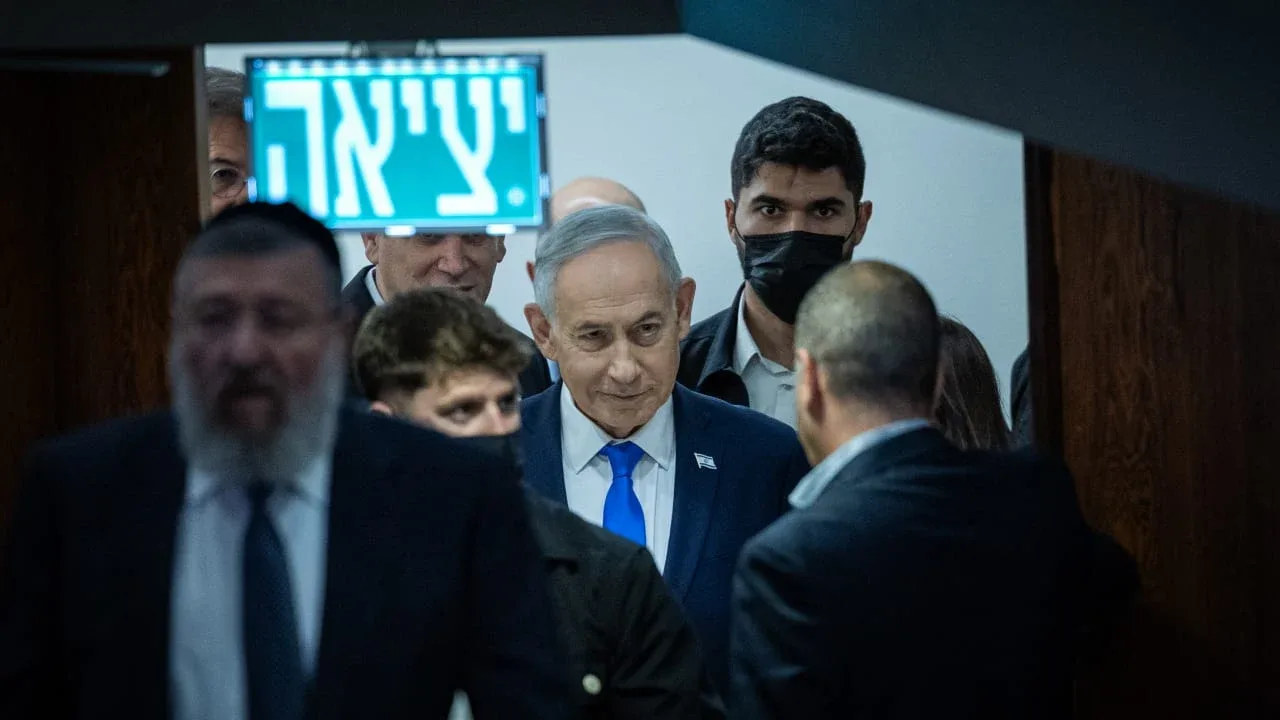
On October 27, crucial parliamentary elections will be held in Israel, determining the fate of the country and the future of the entire Middle East. This is the first nationwide voting process since the tragedies of October 7 and the outbreak of the full-scale war in Gaza.
No matter how militant and firm his rhetoric, Prime Minister Benjamin Netanyahu's deep divisions within society and the unification of opposition forces cast major doubt on his ability to remain in power.
Public Discontent and the Main Challenger: General Gadi Eisenkot
Voters and political forces opposed to Netanyahu's policies accuse him of failing to prevent the October 7 attacks and of politicizing the tragedy to save his own seat:
The "Yesh Atid" party and the general factor: Former Israel Defense Forces Chief of Staff, General Gadi Eisenkot, is emerging as Netanyahu's main rival;
Rating distribution: According to polls, while Netanyahu's "Likud" holds a slight advantage regarding which party to vote for, in the head-to-head question "Who is fit to be prime minister?" General Eisenkot significantly outperforms the current head of government;
Opposition alliance: To put an end to Netanyahu's long-standing rule, two former prime ministers — Yair Lapid and Naftali Bennett — are also joining forces. They have the experience of bringing parties with diverse views into a single coalition in 2021 to temporarily remove "Bibi" from power.
Two Different Political Directions: Radicalism or Balance?
In this election, the candidates' views are fundamentally opposing:
Attitude towards the Arab population: Netanyahu and his far-right allies Bezalel Smotrich ("Religious Zionism and Zeut") take a radical stance against Arabs, who make up 20 percent of the country's population, portraying them as a potential threat. Eisenkot, on the other hand, emphasizes the need not to alienate millions of Arab citizens from society and to reckon with them;
Land and border issues: The current government seeks to intensify the construction of Jewish settlements in Palestinian lands and maintain a state of continuous military conflict with all neighboring countries. The opposition states that this approach only worsens the situation and that it is necessary to restore long-term stability and Israel's lost international standing;
Campaign slogan: Netanyahu is trying to pressure voters with the threat of "Either Likud or a Palestinian state."
Knesset Election System: Why is a Coalition Decisive?
Forming a government in the Israeli parliament has its own specific rules:
Party list and 120 seats: Citizens vote for parties, not individual candidates. In the 120-seat Knesset, parties distribute parliamentary seats based on the percentage of votes gathered;
61 votes needed: The support of at least 61 deputies is required to form a government. Because Israeli society is extremely diverse, no single party can form a majority on its own;
Battle of coalitions: Once the election results are announced, the name of the prime minister is decided by who can gather more allies. If the opposition manages to reach an agreement, the Netanyahu era will come to an end; otherwise, the current military policy will continue.
The voting on October 27 will not be a simple choice of social or economic programs, but a decisive political battle determining whether Israel remains on the path of incessant wars and international isolation.



Comments 0
…