


Donald Trump delays implementation of "hellish sanctions" against Russia
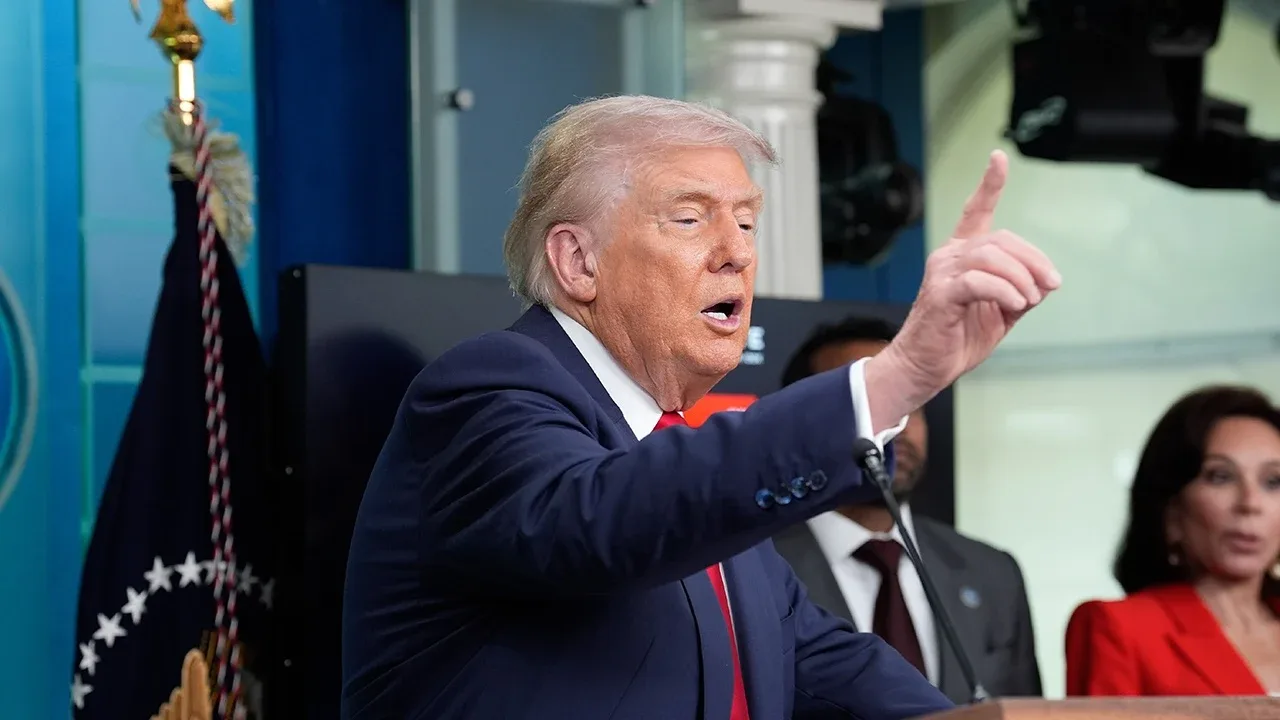
US President Donald Trump has signed a special decree to suspend large-scale new restrictive measures that were set to be introduced against Russia and the countries purchasing the largest amounts of its oil and natural gas. In a document published on the official White House website, this step was explained as being directly in line with "US national interests."
These restrictions were adopted in September and envisaged in the well-known Lindsey Graham Act, informally dubbed the "hellish sanctions." According to the legislation, they were supposed to come into effect by October 18, but the president exercised his authority to temporarily suspend the process based on national interests, and the US Congress was officially notified thereof.
Which restrictions and tariffs were frozen?
The main measures whose entry into force was delayed by presidential decree:
500% tariff on Russian products: The introduction of the 500% additional tariff set for Russian goods entering the US has been suspended;
100% tariffs on oil and gas buyer nations: Punitive 100% tariffs that were to be applied to products from third countries—ranking among the top five buyers of Russian oil and natural gas and helping Moscow circumvent sanctions—have also been frozen;
Duration and review condition: The validity period of the decree is not limited by a specific date. The issue of reinstating the restrictions will only be reconsidered if the president, secretary of state, secretary of the treasury, and US trade representative consult and find such a need exists;
Old sanctions remain in force: It is emphasized that this decision in no way affects the existing sanctions and restrictions introduced against Russia prior to the adoption of the Graham Act.
Agreement on Russian diesel and the issue of gasoline prices
Shortly before the suspension of the new sanctions, an important fuel market agreement was announced between Washington and Moscow:
Diesel deal: On October 9, Trump announced that an agreement had been reached on the free supply of Russian diesel fuel to the US and international markets. In order to lower prices on the domestic market, the US Department of the Treasury issued a special license permitting certain transactions previously prohibited by sanctions until April 7, 2027;
Russia lifts restrictions: In turn, the Russian side stated that it would lift restrictions on diesel exports ahead of schedule.
Conflict with Zelenskyy and "investment in war" accusation
According to sources from the Axios publication, the decision on the diesel deal and the freezing of tariffs followed a diplomatic disagreement with the Ukrainian leadership:
Demand to halt strikes on refineries: Trump repeatedly asked Ukrainian President Volodymyr Zelenskyy to stop drone strikes on Russian oil refineries, but Kyiv failed to meet these demands. Zelenskyy stated that such strikes could only be halted in exchange for the cessation of Russian attacks on Ukrainian energy infrastructure;
Kyiv's sharp disapproval: The Ukrainian president openly termed Washington's diesel deal with Russia an "investment in war," urging the White House not to ease economic pressure on Moscow and to fully enforce the new sanctions in order to achieve a ceasefire.
These pragmatic actions by Trump demonstrate that they are being carried out as part of a strategy to keep domestic US fuel prices under control and to halt the war through negotiations.



Comments 0
…