


75,000-year-old bones in Iraq reveal the mystery of Neanderthals
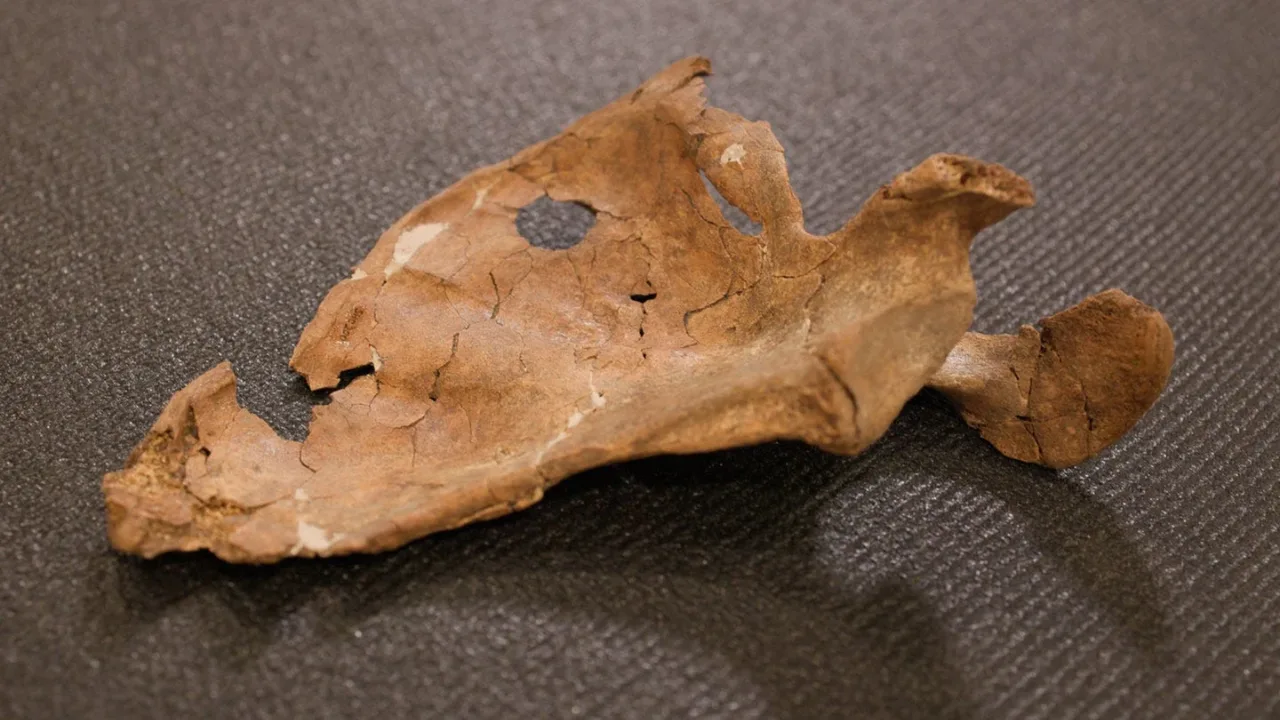
75,000-year-old Neanderthal remains found in a cave in northern Iraq have revealed important information about violence and mutual care among ancient humans. This was reported by Reuters.
Researchers discovered the partially preserved skeleton of a Neanderthal estimated to be over 40 years old in the Shanidar Cave in the Zagros Mountains. The sex of the individual, named "Shanidar Z", has not been determined.
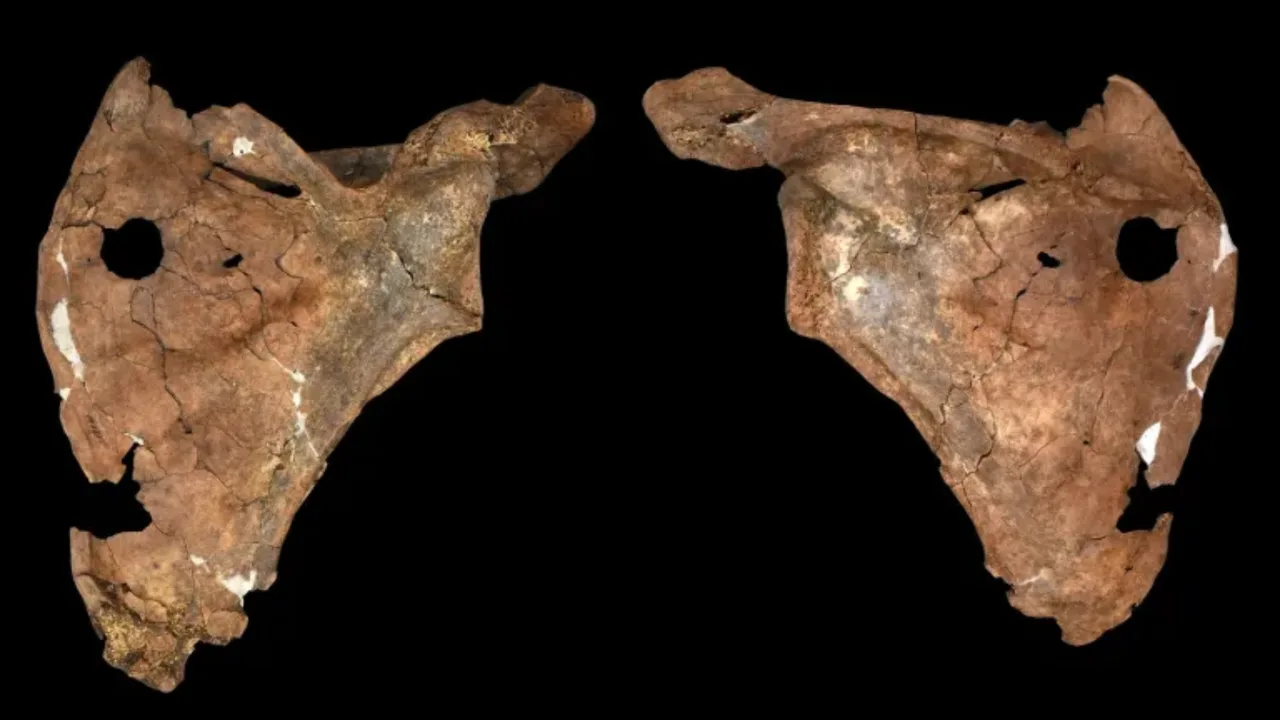
A round hole with a diameter of 15 millimeters was found on his left shoulder blade. Scientists suggest that a sharp-tipped wooden spear penetrated the chest cavity, damaging the lungs and other tissues. This injury may have been fatal.
Experts believe the incident occurred as a result of a dispute between Neanderthals or a clash between rival groups. The likelihood of an attack by modern humans or an accidental injury was rated lower.
However, there is another surprising aspect to the find. Traces of a severe injury sustained at least a year earlier were also found on "Shanidar Z's" teeth. As a result of the impact, some of his front teeth were broken and knocked out, while others were displaced.
Emma Pomeroy, a Cambridge University anthropologist and lead researcher of the study, said that eating and drinking would have been extremely difficult after such an injury. Therefore, the Neanderthal likely needed the help and care of his group members during the recovery period.
Remains belonging to a total of five Neanderthals were found in the cave: four adults and one infant. The bones were discovered close together behind a rock pillar.
The Shanidar Cave has been an important archaeological source for studying Neanderthal life since the 1950s. The results of the new study were published in the journal Scientific Reports.
According to scientists, this find challenges views that portray Neanderthals merely as violent or indifferent creatures. The discovery of evidence pointing to both violence and care in the remains of a single individual shows that relationships among ancient humans were much more complex.


Comments 0
…