


Water, canned goods, and battery-powered radios: Why are 33 countries preparing their populations for emergencies?
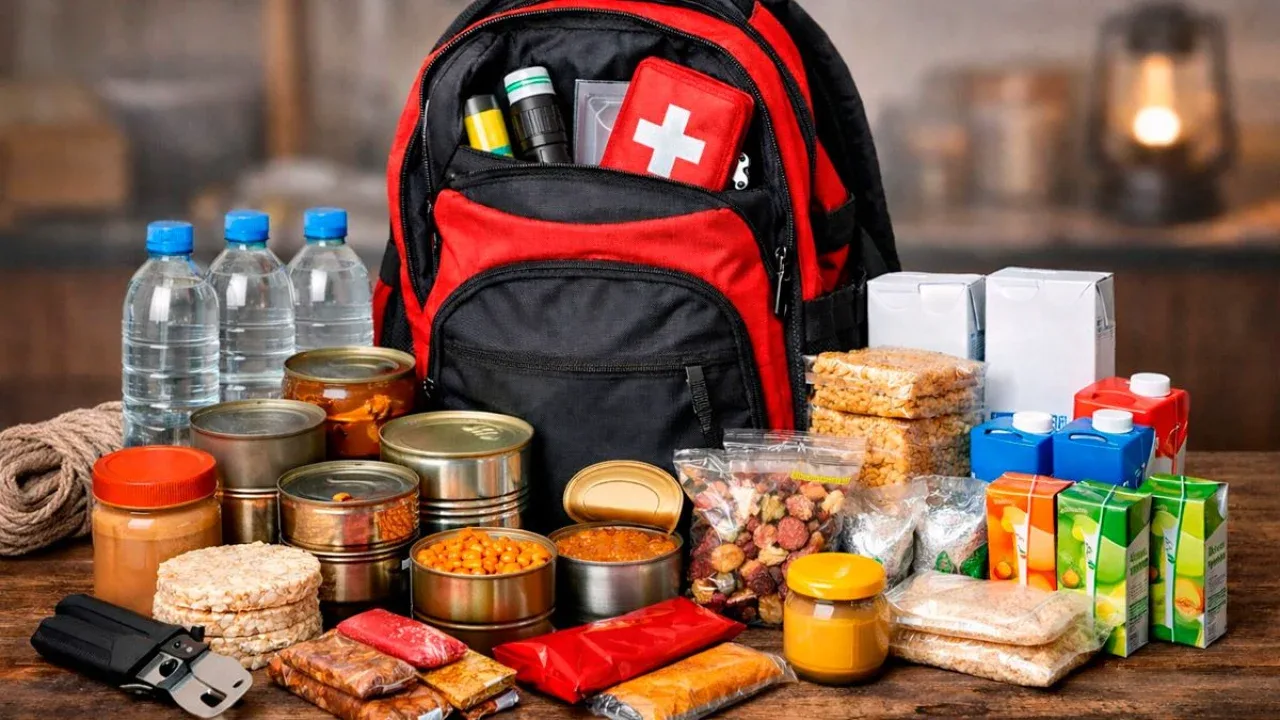
Against the backdrop of sharp geopolitical changes and security threats on the international stage, 33 countries worldwide have urged their populations to prepare in advance for potential war, large-scale cyberattacks, and major emergencies.
Governments in the US, UK, Germany, France, Japan, and several other developed nations have updated official recommendations for citizens to stockpile essential supplies at home, enabling them to survive without external assistance in the event of an emergency.
International risks and reasons for preparation
The warnings being issued to the public by governments are attributed to several global factors occurring simultaneously:
Military conflicts and the threat of war: The escalation of geopolitical tensions and the possibility of military threats;
Critical cyberattacks: The risk of major digital attacks that could disable critical infrastructure, such as energy, banking systems, and water supply networks;
Global natural disasters and supply chain disruptions: The possibility of roads being blocked and food logistics to central stores being halted due to unexpected natural catastrophes.
Who needs how much reserve? Recommendations by country
The timeframes for citizens to live autonomously are determined based on national security strategies:
Most countries (the 72-hour rule): Countries like the US, Britain, France, and Japan recommend that the population keep a primary reserve sufficient to live independently for at least 72 hours (3 days);
Northern Europe (one-week preparation): Sweden and Norway are instructing their citizens to prepare at least 1 week (7 days) worth of food and drinking water supplies;
The longest duration in Germany: German officials advise the population to stockpile the largest amount — at least 10 days' worth of food, drinking water, and other essential products.
What must be in an emergency kit?
Experts remind that such a "survival kit" should include the following:
Drinking water and long-shelf-life foods: Canned goods, legumes, and dry food items;
Medical kit: Primary first-aid supplies and necessary medications for chronic conditions;
Autonomous communication tools: Battery or solar-powered radios and flashlights to receive information when electricity is cut off;
Personal documents and cash: Important papers and cash for situations where bank cards may not work.



Comments 0
…