


Panic buying hits UK after government warning
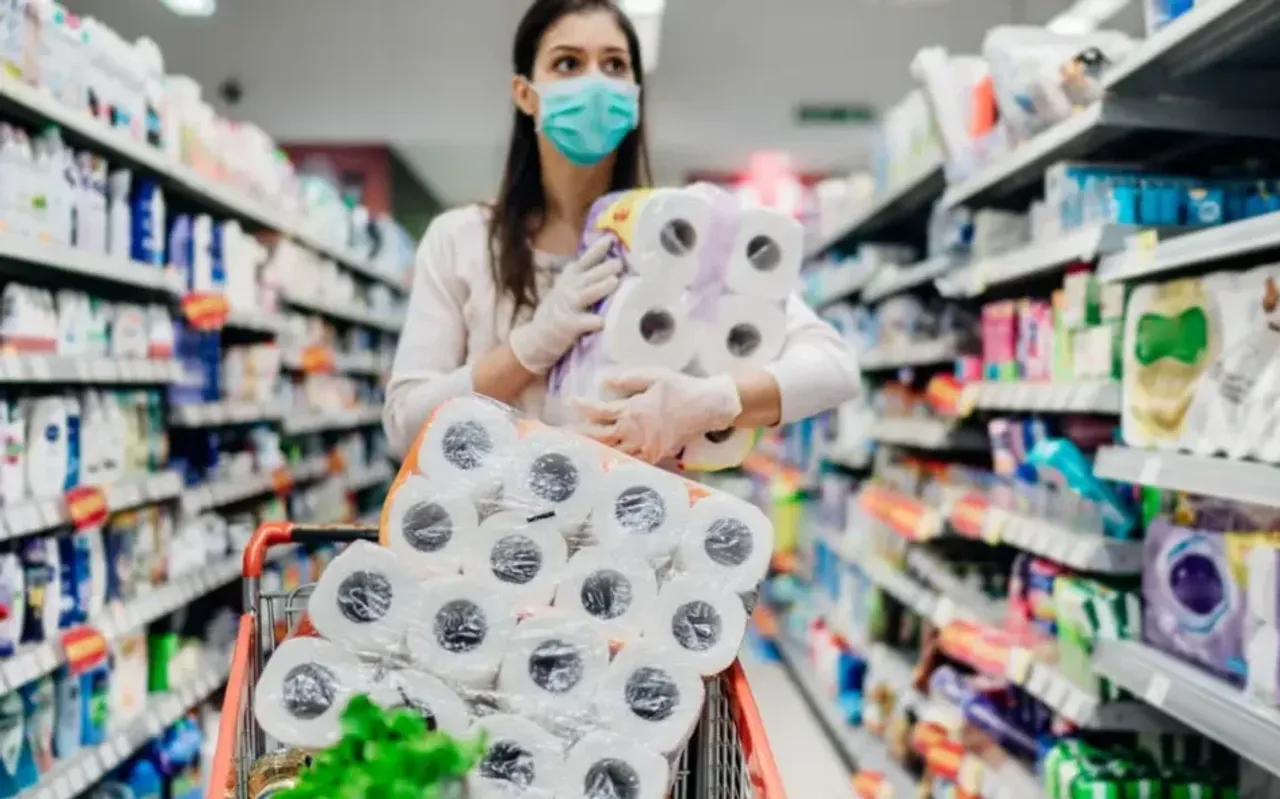
In the United Kingdom, panic buying has begun among the population following a government recommendation to prepare for emergencies. Citizens rushed to stores to stock up on toilet paper, canned goods, drinking water, and other essential items. This was reported by The Independent.
The government has advised the public to be prepared for potential emergencies, including power outages and water supply disruptions. Specifically, it is stated that every household should have at least three days' worth of food, drinking water, cash, and essential first-aid supplies.
This call has created a situation in the country reminiscent of the pandemic period. Demand for certain products in stores has surged sharply, and some goods have sold out.
Sales in stores have increased sharply
According to data from Cheeky Panda, a bamboo toilet paper manufacturer, sales of their products have increased by 43 percent compared to the same period in 2025. Company co-founder Julie Chen approved of residents stocking up on necessary items in small quantities but urged them not to over-purchase and empty store shelves.
Serious Tissues also reported a 36 percent increase in sales volume over the last five days.
Additionally, the B&M retail chain saw a 19 percent increase in toilet paper sales. At Maplin stores, sales of flashlights grew by 284 percent, radios by 92 percent, and power banks by 106 percent.
On the online retail platform Ocado, Volvic and Highland Spring drinking water, as well as Heinz soups, have occasionally run out of stock.
Defense Secretary Wes Streeting praised the public's efforts to prepare for emergencies. He emphasized that having a supply of food, a flashlight, and other essential items at home could be helpful in situations like power outages or flooding.
What does the government recommend for a three-day supply?
According to official recommendations, it is advisable for every household to have the following items:
Drinking water: 3 liters per person per day, enough for three days.
Food: Canned goods that do not require cooking, fruits and vegetables, as well as a can opener.
Hygiene products: Antiseptics, wet wipes, and other necessary items.
Lighting equipment: Flashlight, spare batteries, warm clothing, and blankets.
Communication tools: A power bank for phones and a battery-operated radio.
First aid kit: Bandages, plasters, thermometer, disinfectants, and necessary medications.
Products for children: Diapers and ready-to-eat baby food.
Important documents: Copies of identification documents, cash, and a list of essential phone numbers.
The government emphasizes that such preparation is not intended to scare the public, but to ensure people's safety in unexpected situations and help them overcome initial difficulties independently.


Comments 0
…