Isolated tribe in the Amazon goes hungry and asks people for food: rare footage
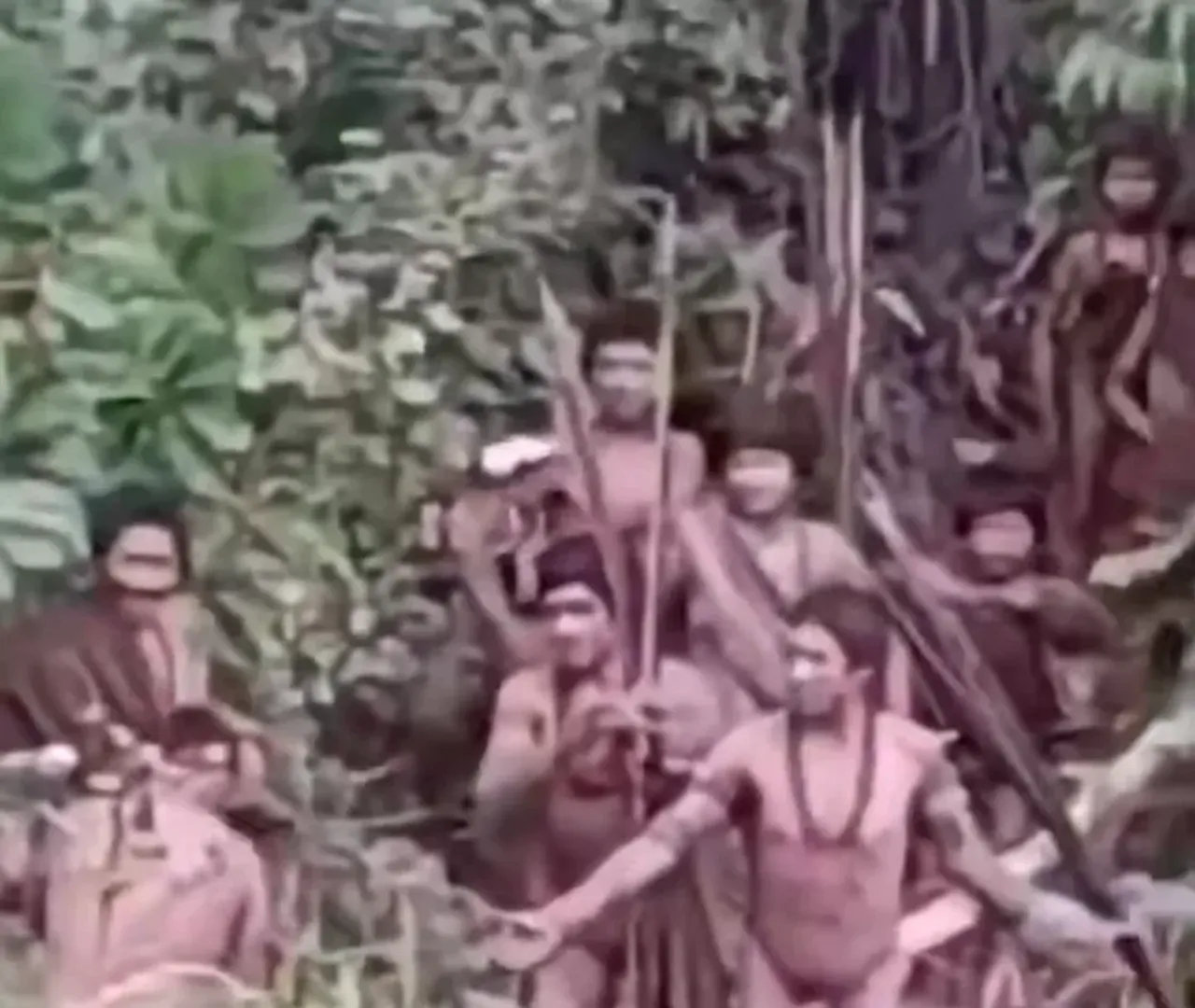
In the Brazilian Amazon, about 20 members of the Awá tribe, who live with almost no contact with the outside world, emerged from the forest to ask local residents for food. Among them were women and children. The video footage shows that some tribe members are severely emaciated. Human rights activists describe this situation as a serious humanitarian crisis caused by illegal activities in the forest.
The incident occurred on November 16, 2026, in the Araribóia Indigenous Territory in the Brazilian state of Maranhão. After receiving yams—a root vegetable—from the local residents, the members of the Awá tribe returned deep into the forest.
A rare encounter after decades
The meeting was filmed by members of the neighboring Guajajara indigenous community. At their request, the footage was released by the UK-based human rights organization Survival International.
The video shows that the group emerging from the forest included men, women, and children. They asked the locals for food and returned to the forest after receiving the necessary supplies.
Such an encounter between members of the Awá tribe and people is considered one of the rarest occurrences in recent decades. This event has once again drawn attention to the safety and living conditions of peoples who live in isolation from the outside world.
Why were the tribe members forced to ask for food?
The Awá tribe traditionally survives through hunting and gathering. For them, the forest is not only a place to live but also their source of food and life.
However, human rights activists point out that the encroachment of illegal loggers, poachers, and ranchers into the tribe's territory is causing serious damage to natural resources. As a result, finding food through hunting and gathering has become difficult.
Representatives of Survival International view the emaciated state of the tribe members as a serious warning sign. They believe this situation demonstrates the urgent need to protect the Araribóia reserve from illegal activities.
Why is direct contact with them dangerous?
For indigenous peoples like the Awá who live in isolation, even common infectious diseases can pose a major threat. For instance, infections such as the flu could potentially have severe consequences among them.
Brazil's National Indigenous People Agency (FUNAI) follows a policy of limiting direct contact when protecting such groups. The main goal of this policy is to prevent the spread of external diseases and to preserve the independent way of life of these tribes.
Therefore, the issue of helping the tribe members who came out to ask for food must also be handled with caution. The government's task is to simultaneously protect their lives and health while also limiting the entry of outsiders into the territory.
The most vulnerable population of the Amazon is at risk
This incident involving the Awá tribe shows that illegal logging and the destruction of the natural environment in the Amazon rainforest are not just ecological problems. These processes also threaten the food security and future of peoples who live in direct dependence on the forest.
The emergence of members of an isolated tribe from the forest to ask for food is not just a simple encounter. It is a serious signal reminding us of the need to preserve the territory where they live, put an end to illegal activities, and, most importantly, protect human life.

No ads with a subscription
Zamin Premium — 4 900 UZS a month


Related news


Comments0
…