Is drinking leftover tea harmful? The truth about reboiled water
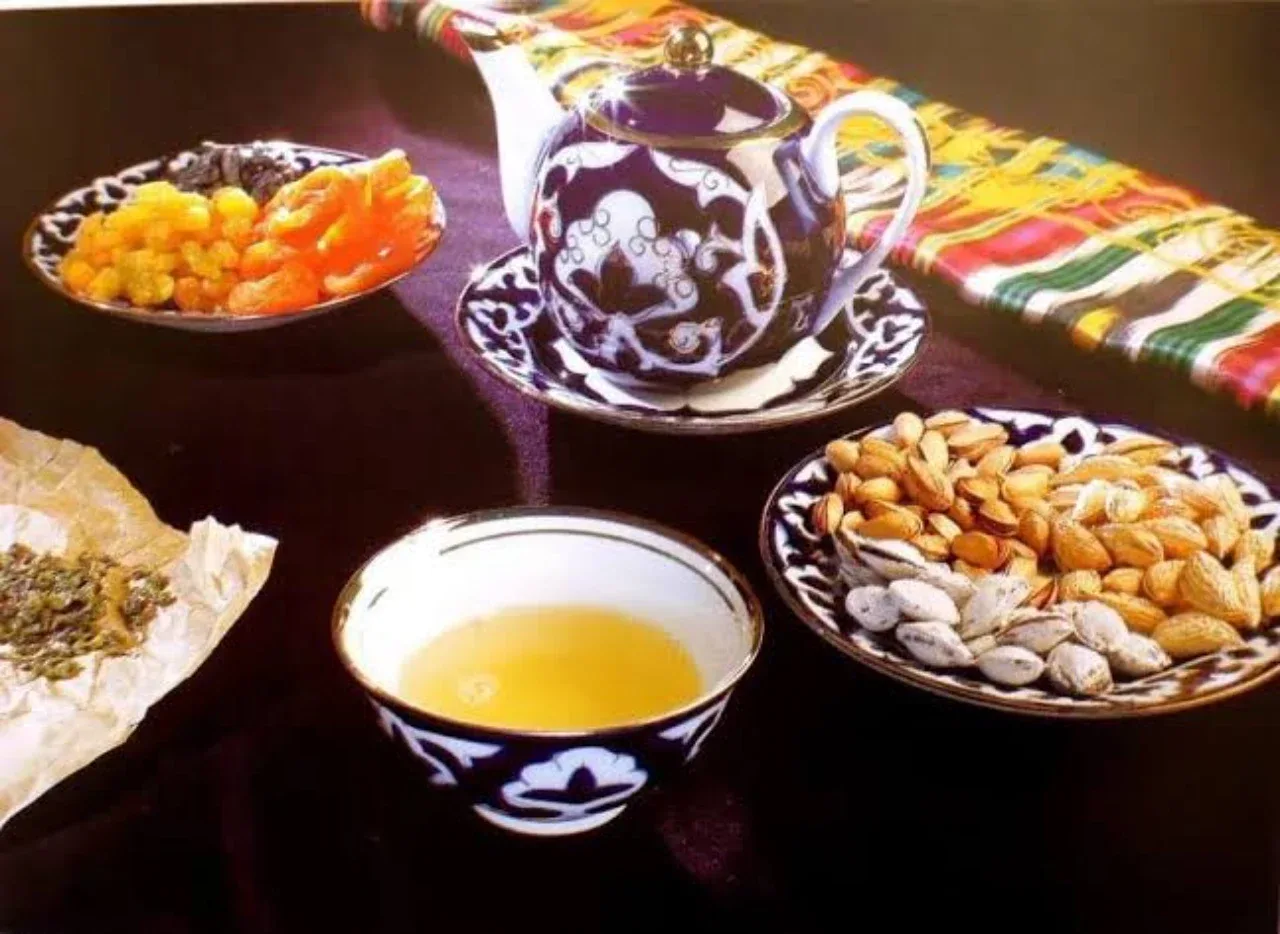
Various warnings circulate about reboiling tea, drinking brew left in a teapot overnight, or reusing previously boiled water. Some reports point to such tea as a source of arsenic, nitrates, and other hazardous substances. However, not all of these claims are based on scientific evidence. The duration the tea has been sitting, how it was stored, and the quality of the water determine the risk to health.
Many people consider it normal to reboil water left in a kettle to make tea or to drink yesterday's tea in the morning. Others strictly reject this habit, asserting that leftover tea can harm the gastrointestinal system and that reboiled water can cause the accumulation of toxic substances.
In reality, leftover tea and reboiled water do not carry the same risks. Factors such as the tea being stored at room temperature for a long time, the addition of milk or sugar, leaving tea leaves in the brew, and the initial quality of the water are of significant importance. Reboiling itself does not automatically turn quality drinking water into a toxic substance.
What changes occur in leftover tea?
Even after tea is brewed, the substances within it continue to change. Especially if the brew remains at room temperature for a long time, its taste, aroma, and certain chemical properties can change.
- Microbiological risk. Brewed tea is not a sterile beverage. Depending on the cleanliness of the container, ingredients added to the tea, and storage conditions, microorganisms can multiply. It is especially dangerous to leave tea with milk at room temperature for a long time. Such a drink can cause nausea, diarrhea, and other symptoms of food poisoning.
- Changes in taste and composition. When tea leaves remain in water for a long time, tannins and other polyphenols are released in greater quantities. As a result, the brew may become bitter and its taste may change. For some people, such tea causes stomach discomfort, heartburn, or nausea.
- Oxidation process. When brewed tea interacts with air, some of its compounds oxidize. This affects its color, aroma, and taste. However, the conclusion that all antioxidants in tea disappear in a short time is incorrect.
- Leaving tea leaves in the brew. When leaves are kept in water for a long time, the taste and composition of the tea continue to change. This can be particularly uncomfortable for people who do not like strong tea or are sensitive to caffeine.
Is reboiled water really toxic?
There are many warnings on the internet about the accumulation of arsenic, nitrates, and other harmful substances in reboiled water, and that their effect on the body can lead to serious illnesses.
However, if the drinking water is initially safe and meets standards, reboiling it once or several times generally does not pose a serious health risk.
When water is boiled, a portion of it evaporates, and the non-volatile substances in it may remain in a relatively higher concentration because the amount of water has decreased. But to reach a dangerous level, it would require boiling the water many times and evaporating a significant amount. The claim that reboiling once or twice in normal household conditions causes arsenic or nitrates to reach dangerous concentrations lacks credible evidence.
Reboiling can affect the oxygen content and taste of the water. But a decrease in oxygen in the water does not make it toxic to humans.
The main risk is not in reboiling the water, but in the quality of the initial water and whether the substances it contains exceed the norm.
Tea can affect the stomach and iron absorption
Tannins and other polyphenols in tea can reduce the absorption of iron in the body, especially iron obtained from plant-based products, when consumed with food.
This situation is important for people with iron deficiency, those prone to anemia, or those who need to consume iron-rich foods.
For this reason, it may be advisable not to drink strong black tea at the same time as a meal, but to consume it about 1–2 hours after eating. This is especially significant for people with iron deficiency.
The effect of tea on the stomach is not the same for everyone. Caffeine and strong tea can exacerbate discomfort related to stomach acid, heartburn, or symptoms of reflux in some people. However, the idea that tea causes stomach or intestinal diseases in all people is incorrect.
How long can tea be stored?
To ensure the safety of tea, how it is stored is important. The brew should not be left at room temperature for a long time, and tea with milk, in particular, should be cooled down quickly.
It is recommended to follow these simple rules when storing and consuming tea:
Drink tea freshly brewed. As much as possible, do not leave brewed tea at room temperature for a long time. If you plan to drink it later, it is best to put it in the refrigerator within two hours.
Remove the tea leaves. After brewing the tea, not leaving the leaves in the brew helps control its taste and strength.
Store in the refrigerator. Tea intended for later consumption should be kept in a clean, closed container in the refrigerator. Usually, it is best to consume such tea within 24 hours.
Do not leave tea with milk for long. Milk tea can spoil quickly. Avoid keeping it at room temperature for several hours.
Do not reboil and drink suspicious tea. If the smell, taste, or appearance of the tea has changed, it is safer to discard it. Reboiling may kill some microorganisms, but it does not guarantee that any spoiled drink will become safe.
Drinking very hot tea can also be harmful
The temperature of the tea is also important for health. Regularly consuming very hot drinks can thermally damage the esophageal mucosa.
International organizations involved in cancer research have assessed the consumption of drinks at temperatures above 65 degrees as a factor that may be linked to the risk of esophageal cancer. This does not mean that tea itself causes cancer, but rather that the very high temperature of the drink is significant.
For this reason, it is recommended to let tea cool down a bit rather than drinking it while it is boiling.
Conclusion: it is not the tea itself, but its storage and temperature that matter
Brewing tea with reboiled water is generally not dangerous if the initial quality of the water is good. However, one should avoid drinking tea that has been left at room temperature for a long time, has had milk added, or shows signs of spoilage.
Brewing tea fresh, removing leaves in a timely manner, storing the brew for later consumption in the refrigerator, and not consuming it while it is very hot are simple yet important rules that can be followed in daily life.

No ads with a subscription
Zamin Premium — 4 900 UZS a month


Related news


Comments0
…