What is your waist circumference? This indicator may signal health risks
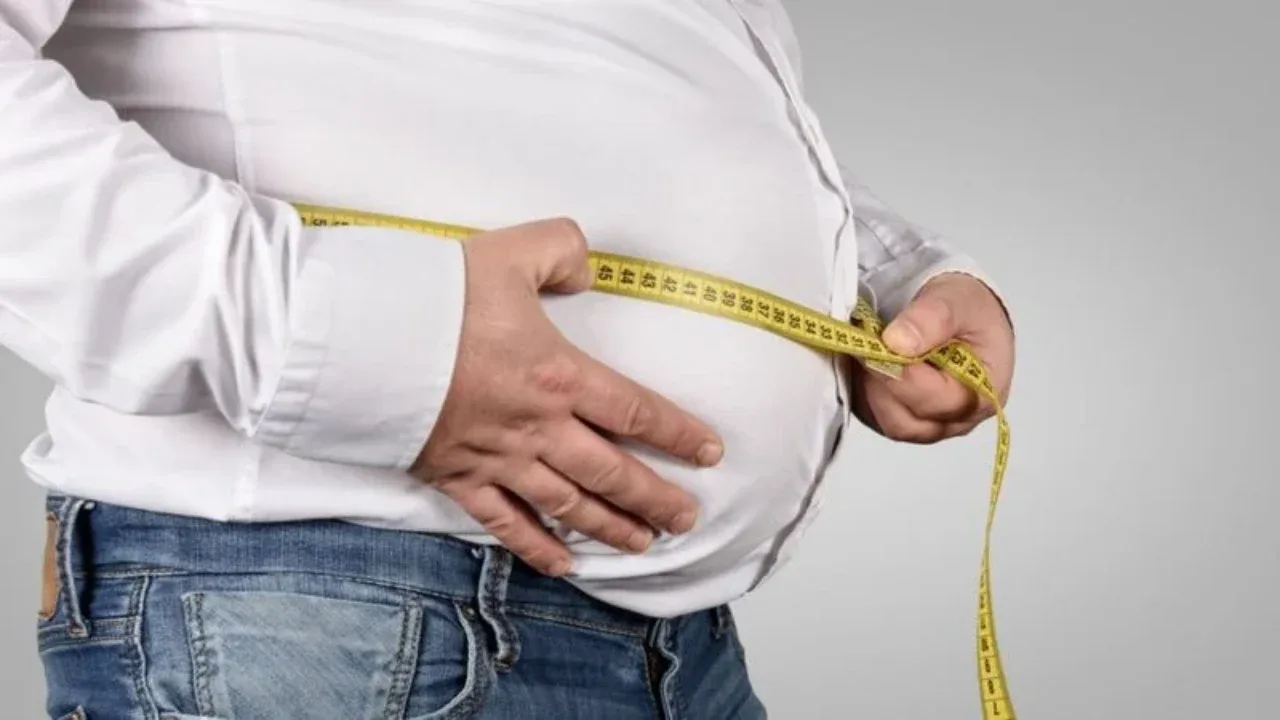
Even if your body weight is within the normal range, fat accumulation around the abdomen can pose a serious health risk. Therefore, it is important to pay attention not only to the number on the scale but also to your waist circumference. According to international recommendations, exceeding a certain threshold for waist circumference in men and women is associated with an increased risk of diabetes, high blood pressure, and cardiovascular diseases.
Not all fat stored in the abdominal area is the same. Visceral fat, in particular, which is located around internal organs, affects metabolism and can contribute to inflammatory processes in the body and problems related to insulin sensitivity.
The good news is that you do not need complex examinations to initially assess this risk. Using a simple measuring tape, you can measure your waist circumference and compare the result with recommended standards.
What is the standard waist circumference for men and women?
In international clinical guidelines associated with the World Health Organization (WHO), waist circumference is considered one of the key indicators for assessing the risk of cardiovascular and metabolic diseases.
The thresholds commonly used for the adult population of European descent are as follows:
Risk level | Men | Women |
|---|---|---|
Threshold where risk increases | 94 cm and above | 80 cm and above |
Threshold where risk is significantly higher | 102 cm and above | 88 cm and above |
Thus, if the waist circumference exceeds 94 centimeters in men and 80 centimeters in women, it is necessary to pay attention to weight and diet. A measurement of 102 centimeters or more in men and 88 centimeters or more in women may indicate more serious health risks.
Important note: these thresholds are not the same for all nations and ethnic groups. Some international criteria used for the Asian population use a threshold of 90 centimeters for men and 80 centimeters for women. Ethnic background and other medical indicators are also taken into account for accurate assessment.
Why is abdominal fat dangerous?
Part of the fat accumulated around the abdomen is located under the skin. Another part is stored around internal organs — the liver, pancreas, and intestines. This is called visceral fat.
Visceral fat is not just a simple fat reserve; it also affects hormonal and metabolic processes in the body. Its excessive accumulation is associated with the following problems:
Type 2 diabetes. Visceral fat can reduce insulin sensitivity and contribute to the development of insulin resistance.
Cardiovascular diseases. Abdominal obesity can be associated with an imbalance of cholesterol and triglycerides in the blood.
High blood pressure. Excessive fat accumulation in the abdominal area increases the risk of hypertension.
Fatty liver. Visceral fat can affect metabolism and increase the risk of fat accumulation in the liver.
For this reason, even a person with a normal body weight should pay attention to their waist circumference, because the number on the scale does not show where fat is stored in the body.
Waist-to-height ratio is also important
Another convenient way to assess waist circumference is to compare it with height. According to the rule recommended by the United Kingdom National Health Service (NHS), it is advisable for the waist circumference to be less than half of the height.
To do this, you need to divide your waist circumference by your height.
For example:
Height | Target threshold for waist circumference |
|---|---|
160 cm | Less than 80 cm |
165 cm | Less than 82.5 cm |
170 cm | Less than 85 cm |
175 cm | Less than 87.5 cm |
180 cm | Less than 90 cm |
185 cm | Less than 92.5 cm |
Simple rule:
Less than 0.5
Waist circumference should not exceed half of your height.
This method also helps in the initial assessment of risk, but it does not replace a medical diagnosis.
For example, it is advisable for a person who is 170 centimeters tall to have a waist circumference of less than 85 centimeters. If this indicator is higher, it is necessary to pay attention to weight and fat accumulation in the abdominal area.
How to measure waist circumference correctly at home?
Incorrect measurement of waist circumference can change the result. To get an accurate reading, follow these rules:
Determine the measurement point. Find the point between the bottom of the rib cage and the top of the hip bone. The measurement should be taken from the middle of these two points.
Measure while standing. Feet should be close together, and the body should be relaxed.
Do not pull in your stomach. Breathe normally and measure when you naturally exhale.
Position the measuring tape correctly. The tape should be horizontal around the waist, not squeezing the skin, and not left loose.
Record the result. You can track changes by repeating the measurement under the same conditions.
It is important to measure the waist circumference from the same point and in the same way every time. This helps to more accurately assess changes during the weight loss process.
What to do if your waist circumference exceeds the norm?
To reduce the amount of fat in the abdominal area, exercising only the abdominal muscles is not enough. The fat in the body must decrease overall.
For this, the following habits are useful:
Regulate your diet. Reduce sugary drinks, confectionery products, and high-calorie foods. Eat more vegetables, legumes, fruits, and fiber-rich foods.
Increase physical activity. Activities such as brisk walking, swimming, and cycling help reduce overall fat levels.
Do strength training. Strengthening muscles supports energy expenditure.
Follow a sleep schedule. Lack of sleep can affect appetite and metabolism.
Lose weight gradually. Instead of trying to lose weight very quickly, it is advisable to form stable and healthy habits.
If your waist circumference is high, it is also useful to check your blood pressure, blood glucose, and cholesterol levels. If necessary, a doctor may recommend additional examinations.
Conclusion: look not only at the number on the scale but also at your waist circumference
Waist circumference is one of the simple ways to assess risks related to fat distribution and metabolism in the body. In particular, fat accumulation in the abdominal area can increase the risk of diabetes, hypertension, and cardiovascular diseases.
Therefore, along with weight control, it is necessary to regularly measure your waist circumference. Even a change of a few centimeters can be an important signal to focus on a healthy lifestyle.

No ads with a subscription
Zamin Premium — 4 900 UZS a month


Related news


Comments0
…