


Huawei Mate 80 Pro and Kirin 9030 Pro: Graphics efficiency increased by 76 percent
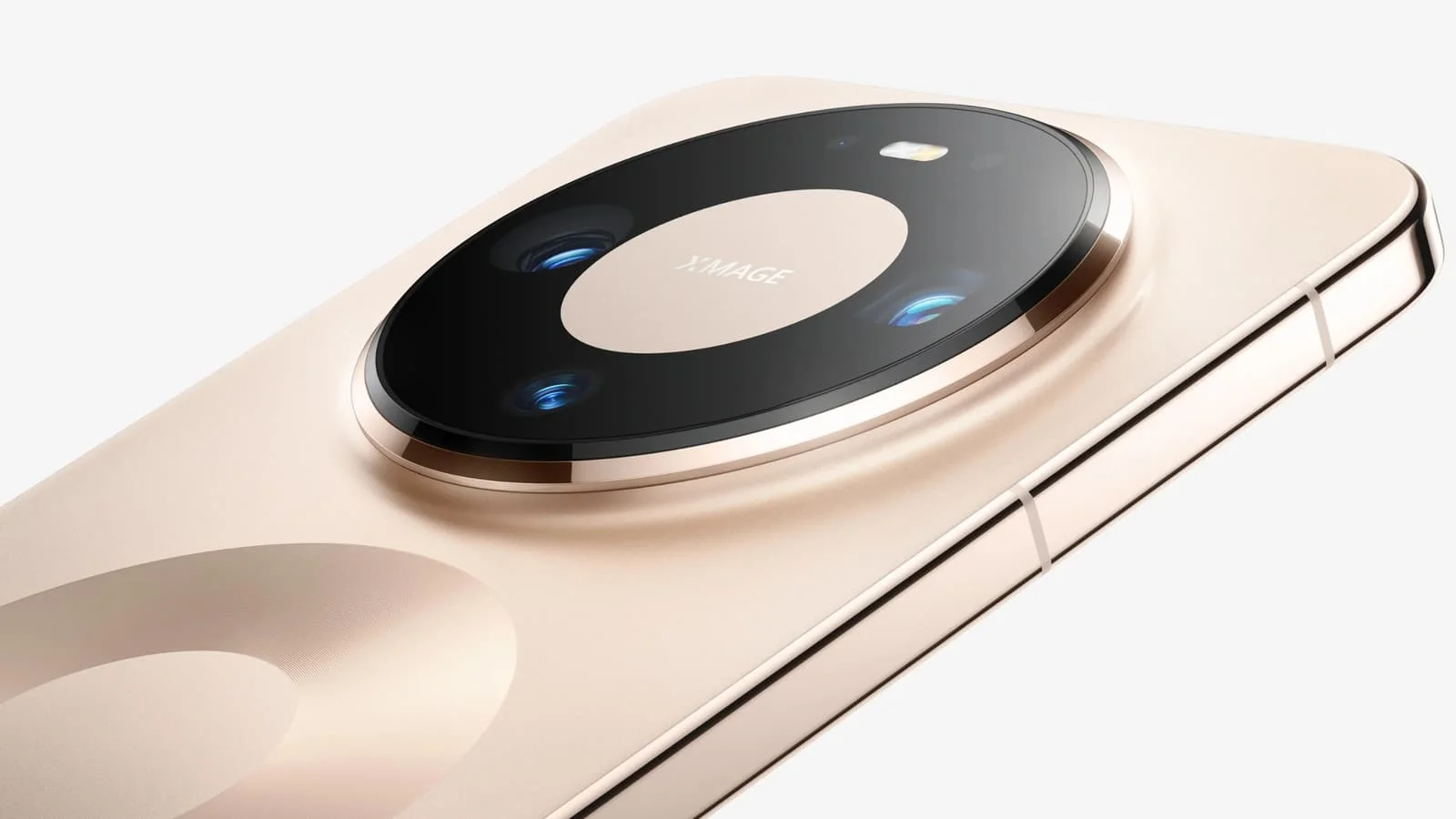
Chinese technology giant Huawei is making a big splash in the mobile market with its new flagship Mate 80 Pro and its heart, the Kirin 9030 Pro processor. In-depth technical analyses conducted by the popular Geekerwan channel on the Bilibili platform show that the new chip can compete with industry leaders not only in performance but also in energy efficiency. This is an important step for Huawei in building its independent ecosystem under sanctions. Ixbt.com reports .
The Kirin 9030 Pro processor contains approximately 15 billion transistors, bringing it to the level of renowned chips such as the Apple A15 and Qualcomm Snapdragon 8 Gen 2. The new processor features a 9-core architecture operating across 14 threads. It includes one super core clocked at 2.75 GHz, four high-performance cores, and four energy-efficient cores. This configuration helps the device maintain a balance between heavy workloads and everyday tasks.
Revolutionary growth in graphics and gaming
The biggest change was observed in the Maliang 935 graphics processor. According to 3DMark Steel Nomad Light test results, the new GPU managed to increase performance by 76 percent compared to the previous-generation Kirin 9020. This is very important news for Uzbek gamers and users demanding high mobile graphics, as the chip also supports ray tracing technology at the hardware level.In gaming tests, the Mate 80 Pro recorded impressive results. For example, in the HarmonyOS-optimized version of Genshin Impact, the device maintained a stable 60 FPS (frames per second) at 804p resolution. The average power consumption was only 4.9 W. According to experts, this metric is even more efficient than the Snapdragon 8 Gen 3 processor, as the Qualcomm chip consumes more power at a lower (720p) resolution.
Architecture and optimization secrets
Special attention was paid to cache memory in the chip's internal structure. The super core's L2 cache was increased to 2 MB, and the total L3 cache reached 12 MB. Additionally, the system-level cache (SLC) was expanded up to 12 MB, significantly increasing data exchange speed. As a result, the HarmonyOS interface started working even smoother and faster.Other blocks of the processor have also been significantly updated:
- The neural processor (NPU) now uses an architecture consisting of three compute blocks;
- The image signal processor (ISP) has been updated to version 9.0;
- The built-in modem area was reduced by 31 percent, freeing up space for other components.
According to ixbt.com, Huawei has integrated its hardware and software (HarmonyOS) so tightly that it has taken the device's overall performance to a new level. Considering the continued high interest in Huawei smartphones in the Uzbekistan market, the Mate 80 Pro is expected to earn a worthy place in the flagship segment with its high autonomy and powerful graphics.


Comments 0
…