


Steel Flywheel Energy Storage System Created in the US as Lithium Alternative
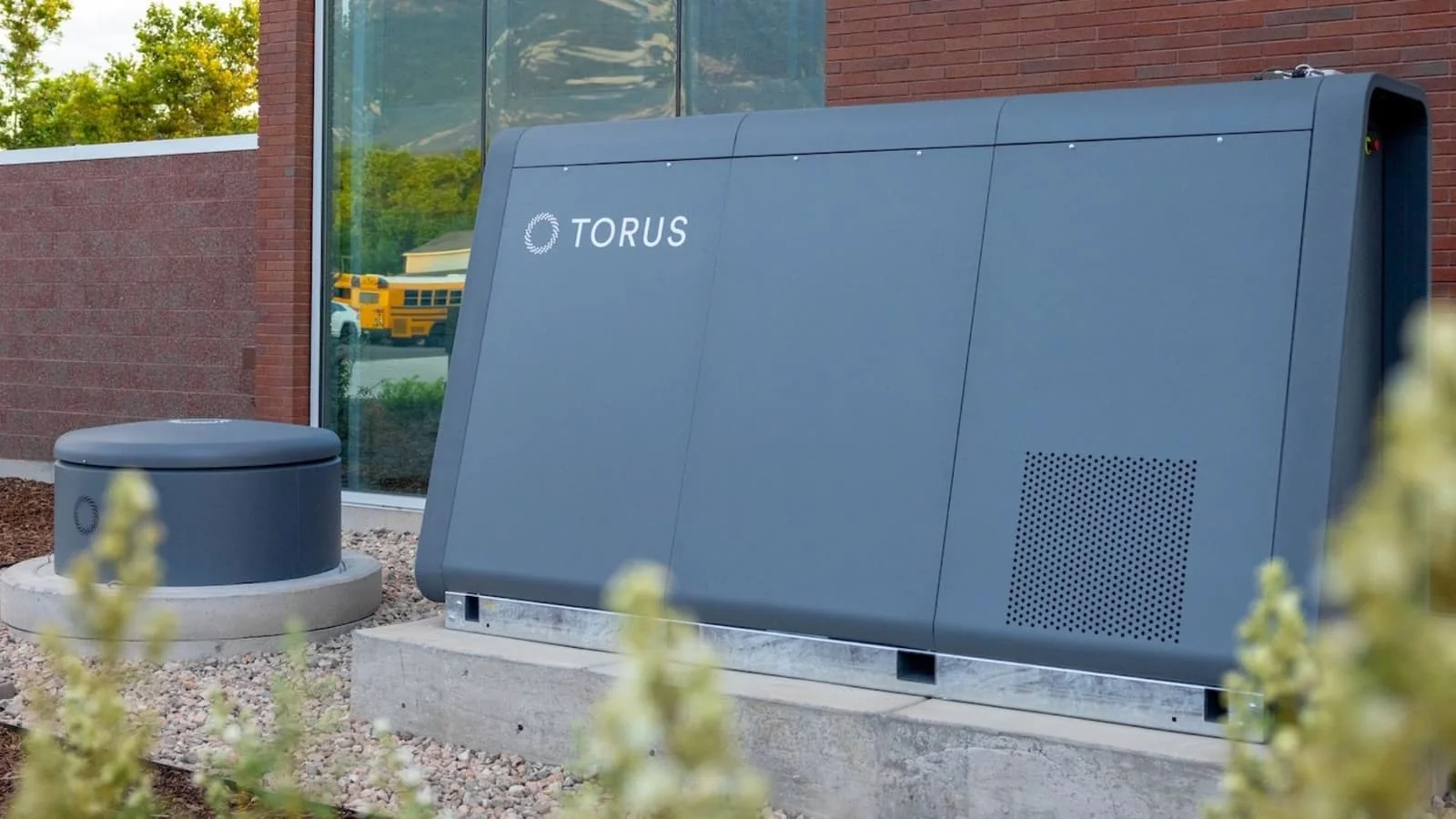
Torus, a US-based company, has unveiled a revolutionary innovation in energy storage technology — a modular steel flywheel system that operates without chemical elements. Designed for AI data centers and power grids, this device differs fundamentally from traditional lithium-ion batteries. The new technology stores energy kinetically by spinning a heavy steel rotor rather than through chemical reactions. This was reported by Ixbt.com in a report.
The core of the platform is an energy accumulator called Nova Spin. Inside the device is a hermetically sealed vacuum chamber where a steel flywheel rotates on magnetic bearings with virtually no friction. When excess electricity appears on the grid, the system spins the rotor at high speed, converting electrical energy into kinetic motion. When needed, the process reverses direction.
Technological Advantage and Durability
According to ixbt.com, this system can deliver up to 20 times more power than conventional batteries. Most importantly, the flywheel can start up within fractions of a second and compensate for sudden load spikes. A full charge and discharge cycle takes only 12 minutes, a crucial metric for highly dynamic systems.Unlike lithium batteries, the Torus solution does not lose its characteristics over time. Company representatives state that the system's service life is 25 years. During this period, the device's efficiency barely decreases because it contains no degradable chemicals. This makes it highly advantageous economically for large infrastructure projects.
A Solution for AI and Modern Infrastructure
The new development is primarily aimed at modern AI data centers equipped with powerful graphics processors such as NVIDIA GPU. In such centers, energy consumption can change by tens of megawatts within seconds. The flywheel system operates at 800 V DC voltage, matching the standard of modern server racks and reducing energy conversion losses.The advantages of Torus technology include:
- 25-year long service life;
- No harmful chemical waste for the environment;
- Ability to respond instantaneously to high-power loads;
- Minimal maintenance requirements.


Comments 0
…