


Perovskite Panels Surpass Silicon in Solar Energy
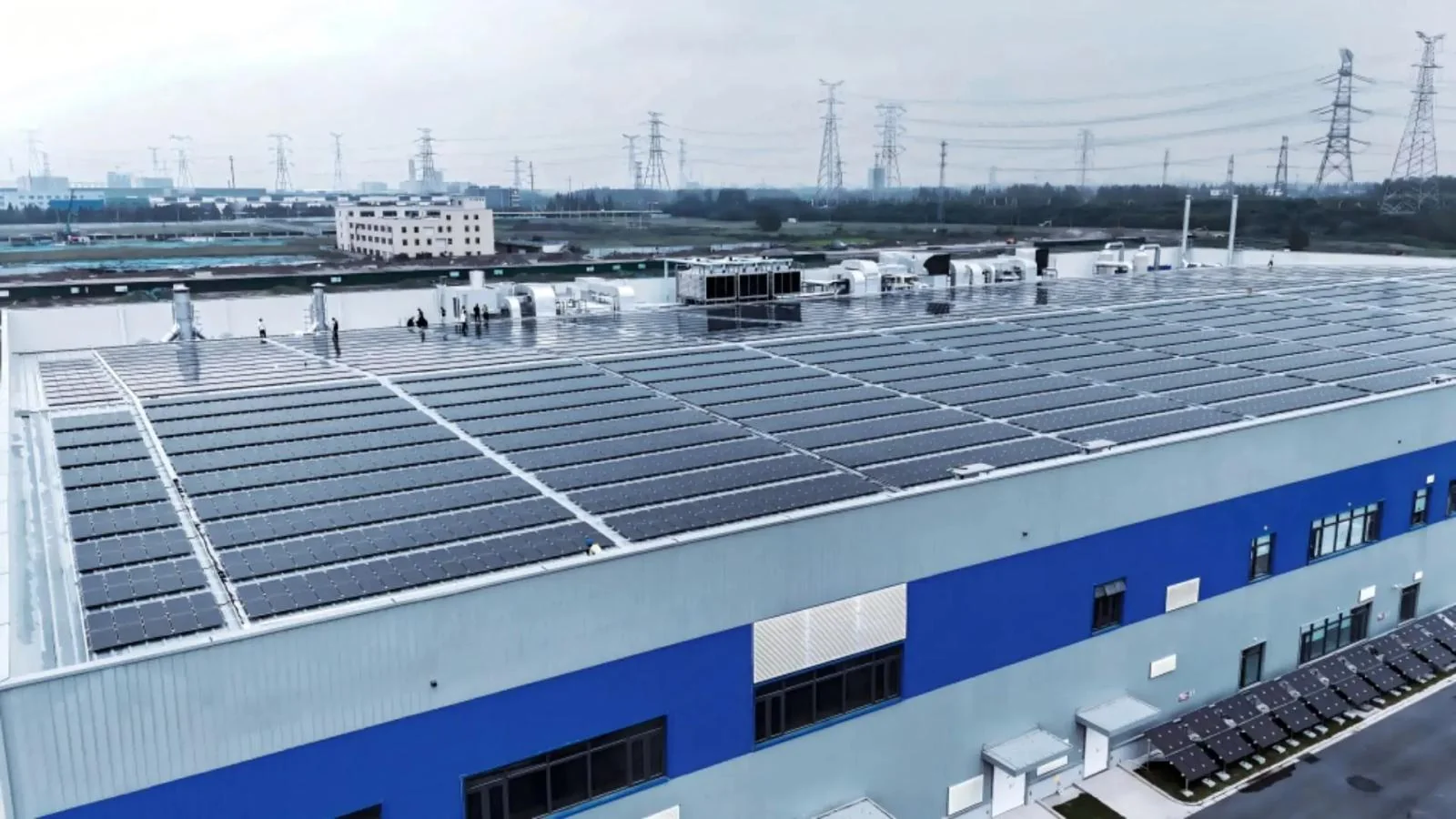
Scientists from Nanjing University, working with engineers from Renshine, have developed full-size perovskite solar panels that achieve significant results in both size and efficiency. According to ixbt.com, the development not only set record figures in laboratory tests but also outperformed conventional silicon modules in trials at a real solar power plant. Ixbt.com reports .
Experts note that the key achievement is the transition from small laboratory samples to full-size panels with an area of 0,72 square meters. Under standard conditions, such a panel delivers a stable 158,4 W of power and demonstrates a certified efficiency of 22 percent across its entire surface. This is an absolute record for meter-scale perovskite modules.
Tests at a Real Power Plant
Because laboratory figures alone are not sufficient, the researchers tested the new technology under real-world conditions. A 1 MW perovskite system was installed next to a 3,5 MW array of modern silicon panels, and their electricity generation was compared over three months.The results showed that in March, the perovskite modules generated an average of 3,42 percent more electricity per unit of installed capacity. In April, this advantage reached 3,79 percent, and in May it rose to 5,81 percent. The growing difference as spring temperatures increased confirms that perovskite panels are more efficient in hot weather.
Manufacturing Challenges and a New Solution
For a long time, scaling up was the main challenge for perovskite cells. When materials that delivered high performance over small areas were expanded, they lost power because of microdefects and flaws in the crystal structure. Ammonium halide salts are typically used to eliminate such defects, but this method creates difficulties at industrial scale.Chinese researchers proposed a different chemical process based on a mixture of three solvents. By controlling film drying in a vacuum chamber, a protective layer of formamidinium iodide is formed on the surface and additionally treated with lead carboxylate salts. This method distributes the coating evenly across the entire panel and fills defects at the atomic level.
To improve durability, the panels underwent an accelerated test for 1300 hours at a temperature of 85 degrees and humidity of 85 percent. Modules treated with conventional ammonium lost 39 percent of their power, while panels treated with lead carboxylates lost only 2 percent.


Comments 0
…