


Perovskite solar cells reach 30 percent efficiency for the first time
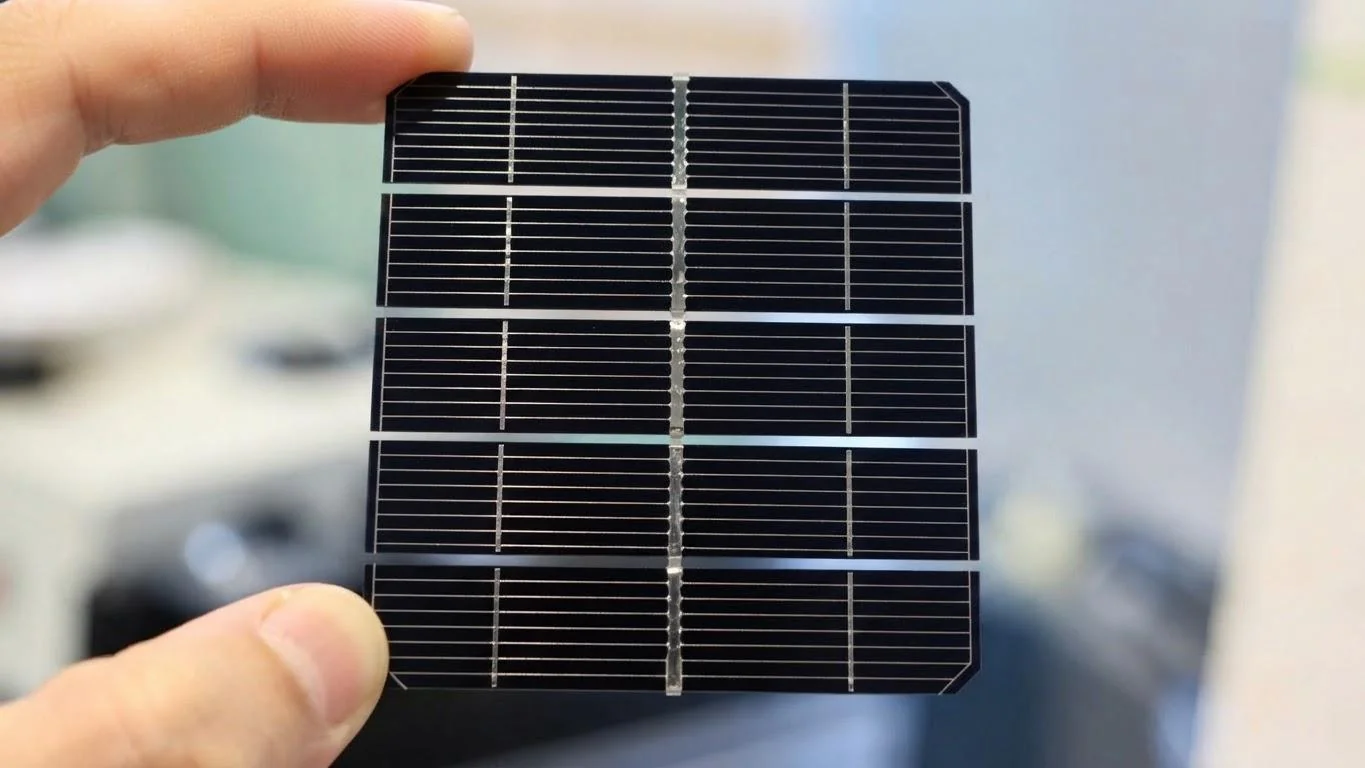
Chinese researchers have created a triple-junction perovskite solar cell that has surpassed the critical 30 percent efficiency threshold for the first time, moving away from traditional silicon technology. According to ixbt.com, the 30.1 percent efficiency achieved by a research team led by scientists at Nanjing University is an absolute record for this type of device. This is reported by news source.
Unlike currently widely used silicon-based solar cells, the new development consists of three separate perovskite layers. Each of them absorbs a specific part of the solar spectrum, allowing for more efficient energy utilization. However, creating such a multi-layer structure involved several technical challenges, including defects caused by high bromine content.
Ways to overcome technological barriers
The main problem was related to uneven drying and crystallization during the production of the top layer. As a result, cracks and other defects appeared on the surface, reducing the overall efficiency of the device. Chinese scientists solved this problem by treating it with a special solvent and adding a small amount of oleylammonium chloride to the composition.This method helped to smooth the film and ensure uniform crystal formation. As a result, energy losses were significantly reduced, and the voltage of the top layer reached 1.46 V. The three layers cover different parts of the solar spectrum, including the near-infrared range.
Future prospects and applications
According to the research results, while the announced efficiency (KPI) of the entire structure was 30.1 percent, independent certification showed 29.3 percent. The development also showed good results in terms of stability: after 569 hours of continuous operation under a solar simulator, the element retained more than 90 percent of its initial efficiency.In the future, researchers plan to further increase the device's efficiency, scale up its size, and test it in environments close to space conditions—under the influence of radiation, ultraviolet rays, vacuum, and temperature fluctuations. Since perovskite elements do not require heavy silicon wafers, they could eventually be used to create lightweight and flexible solar modules for buildings, wearable electronics, and spacecraft.


Comments 0
…