


NASA begins a new stage in space exploration
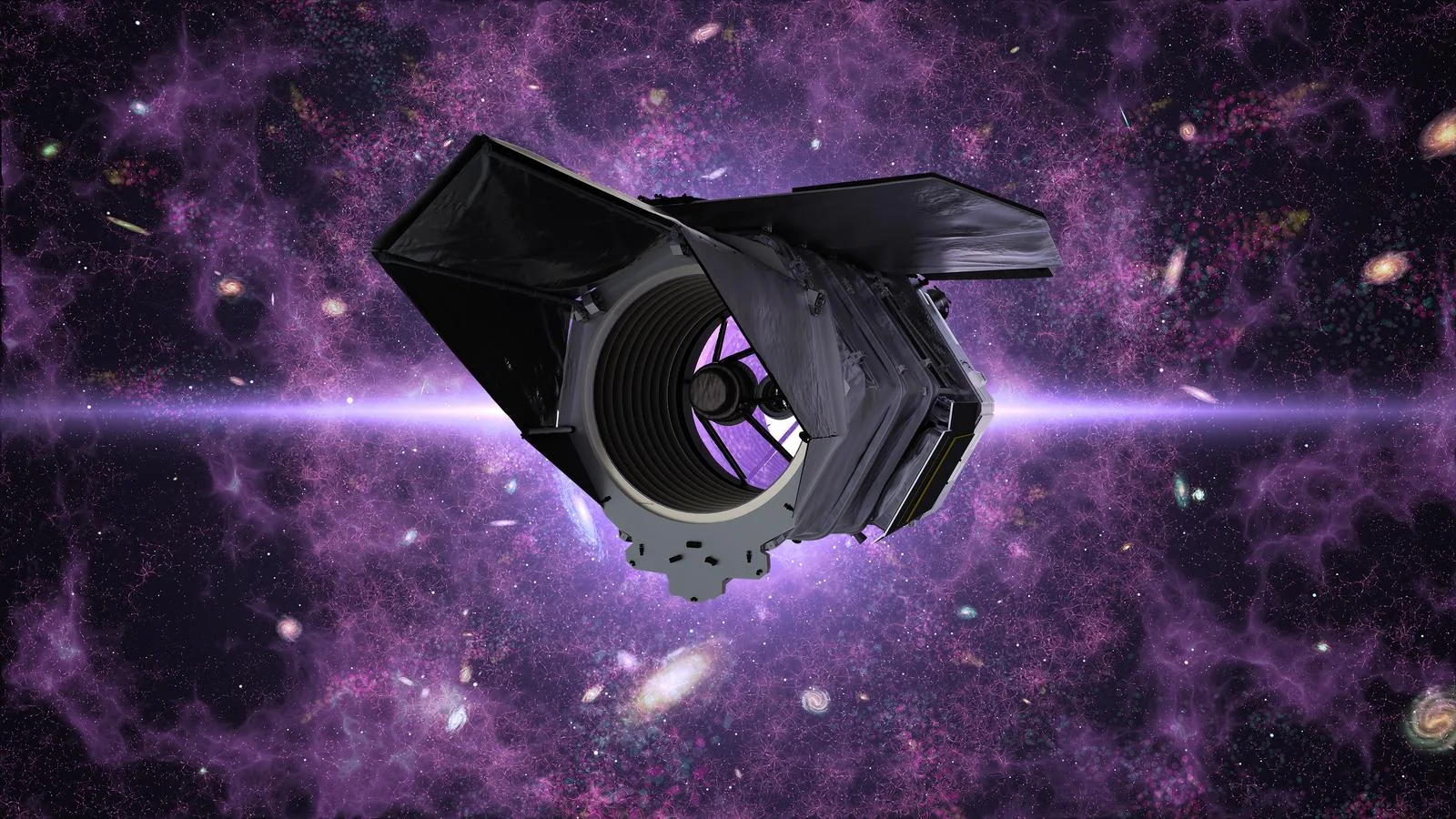
NASA is preparing to carry out one of the largest sky surveys in human history. The agency's new space telescope, named Nancy Grace Roman, is designed to take a giant leap in studying the secrets of the universe, including more than two billion galaxies. This massive scientific project is expected to be a turning point in understanding the expansion of the universe, the nature of dark energy, and stellar evolution. This is reported by Ixbt.com reports.
According to TASS, project scientist Julie McEnery emphasized that the main advantage of the new observatory is its wide field of view. This telescope is capable of capturing a portion of the sky approximately 100 times larger than the Hubble telescope at any given moment. This will dramatically increase the speed of astronomical observations.
The speed of space exploration will increase dramatically
The telescope's high-speed operation will open the way for large-scale studies to be completed more than a thousand times faster. Experts compare that a study that would take nearly a hundred years for the Hubble telescope can be completed by Nancy Grace Roman in just one month. Also, within this short period, the instrument's survey of the Milky Way could record up to 20 billion stars.According to NASA's estimates, this dataset is expected to become the largest catalog of astronomical objects in history. The volume of data obtained will be correspondingly enormous; displaying the largest full-resolution image would require more than half a million 4K television screens.
Scientific tasks and future research
One of the observatory's primary scientific missions is to study the history of the universe's expansion and the formation of its large-scale structures. Observing billions of galaxies will allow scientists to investigate the distribution of matter and the mysterious nature of dark energy more precisely.It is worth noting that this modern observatory is named after the prominent American astronomer Nancy Grace Roman, who played an incomparable role in creating NASA's space astronomy program. There is confidence that the new spacecraft bearing her name will find answers to many puzzles facing modern science.


Comments 0
…