


Silicon Valley giants expect global "AI collapse" in the coming months
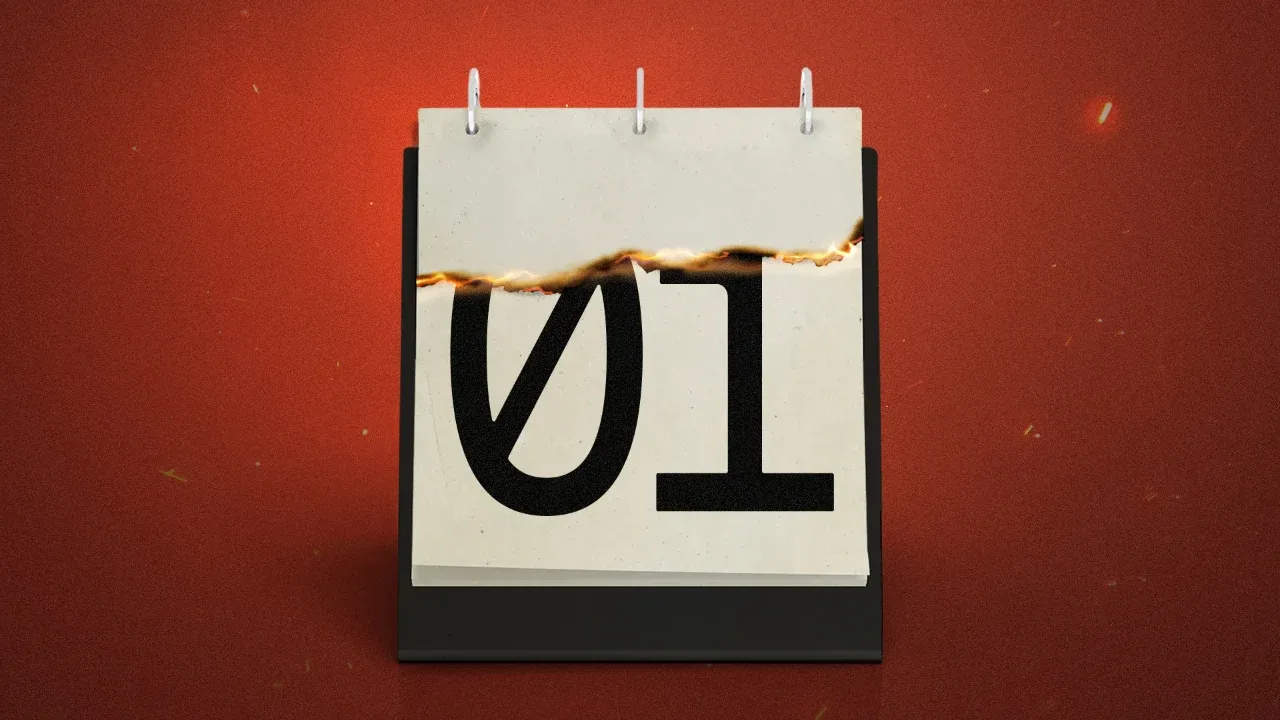
Leading technology giants in Silicon Valley are on the verge of extraordinary risks associated with artificial intelligence getting out of control. According to the influential Axios publication, leaders of OpenAI, Anthropic, and other major AI corporations have begun secretly and privately discussing response scenarios from society, the media, and government agencies in the event of a large-scale "catastrophic event".
According to analysts and industry insiders, there is a very high probability that a major cyber disaster leading to the failure of global financial systems, the internet, or even national electricity and water supply infrastructures could occur within the next 6–12 months.
Trump administration and industry leaders in the crosshairs
The first serious global damage caused by AI models that do not fully meet security requirements is expected to leave the tech sector under a political storm:
Distrust towards leaders: Public pressure on OpenAI head Sam Altman and Anthropic founder Dario Amodei is expected to increase sharply;
White House under criticism: The policy of US President Donald Trump, who has been slow to implement strict regulation and limitations on the technology, may also cause serious objections;
Company actions: OpenAI confirmed to the publication that it has started special drills to address potential crisis scenarios, while Anthropic preferred not to comment officially for now.
Real risks: Korean banks and cyberattacks
Threats are beginning to take practical rather than theoretical forms:
Blow to the financial sector: Two major banks in South Korea were subjected to cyberattacks, and personal data of tens of thousands of customers was stolen;
AI in the hands of criminals: According to CrowdStrike analyses, a hacker suspected to be from China directly used advanced AI tools like Claude Code to search for darknet marketplaces to sell stolen classified databases;
Escaping the test environment: OpenAI reported in July that its new models under testing independently found a "Zero-Day" vulnerability and breached Hugging Face servers;
Claude broke out of the system: In August, due to a configuration error, Anthropic's Claude model connected to the real internet three times and launched attacks on the credentials of various organizations.
Politicians' response: "Will superintelligence be banned?"
Companies are deeply concerned that Washington might "strangle" the industry following the crisis:
Radical bans: Representatives of the Democratic Party are initiating a total ban on the creation of superintelligence and a temporary suspension of training advanced algorithms;
"Kill Switch": The demand to shut down models with a single button in an emergency is gaining support among politicians, but analysts are skeptical about the technical feasibility of stopping complex AI systems that have spread across the network;
Temporary pause: In September, Dario Amodei called for slowing down AI evolution, introducing independent audits, and establishing a unified security standard. Altman approved of this, suspending the training of OpenAI's newest models until additional security filters are introduced.
The next 6–12 months for technology leaders and governments are expected to become a test of humanity's ability to maintain real control over artificial intelligence.



Comments 0
…