


Major Change in Schools: All Textbooks to Be Transferred to the New Alphabet by 2031
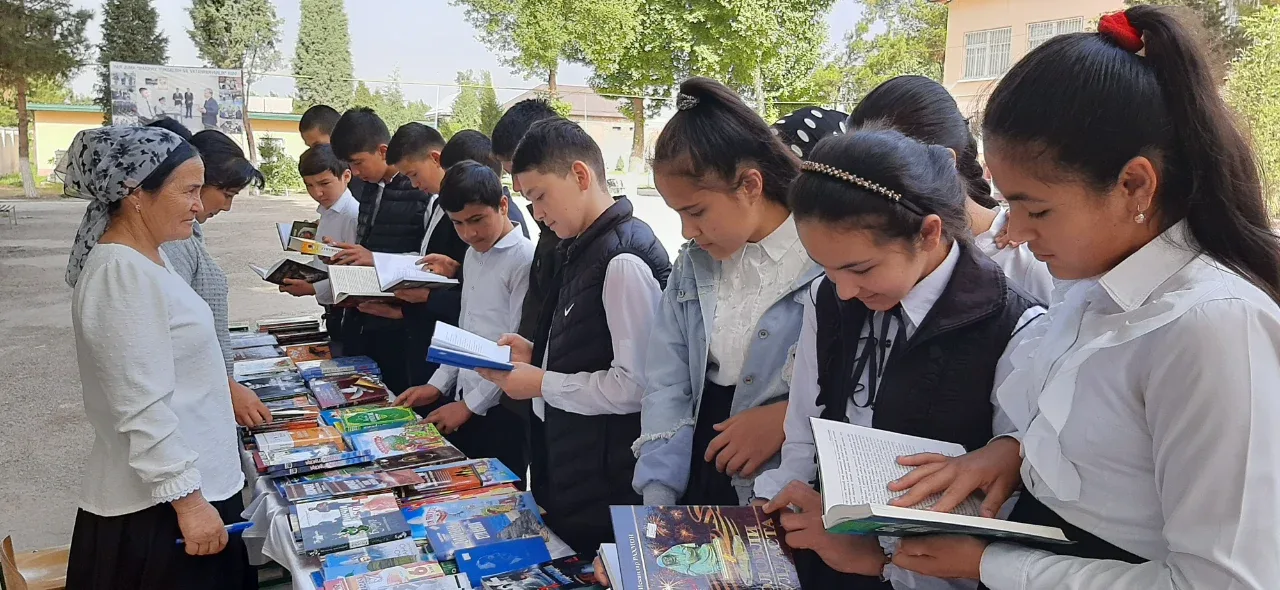
A long-awaited and highly anticipated historical reform in Uzbekistan's national education system is being put into practice. Clear plans and deadlines have been established for the complete transition of educational textbooks in all secondary schools of the country to the updated Uzbek Latin alphabet. According to the approved program, the process of adapting school curricula to the new graphics will not happen all at once, but based on a phased system that does not create excessive stress for children and teachers. Most notably, this unprecedented educational modernization will not require any additional expenses from the state budget. So, when will 1st-grade students get books in the new alphabet, how will high school textbooks be updated, and why will this process continue until 2031? At the end of the article, we will provide you with all the details regarding the financial secret of this systematic transition and its impact on the future of national education.
Starting from 2027: A phased update beginning with 1st grades
The procedure for republishing textbooks in educational institutions and adapting them to the new alphabet has been clearly defined:
1st grades from 2027: The first textbooks published on the basis of the updated alphabet will be presented to first-grade students starting from the 2027/2028 academic year;
High grades will transition in stages: Books for students from the 2nd to the 11th grade will be updated sequentially according to the current periodicity of republishing textbooks in the school system;
Year 2031 — full completion: This continuous process, which begins in 2027, will be 100% completed nationwide by 2031, and all school textbooks will be fully transferred to the new alphabet.
"The transfer of school textbooks to the new alphabet will take place on a planned basis, taking into account the students' absorption capacity and the natural replacement periods of the books," the analysis of educational standards notes.
No burden on the budget: How does the financial mechanism work?
A rational solution has been chosen regarding the financial issue that has interested many parents and the public:
Regular publication cycle: In Uzbekistan, school textbooks are updated and republished within established deadlines (usually every few years);
A process without additional expenses: Since the transition to the new alphabet will be carried out within the framework of this very planned republishing cycle, no additional funds will be required from the state treasury or parents;
Economic and practical convenience: This method guarantees the efficient spending of funds, and worn-out books are naturally replaced by modern publications in the new alphabet.
National script unity and prospects for literacy
This decision is the biggest step towards eliminating the confusion in writing, the inconvenience of letters, and the graphic gap between generations that has been observed in Uzbekistan for years. The new generation stepping into the first grade starting in 2027 will become literate in an improved and convenient alphabet from the very first days of their education. Setting a five-year phased period (2027–2031) gives enough time not only to publishing houses and the printing system, but also to educators and specialists to fully adapt the methodology. As a result, by 2031, the country's educational system will have a fully unified and solid Latin writing standard.
In your opinion, how will the phased transition of school textbooks to the new alphabet by 2031 affect our children's literacy and reading speed? Should this process be accelerated, or is the five-year phased plan the right choice? Leave your feedback in the comments and share this important news with all parents and teachers whose children are studying at school!



Comments 0
…