


The Era of 10-Day Detention Has Ended: Constitutional Court Abolishes Old Border Regulations
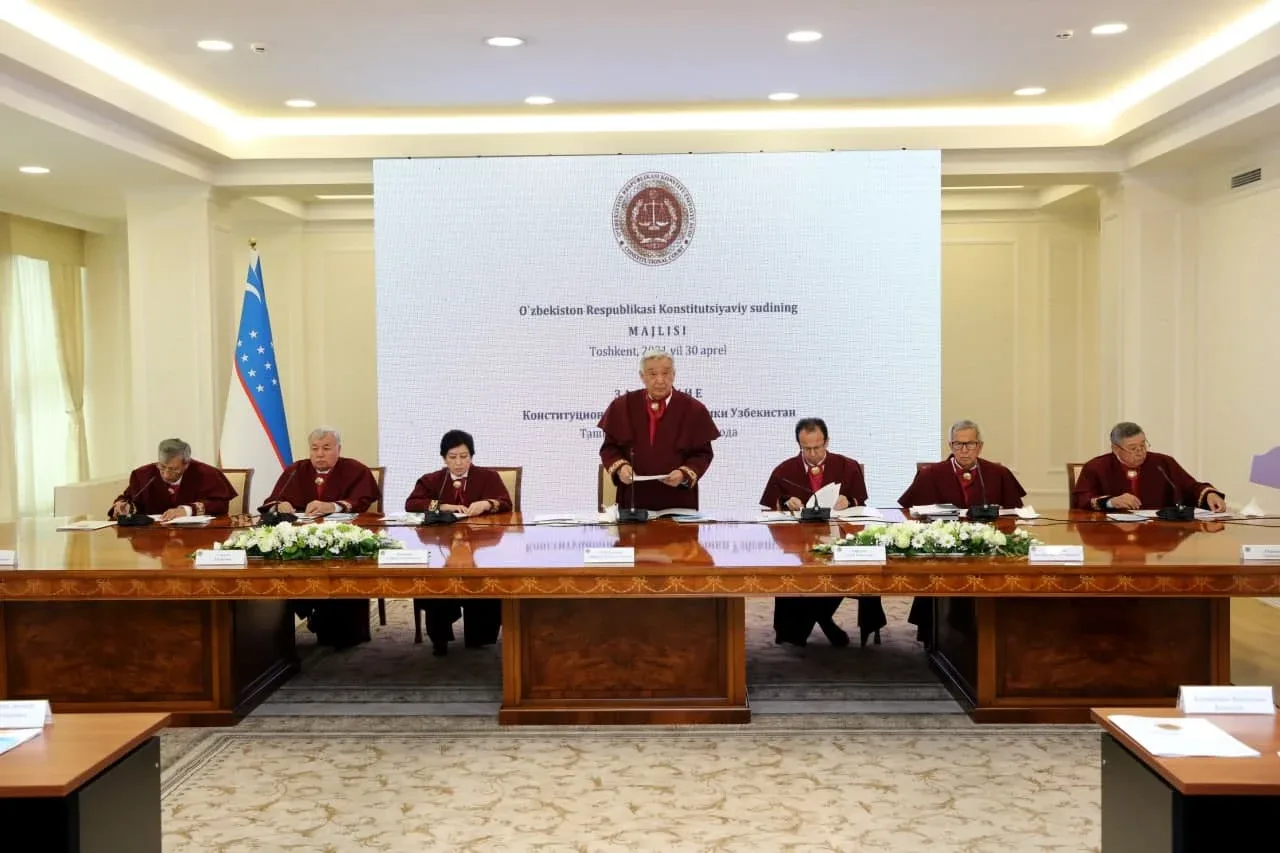
A historic decision strengthening the rights of citizens to freedom and personal inviolability has been adopted within the judicial and legal system of the Republic of Uzbekistan. By Decision No. CC-8 of the Constitutional Court dated September 22, 2026, the second part of Article 288 of the Code of Administrative Responsibility was found to be contrary to the country's Basic Law. The Authorized Person of the Oliy Majlis for Human Rights (Ombudsman) had appealed this case, demanding to check the compliance of this norm with the third part of Article 27 of the newly revised Constitution (the "Habeas Corpus" principle).
According to the old norm, individuals violating border and checkpoint regulations could be held in custody for up to 3 hours to draw up a protocol, up to 3 days when necessary to identify their identity, and up to a full 10 days with a prosecutor's sanction if they lacked documents. By the decision of the Constitutional Court, the validity of all rules providing for the detention of a person for three and ten days without a court decision was immediately terminated. According to the legislation, the body that adopted the document was instructed to fully harmonize this article with the Constitution within a month.
"Ombudsman's demand, 10-day restriction, and 'Habeas Corpus'": 5 Key Points of the Court Decision
The most important official facts regarding Decision No. CC-8 of the Constitutional Court:
3-day and 10-day detentions canceled: The rule of holding a person for up to 10 days without a court trial for verification and with a prosecutor's sanction was declared unconstitutional;
Victory of "Habeas Corpus": Based on Article 27 of the Constitution, the decision strictly prohibits holding a person for more than 48 hours without a court decision;
Ombudsman's constitutional initiative: The Human Rights Commissioner had applied to the court, arguing that the outdated code norm restricted human freedom;
3-hour limit retained: The initial rule regarding detention for up to 3 hours at the border to draw up a protocol remained in force;
One-month deadline: The legislative body must bring Article 288 of the Code into compliance with the Constitution no later than one month.
Legal Comparison: Comparison of the Old and New Status of Article 288 of the CAR
Changes in detention procedures for violating border regulations:
Criteria and Deadlines | Previous Existing Procedure (Canceled) | Status After the Constitutional Court Decision |
Protocol drafting period | Detention up to 3 hours | The 3-hour norm remains in effect |
Identification of person and circumstances | Up to 3 days with written notice to the prosecutor | Canceled (Detention for more than 48 hours without trial is prohibited) |
In the absence of documents | Up to 10 days with a prosecutor's sanction | Found unconstitutional and suspended |
Main restricting body | Authority of the prosecutor's office and border service | Court decision only (Article 27 of the Constitution takes precedence) |
Legal requirement and deadline | Restriction periods functioned for years | Obligation to legally renew the norm within 1 month |
Legal Expertise: Why Is This Decision a Revolutionary Step for Human Rights?
Conclusions of jurists, lawyers, and constitutional law experts:
"Detention without trial has been ended": The 10-day norm retained in the old Code of Administrative Responsibility violated a person's right to judicial protection; henceforth, no state body or prosecutor can hold a person in custody without trial for more than 48 hours;
Activation of the Ombudsman institution: The application of the Human Rights Commissioner to the Constitutional Court to abolish a norm that was convenient for law enforcement agencies created a huge precedent for the development of civil society;
Harmonizing legislation with the newly revised Constitution: This decision is an important political and legal signal paving the way for revising outdated norms in other codes that restrict human rights.
How much do you think the abolition of the procedure for detention up to 3 and 10 days at the border without a court decision ensures citizens' right to freedom? Personally, how would you assess this joint legal victory of the Constitutional Court and the Ombudsman? Leave your personal thoughts in the comments and share this important human rights analysis with all citizens!



Comments 0
…