


Trump threatens to destroy Iranian power plants and bridges
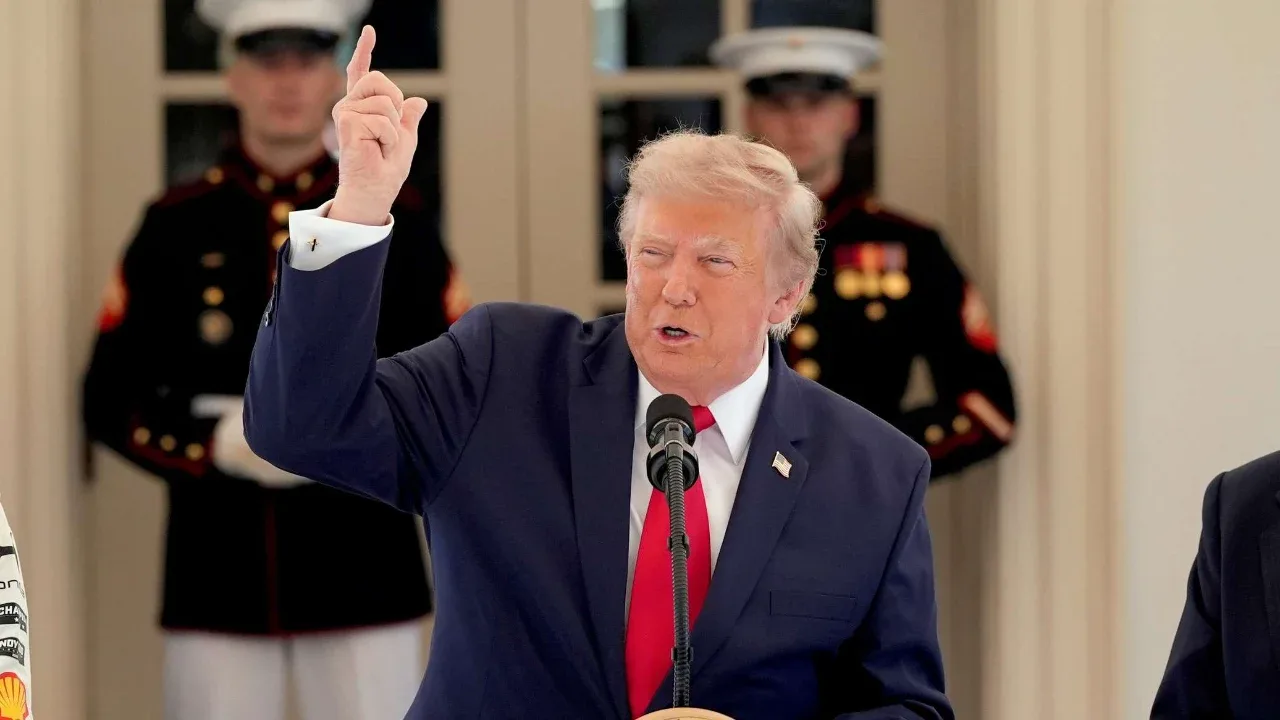
The military confrontation between the US and Iran has escalated to a new, highly dangerous stage. US President Donald Trump threatened to strike Iran's vital civilian infrastructure as early as next week if Tehran does not immediately return to the negotiating table.
This statement came against the backdrop of an intense exchange of strikes between the two countries, which has been ongoing for four days. Zamin.uz provides the latest and most alarming details of the situation.
“Next week will be very bad for them”
Donald Trump Fox News channel's Special Report with Bret Baier program, issued a very stern warning to Tehran in an interview. The US President announced that a final demand for a deal had been sent to the Iranian side.
“Next week will be really very bad for them. We will take out all their power plants. If they don’t sit down at the negotiating table and start a deal, we will destroy all their bridges. I will leave the energy facilities for last, but in the end, we will strike them too,” said Donald Trump.
However, this statement by the US leader is being met with concern by the international community. UN High Commissioner for Human Rights Volker Türk reminded that intentional attacks on objects vital to the civilian population according to the 1949 Geneva Convention are considered war crimes.
Four days of bloody exchange of strikes
The situation has already taken on the nature of a serious military conflict. Both sides are striking each other's strategic points:
US strikes: US Central Command (CENTCOM) struck dozens of Iranian targets near the Strait of Hormuz. As a result, at least 7 military personnel were killed at an Iranian military base in Bampur. Also, Bandar Abbas, Qeshm Island, Bandar Khomeini, and the site of Iran's only civilian nuclear power plant, Bushehr port came under bombardment.
Iran's response: The Islamic Revolutionary Guard Corps (IRGC) launched retaliatory missiles at US military bases in Jordan, Kuwait, and Bahrain. In particular, the US Fifth Fleet in Bahrain was shelled.
Local residents and foreign workers in the region are forced to live under constant air raid sirens and are deeply concerned about the uncertainty of the future.
War at sea: Attacks on ships and blockade
Military actions have dealt a very heavy blow to commercial shipping passing through the Strait of Hormuz. Iran admitted to firing missiles at tankers that had turned off their navigation systems and violated rules.
Losses at sea in recent days:
7 commercial ships: According to US data, Iran attacked them, killing and wounding dozens of sailors.
2 UAE tankers: An Indian sailor was killed as a result of Iranian cruise missile strikes.
GFS Galaxy (Cypriot cargo ship): 23 people were rescued as a result of emergency rescue operations, and one sailor died.
Norwegian tanker and Kuwaiti warship: Damaged by explosions of unknown devices and missile attacks.
Trump's blockade plan and rising oil prices
Economically, Trump initially wanted to impose a 20 percent tariff on all cargo passing through the Strait of Hormuz. But after numerous appeals from the leaders of the Persian Gulf states, he abandoned this idea and decided to conclude major investment deals with them.
However, the US announced a strict naval blockade against Iran. This ban came into effect at 01:00 Tashkent time on the night of July 15.
The Iranian side responded: “If the US thinks it can force us to negotiate through an economic siege, it is deeply mistaken”, they stated.
Currently, ship traffic through the Strait of Hormuz has fallen to its lowest level in the last two months, which has caused a sharp rise in Brent crude oil prices in the global market. The international community is watching with concern to ensure the situation does not escalate into a large-scale war.



Comments 0
…