


Decisive hours in the Middle East: Iran and the US may reach a truce through Qatar
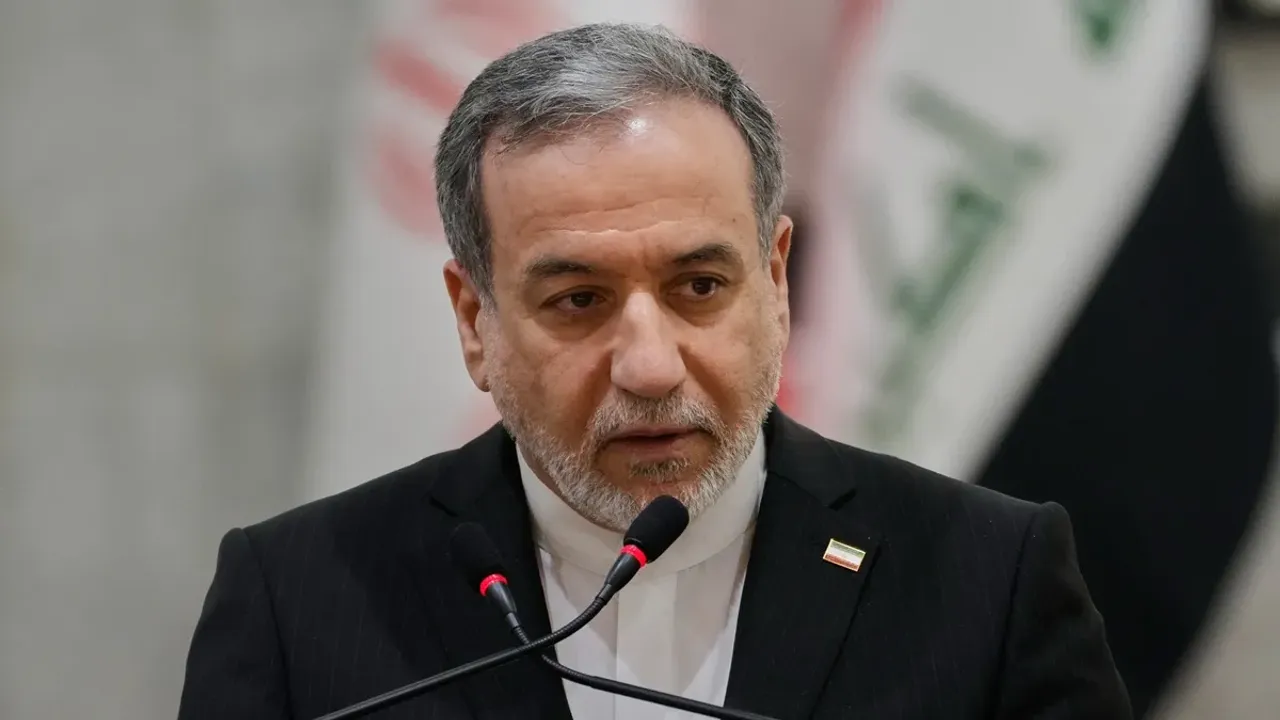
Long-awaited diplomatic negotiations to resolve the acute military-political crisis in the Middle East have entered a decisive phase. Iranian Foreign Minister Abbas Araghchi stated that Tehran has held detailed discussions with Qatari mediators on ways to resolve the regional conflict and meet Iran's conditions. According to Reuters, US and Iranian delegations held separate closed-door negotiations in Doha on Monday through mediating countries.
Iran's Press TV, citing Araghchi's statement, emphasized that official Washington's response is expected to be delivered to Tehran through Qatari mediators as early as tomorrow. As known, Iran had proposed a 7-day plan to open the Strait of Hormuz to shipping in exchange for lifting restrictions on oil exports and the naval blockade; although US President Donald Trump openly rejected this proposal, Tehran is awaiting the final official response. Meanwhile, free navigation through the Strait of Hormuz, the main artery of global trade, has completely stopped.
«Qatari mediation, the 7-day plan, and the Hormuz blockade»: 5 key points of the negotiations
The most important official evidence regarding the closed diplomatic contacts between Iran and the US:
Mediation through Qatar and tomorrow's response: Iranian Foreign Minister Abbas Araghchi stated that the official position of the US will be handed over tomorrow through Qatari diplomats;
«Negotiations in separate rooms»: According to Reuters, representatives of Washington and Tehran are communicating not at the same table, but through neutral intermediaries;
7-day plan to open the Strait of Hormuz: Iran has expressed readiness to open the vital strait within 7 days if restrictions on oil exports and the naval blockade are lifted;
Trump's rejection and the preservation of hope: Although Donald Trump stated he would not accept this proposal, Iran is awaiting a finalized official response from the mediators;
The strait remains closed, tension is high: Following the violation of the peace memorandum signed in June and the subsequent exchange of strikes between the parties, free commercial shipping in Hormuz remains completely paralyzed.
Classification of the Hormuz crisis and negotiations between Iran and the US
A table of the parties' demands, the roots of the conflict, and the current situation:
Analysis criteria and directions
Position of the Islamic Republic of Iran
Position of the United States of America
Main demands
Ending the naval blockade and lifting oil export restrictions
Halting attacks on commercial vessels and regional security
Proposed solution
A 7-day phased plan to open the Strait of Hormuz
Donald Trump rejected the initial plan as insufficient
Communication format
Indirect (behind closed doors) mediated by Qatar
Preparing an official response through Doha diplomats
Current practical situation
Free navigation of vessels through the Strait of Hormuz has been halted
Aircraft carrier strike group and military control reinforced across the Gulf
Prospects for the coming days
Receiving Washington's official decision tomorrow through Qatari diplomats
Continuing sanctions pressure or reaching a compromise
Geopolitics and military expertise: Why does the fate of the Strait of Hormuz worry the whole world?
Conclusions of international security experts, political scientists, and energy analysts:
«20 percent of the world's oil under siege»: A significant portion of our planet's seaborne oil exports is transported through the Strait of Hormuz; the halt in shipping leads to a spike in fuel prices on world markets, increased logistics costs, and a new wave of global inflation; therefore, this conflict is not just a regional, but a global economic threat;
«Qatari diplomacy and the search for compromise»: Despite Trump's harsh statements, the parallel consultations held by US and Iranian representatives in Doha show that both sides are avoiding a full-scale major military clash; the possibility remains that the 7-day plan could be slightly reworked and transformed into a temporary humanitarian-economic de-escalation;
The necessity to learn from June's mistakes: The fact that the memorandum concluded in the summer turned to ashes in just 3 weeks indicates deep distrust between the parties; unless the new agreement is implemented not only in words but under international guarantees and permanent monitoring by the UN or mediating countries, any accidental strike could ignite the fires of a new war.
Do you think Donald Trump and the US administration will accept Iran's proposal to open the Strait of Hormuz in exchange for lifting oil restrictions, or will sanctions pressure intensify further? How will the opening or closure of the strait affect the economies of Uzbekistan and our region? Leave your personal analysis and feedback in the comments and share this analysis of the hottest intrigue in global politics with everyone!



Comments 0
…