


“Gray” wheat scheme exposed in Kazakhstan: 11 bln tenge worth of grain illegally exported abroad
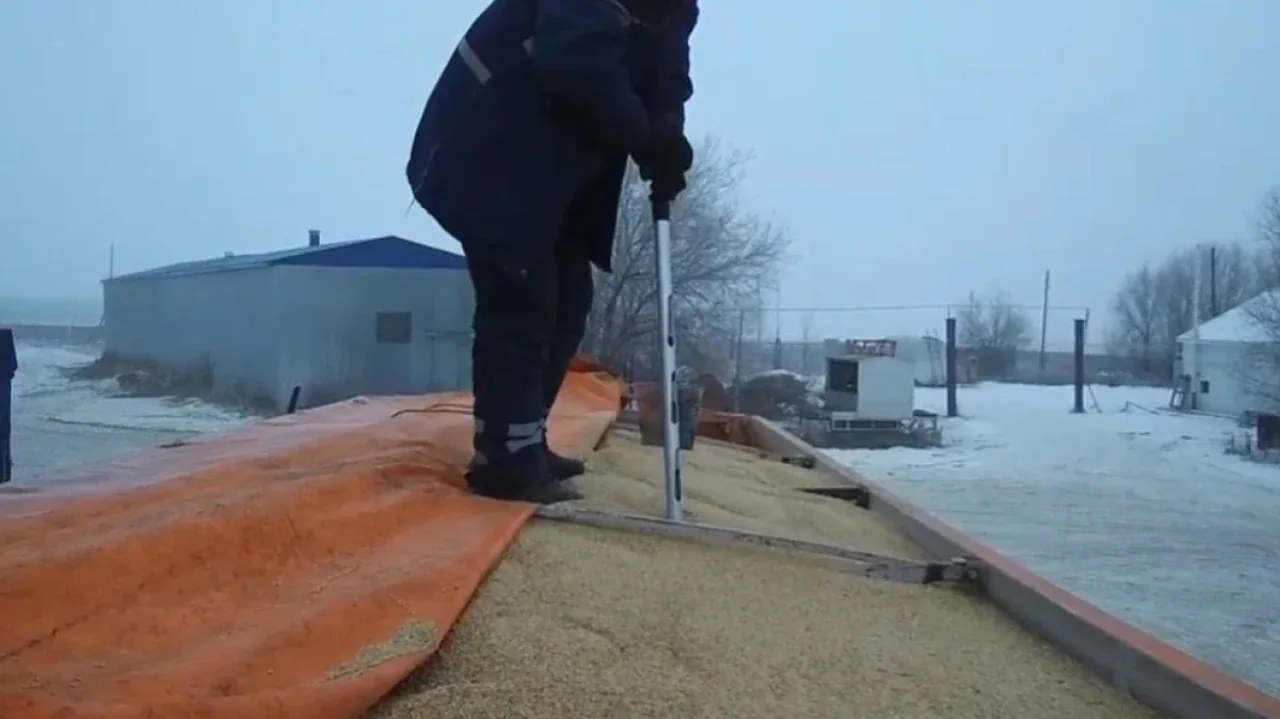
Financial monitoring and tax authorities of Kazakhstan have exposed a major “gray” scheme for re-exporting a huge volume of grain illegally imported from Russia, masking it as a “Kazakh product” destined for Uzbekistan and other countries of the region. According to investigation documents by the fiscal authorities of the West Kazakhstan Region, the criminal group illegally exported approximately 130 thousand tons of wheat through illegal logistics chains, with a total value exceeding 11.2 billion tenge.
The grain was mainly directed to the markets of Uzbekistan, Afghanistan, and Tajikistan. Through fake contracts concluded with shell companies and farms, transit fees were concealed, causing serious damage worth billions of tenge to the national company “Kazakhstan Temir Zholy” (“KTZ”) and the state budget. Currently, 5 individuals have been brought into the investigation as suspects in this major economic crime.
“130 thousand tons of grain, fake contracts, and 11 billion tenge”: 5 key facts
The most important facts regarding the exposure of grain smuggling and “gray” imports in Kazakhstan:
Scale of 130 thousand tons of contraband: A large volume of wheat imported from Russia's border regions was illegally transited through Kazakhstan;
Uzbekistan among the main destinations: Discounted and masked grain flows were exported to Uzbekistan, Afghanistan, and Tajikistan;
Total value of 11.2 billion tenge: The total amount of products sold under the guise of Kazakh wheat exceeded 11.2 billion tenge (over 2 billion rubles);
Billions in damage to the railways and the state: Due to unpaid transit tariffs, “KTZ” suffered losses of over 1 billion tenge, and the state incurred 1.2 billion tenge in tax damages;
5 organizers detained: 5 citizens who managed the scheme, opened fake enterprises, and attempted to declare artificial bankruptcy are under investigation.
Description of the illegal grain export scheme and damage to state interests
Analysis of fraud mechanisms, participating companies, and economic damage indicators:
Indicators and analysis criteria | Details of the “gray” scheme and fake mechanisms | Economic and financial consequences |
Original origin and disguise | Brought from Russian border regions and turned into “Kazakh wheat” using fake documents | Export benefits of Kazakhstan's national product were abused |
Total product volume and value | 130 thousand tons of wheat (total value 11.2 billion tenge) | Fair competition in the domestic and regional markets was disrupted |
Export destination countries | Uzbekistan, Afghanistan, Tajikistan (Central and South Asia) | An artificial influx of cheap imports was created in the region |
Fake companies used | LLP “Bakery Nan”, “KazGrano”, “Perfect Seed”, “Weizen”, “Golden Grain Kazakhstan” | Opened under the names of dummy persons and signed fake contracts |
Damage caused to “KTZ” railways | Preferential domestic tariffs were applied instead of international transit tariffs | Over 1 billion tenge in unpaid transit duties |
Damage caused to the state budget | Attempted intentional bankruptcy by transferring funds to other firms | 1.2 billion tenge in unpaid taxes and obligations |
Figures in the criminal case | Individuals acting as members of an organized group | 5 citizens officially recognized as suspects |
Economic and agricultural expertise: How does this scheme affect the Central Asian and Uzbek markets?
Conclusions of agricultural experts and economists:
“Risk of domestic prices and dumping”: Exporting Russia's cheap wheat through Kazakhstan as “Kazakh grain” without paying transit duties creates dumping (artificial price reduction) in the export market; on the one hand, this provided cheap raw material for flour-producing enterprises in Uzbekistan and the region, but on the other hand, it undermines the competitiveness of honest traders and local farmers;
“The trap of using railway privileges”: Transiting Russian cargo through the territory of Kazakhstan has a rather expensive tariff; fraudsters concluded fake contracts with Kazakh farmers to apply cheap domestic railway tariffs intended for national products—depriving the state budget of billions in revenue;
Tightening of border and fiscal control: The exposure of this scheme will now lead to a more meticulous inspection of certificates of origin (ST-1) and phytosanitary documents for grain and flour products at the border of Kazakhstan and Uzbekistan; which is likely to cause additional checks and logistical queues at the border for legal transporters.
In your opinion, was the passage of such huge volumes of “gray” wheat flows across borders caused by the ingenuity of shell companies or systematic gaps in control bodies? Will tighter controls in Kazakhstan affect the price of flour and bread products in Uzbekistan? Leave your personal thoughts in the comments and share this important analysis directly relevant to the regional economy with everyone!



Comments 0
…