


Gas prices in Europe reach highest peak in four years
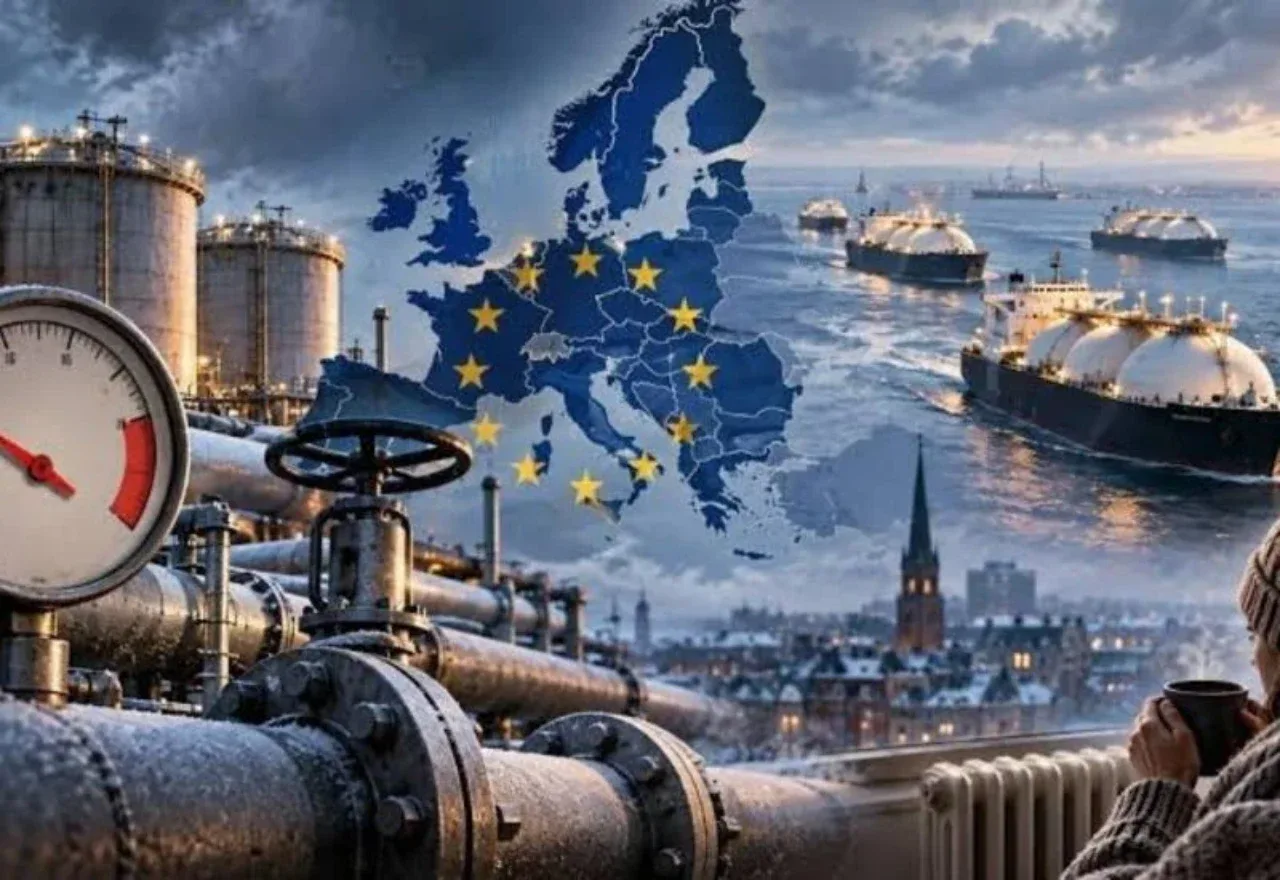
Natural gas prices within the European Union have risen to their highest level in four years. On the Netherlands' benchmark TTF exchange, futures contract prices for the next month grew by another 2 percent, reaching up to 86.79 euros during trading.
Citing research from the major Dutch bank ING, European media report that international markets are being forced to spend a large part of the upcoming severe winter under conditions of limited supplies of liquefied natural gas (LNG) from the Persian Gulf.
Why are prices surging?
Among the main factors shaking up the European energy market are the following:
Disruption in the Strait of Hormuz: Having abandoned Russian pipeline gas, the European Union had become dependent on US and Middle East liquefied natural gas (LNG). However, due to the war between the US and Israel with Iran, vessel traffic through the Strait of Hormuz—through which about 20 percent of the world's LNG exports pass—has practically come to a halt;
Competition with Asia for LNG: According to Dominik Rusinko, chief economist at Patria Finance, Europe is engaged in fierce competition with Asian markets for every single gas tanker in an effort to fill its storage facilities at the last minute;
Threat of severe cold: Martin Patsowski, director of the Arete Energy investment fund, warned that if long and severe frosts hit countries like Germany and the Czech Republic simultaneously, gas prices could spike by dozens of percent again, with high prices once more serving as the main weapon in this struggle.
Storage reserves: A 15-year anti-record
Data published by Gas Infrastructure Europe as of October 11 paints an alarming picture:
Europe-wide: EU underground gas storage facilities are filled to just under 74 percent capacity. Meanwhile, the long-term average is nearly 90 percent. The current situation is the lowest reading in the past 15 years;
Severe situation in Germany: In Germany, considered the continent's largest gas consumer, storage facilities are filled to only 60 percent, while in the Czech Republic this figure stands at nearly 76 percent.
How Europe will get through the winter: Expert forecasts
Despite the severe market tension, economists predict that the continent may get through the winter without completely freezing:
Remaining reserves in March: According to Patria Finance models, depending on the intensity of gas consumption, between 12 percent and 39 percent of reserves are expected to remain in European storage facilities by the end of March;
Will the energy crisis repeat? According to experts, even in the worst-case scenario, a complete physical absence of gas is not expected to be observed. The risk of a repeat of the unprecedented 2021–2022 crisis is assessed as low, but the situation is not entirely safe;
Decisive factor: The situation could become extremely acute only if an unusually severe winter and major disruptions in LNG supply chains coincide.
As the heating season in Europe is just beginning, instability in global politics and supply chains signals that electricity and heating costs will rise again for the inhabitants and industry of the Old Continent.



Comments 0
…